

As the Russian invasion of Ukraine continues to impact crucial food exports, wheat prices are soaring. Many African countries rely on Ukrainian and Russian grain exports and could face a severe food crisis. But in Cameroon, entrepreneurs are coming up with alternatives to wheat, which is used to make flour. Production of bread and cakes made from local cassava and sweet potato flour is now booming. These tubers are abundant in the country but are normally used unprocessed in traditional dishes. Our correspondents report.
Tag Archives: Business

Zero Waste: Trash Turned Into Cash (The Economist)
The world is facing a growing waste problem, with 2bn tonnes produced last year alone. Is it possible to clean up this mess by turning trash into cash? 00:00 – The world has a huge waste problem.
Video timeline: 00:45 – Upcycling to reduce waste 02:46 – Building offices from recycled products 03:46 – The problem with traditional recycling 04:59 – Waste reduction relies on a circular economy 05:38 – Taiwan’s waste management success 08:20 – The problem with incineration 09:55 – Is the future zero waste? 10:43 – Consumption attitudes are changing Read our special report on waste here https://econ.st/3JrlD6y

Greece Views: Extra-Virgin Olive Oil, Made In Messinia
The Messinia in the Peloponnese, Greece, produces what is considered the finest olive oil in the world. It’s made from the Koroneiki olive, a small but rich and aromatic olive. Together with a cold extraction and a slow fermentation process, Koroneiki olive oil tastes like no other — a true nectar of the gods. We follow olive-oil taster Dimitra Mathiopoulou at her family’s olive groves and mill to find out how Koroneiki olive oil is harvested and extracted.
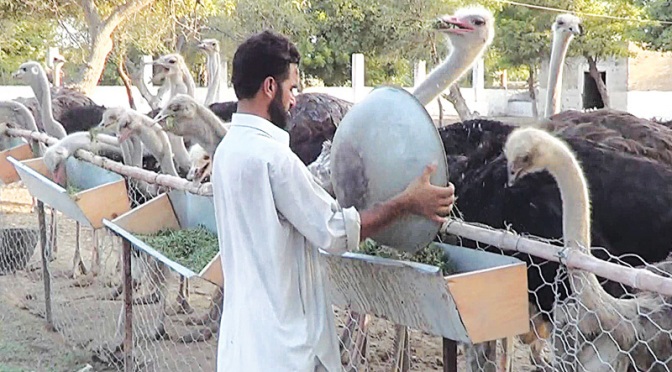
Business Views: Ostrich Farming In Pakistan
Ostrich meat may seem foreign to American taste buds, but it’s a common delicacy in parts of Africa, Australia, and the United Arab Emirates.
Now, Pakistan is trying to break into the market — but the industry is experiencing setbacks just as it was taking off, leaving a small group of farmers to keep it alive.
In 2016, the Pakistani government began a project to kick-start the ostrich industry there, offering subsidies to ostrich farmers. Soon, the number of ostrich farms in the country rose from about 60 to 400. Some observers called the industry a “gold mine.”
But in 2018, the subsidy program expired when the government declined to renew it.
Many of those farmers haven’t been able to pay off their initial investments.
“This business is more profitable than other livestock, but the farmer needs a lot of patience,” Raja Tahir Latif, an ostrich farmer who consulted on the government program, said.
Cover Preview: Barron’s Magazine – March 7

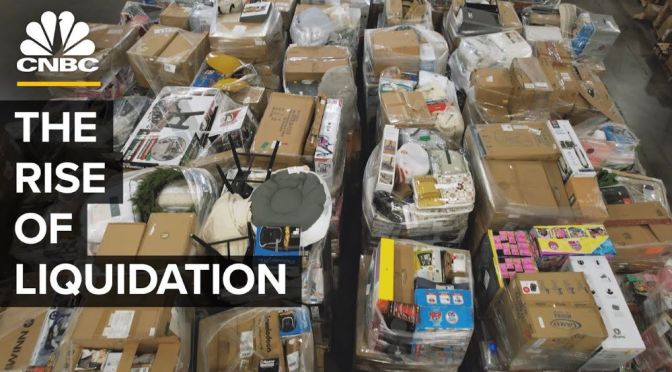
Retail: Rise Of Unwanted Goods Liquidation (CNBC)
A record number of online returns has created a booming $644 billion liquidation market. As supply chain backlogs cause shortages of new goods and Gen Z shoppers demand more sustainable retail options, pain points for one sector of retail are big business for another. The nation’s only major public liquidator, Liquidity Services, resells unclaimed mail, items left at TSA checkpoints, and outdated military vehicles. It also refurbishes highly sought after electronics, from noise-canceling headphones to the machines that make microchips.
CNBC takes you on an exclusive tour inside a Liquidity Services returns warehouse outside Dallas, Texas, where unwanted goods from Amazon and Target are stacked to the ceiling before being resold on Liquidation.com or a variety of other marketplaces. Inside Liquidity Services’ 130,000-square-foot warehouse in Garland, Texas, the aisles aren’t lined with typical merchandise. Instead, they’re stacked with returns from Amazon, Target, Sony, Home Depot, Wayfair and more, all in the process of being liquidated.
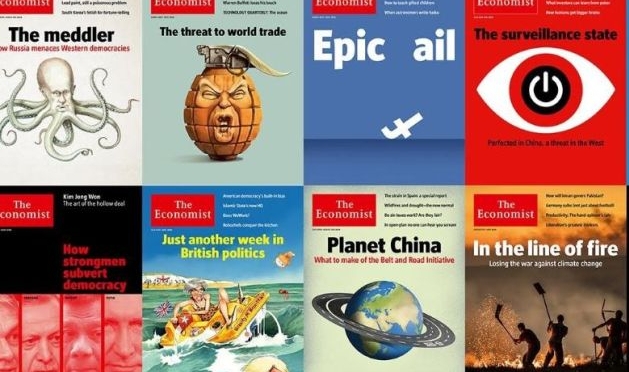
Preview: The Economist Magazine – February 12
Cover Previews: Barron’s Magazine – February 7
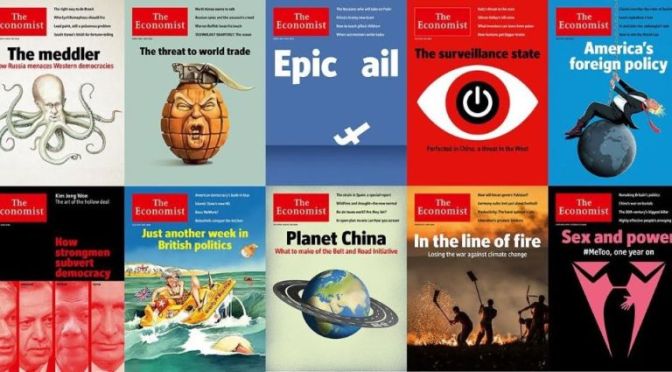
Preview: The Economist Magazine – February 5
Consumers: What Is The True Price Of Food? (FT)
Food prices might be rising but many associated production costs are not currently included in the price we pay. How can we get closer to a system that reflects the true cost and what implication will this have on consumers and wider society?
 Boomers Daily