
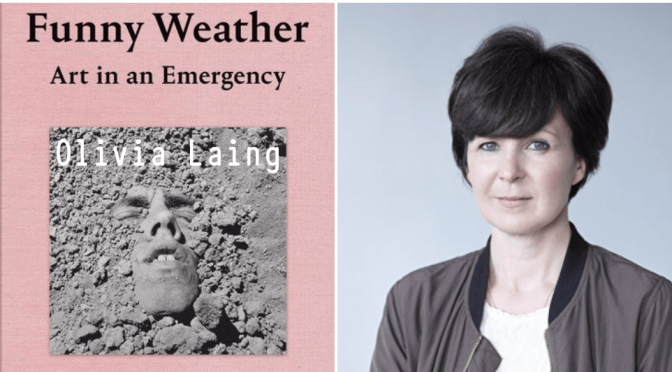
 Novelist and art writer Olivia Laing tells Robert Bound about ‘Funny Weather: Art in an Emergency’, her new collection of essays, columns and character studies from the past decade.
Funny Weather brings together a career’s worth of Laing’s writing about art and culture, and their role in our political and emotional lives. She profiles Jean-Michel Basquiat and Georgia O’Keeffe, interviews Hilary Mantel and Ali Smith, writes love letters to David Bowie and Wolfgang Tillmans, and explores loneliness and technology, women and alcohol, sex and the body. With characteristic originality and compassion, Funny Weather celebrates art as an antidote to a terrifying political moment.
Olivia Laing is a widely acclaimed writer and critic. She’s a Fellow of the Royal Society of Literature and in 2018 was awarded the Windham-Campbell Prize for non-fiction. She’s the author of To the River, The Trip to Echo Spring and The Lonely City, which has been translated into 17 languages and sold over 100,000 copies worldwide.
Her latest book is Crudo, a real-time novel about the turbulent summer of 2017. It was a Sunday Times top ten bestseller and a New York Times notable book of 2018 and was shortlisted for the Goldsmiths Prize and the Gordon Burn Prize. In 2019 it won the 100th James Tait Black Memorial Prize.
Laing’s writing about art & culture appears in the Guardian, Financial Times and frieze, among many other publications.
Her collected essays, Funny Weather: Art in an Emergency, will be published on 16 April 2020. She’s currently working on Everybody, a book about bodies & freedom.
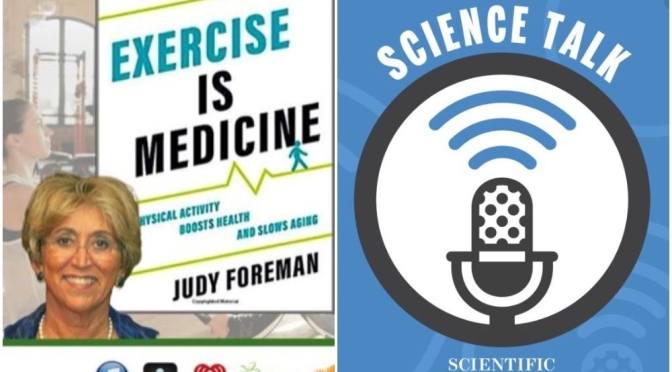
 Health journalist Judy Foreman talks about her new book Exercise Is Medicine: How Physical Activity Boosts Health and Slows Aging
 This is Scientific American’s Science Talk, posted on April 24th, 2020. I’m Steve Mirsky. And under our current, often locked-down situation, it’s still really important to try to get some exercise. Judy Foreman is the author of the new book Exercise is Medicine: How Physical Activity Boosts Health and Slows Aging. She’s a former nationally syndicated health columnist for the Boston Globe, LA times, Baltimore Sun and other places, and an author for the Oxford University Press.
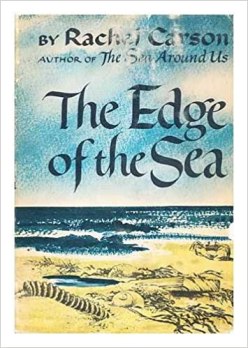
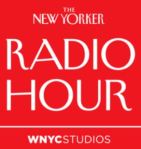 Before she published “Silent Spring,” one of the most influential books of the last century, Rachel Carson was a young aspiring poet and then a graduate student in marine biology. Although she couldn’t swim and disliked boats, Carson fell in love with the ocean. Her early books—including “
 Jill Lepore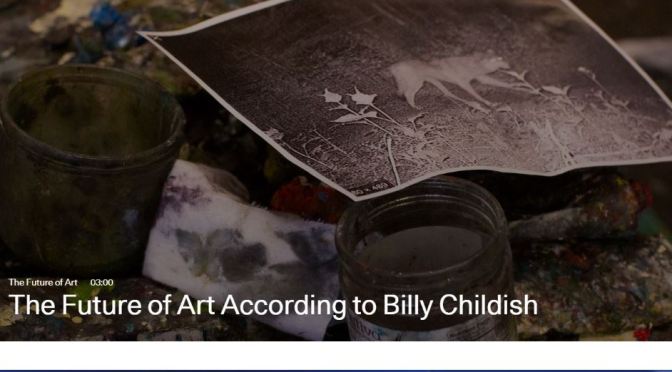
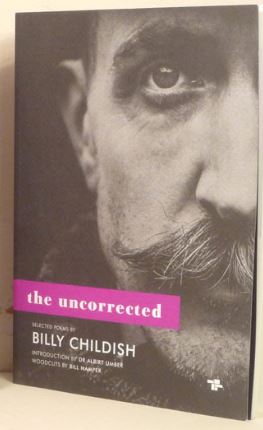 “The art world is the same as the rest of the world,” says British artist, writer, and punk-rocker Billy Childish. “What it requires is new, more, and now.” Childish has worked defiantly and prolifically outside of the mainstream since his expulsion from art school in the early 1980s. To the polymath—whose paintings, poems, novels, and music draw heavily from his autobiography—art is a deeply personal experience that should not rely on external validation, whether from critics or audiences. From his painting studio located on a historic dockyard in Kent, United Kingdom, Childish speaks passionately about the freedom that comes with self-validation. When asked about his perspective on the future of art, he demurs. “People think we’re continually ascending a mountain to success or to enlightenment,” he says. “It’s here and now and this is it.”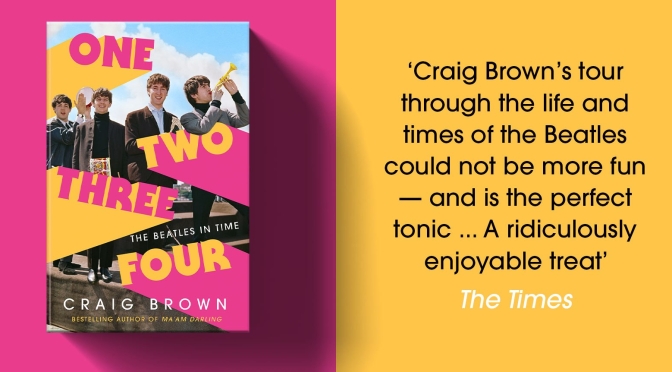
 Robert Bound speaks to writer Craig Brown about his new biography of the Beatles, called ‘One Two Three Four: The Beatles in Time’. How do you say something fresh about one of the most written-about bands in history?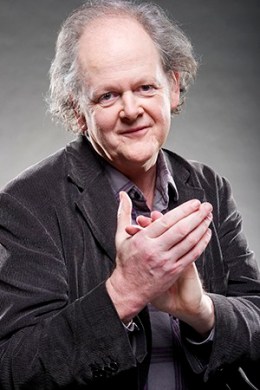
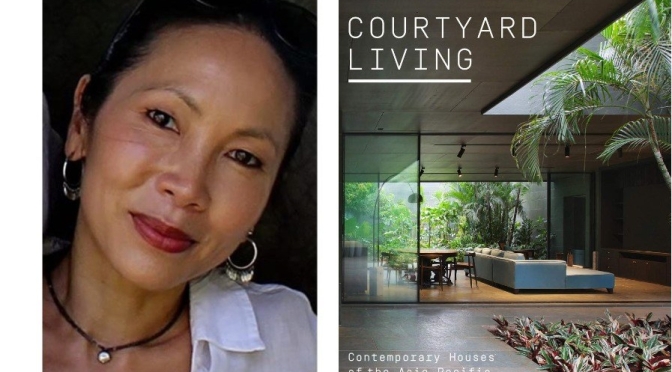
 Charmaine Chan, design editor for ‘South China Morning Post’ believes that courtyards offer an excellent urban solution to domestic solitude. She explains how they can be hubs of community and calm.
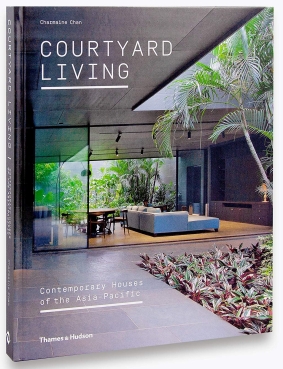 Courtyards have long played an important function in residential design, regulating light, shade, and the use of space. With thousands of years of tradition as inspiration, contemporary architects are now realizing courtyard living afresh. This lavish survey of twenty-five residences across the Asia-Pacific region features homes from Australia, Taiwan, Malaysia, Indonesia, Thailand, the Philippines, Singapore, India, Vietnam, and Sri Lanka.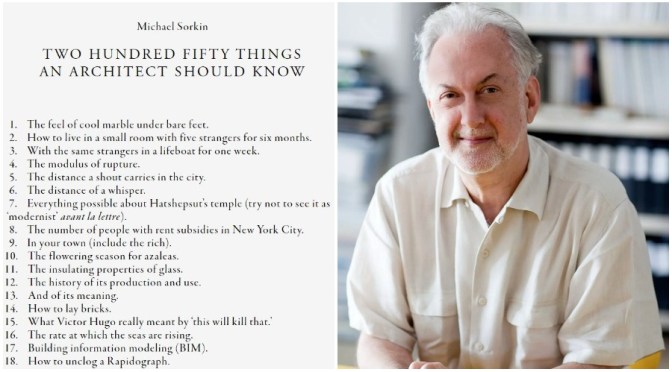
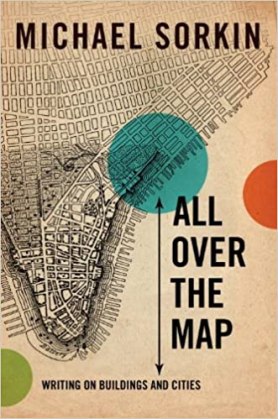 Ultimately he was a humane critic of the contemporary city, a serious, funny and poetic voice defending the powerless against big capital and an articulator of how architecture should be used as a tool of resistance. He is indelibly associated with New York, a city he loved with a fervour despite its faults, and of which he defended every inch as a public good. Number 210 in his list was the medieval German phrase ‘Stadtluft macht frei’ – ‘city air makes you free’. He will survive through his magical writing, which makes us all a little freer.
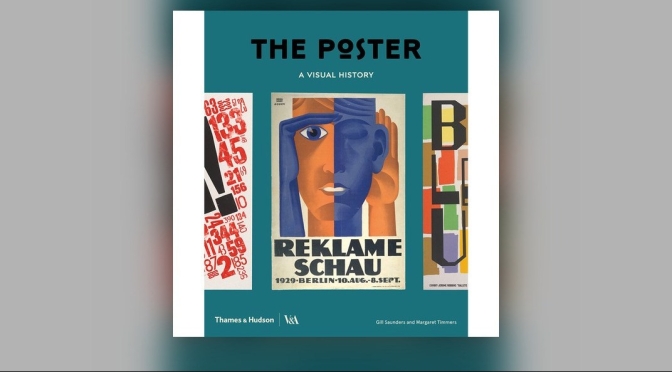
 Monocle 24 speaks with Gill Saunders and Margaret Timmers about their upcoming book ‘The Poster’ from Thames & Hudson in partnership with the V&A.
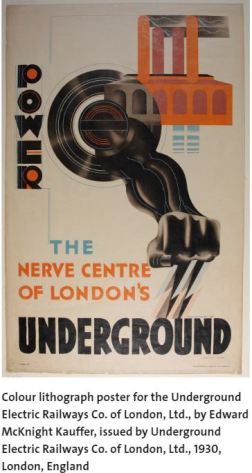 Museum, this book is the perfect resource for all those who appreciate one of the most popular art forms.
 Boomers Daily