

From a Stanford Engineering article (April 8, 2020):
 Companies that structure themselves as location-independent have developed norms and practices that bridge the emotional and logistical distances. The same is true for their workers. For such companies, remote-only work can reduce costs, expand the talent pool and boost productivity. By contrast, being forced by a crisis to work remotely is likely to be disruptive and frustrating. It may be better than shutting down, but it will likely lead to a big drop in productivity.
In the span of a single month, the COVID-19 pandemic has forced companies and organizations of all types to have almost all of their employees work remotely from home.
Has the future of work, the all-remote workforce and even the virtual organization, arrived in full force? Though online technologies have made remote work increasingly common, most companies and organizations are still run out of brick-and-mortar facilities. Now they are scrambling to stand up virtual workspaces overnight.








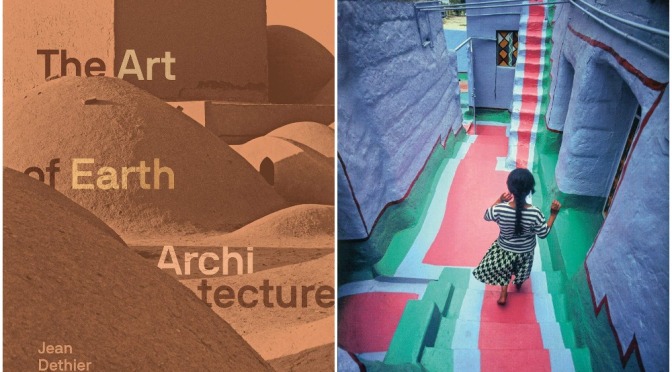
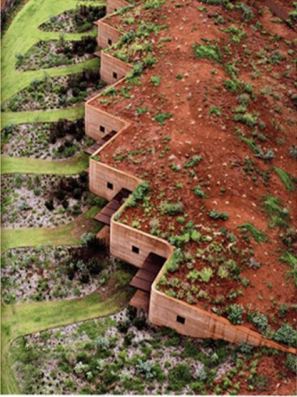 The Art of Earth Architecture demonstrates the wide-ranging applications and sustainability of this building material, while presenting a manifesto for its ecological significance. Featuring raw-earth masterpieces, monumental structures, and little known works, the book includes the temples and palaces of Mesopotamia, the Great Wall of China, large-scale urban developments in Tenochtitlan in Mexico, the medinas of Morocco, and housing in Marrakech and Bogota.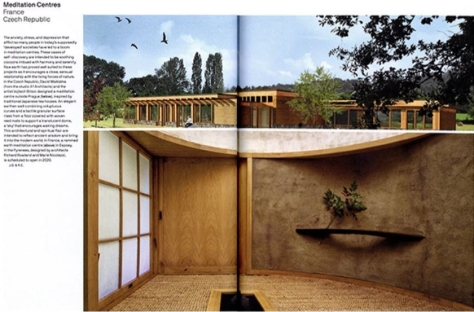


 Boomers Daily