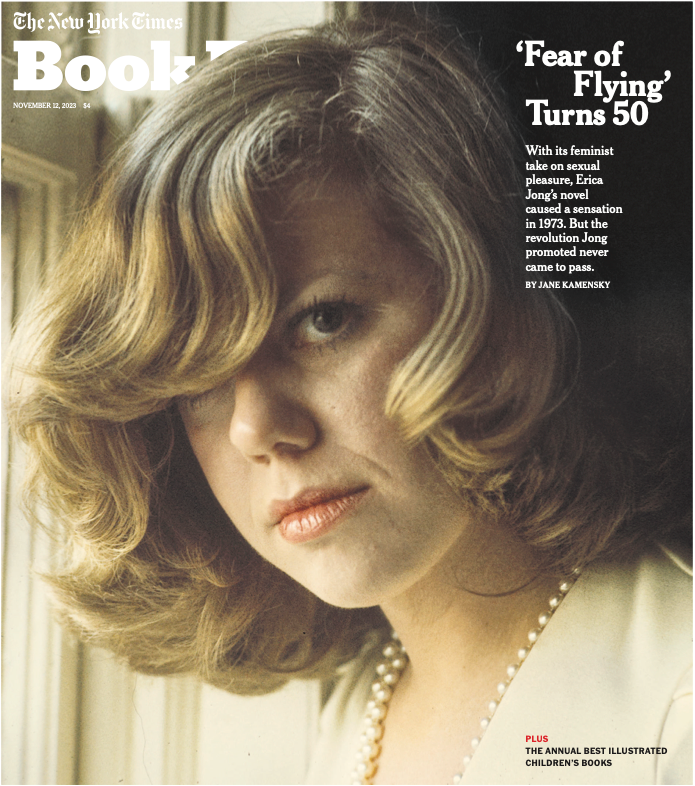
THE NEW YORK TIMES BOOK REVIEW (November 12, 2023): This week’s issue features ‘Fear of Flying’ turns 50 – With its feminist take on sexual pleasure, Erica Jong’s novel caused a sensation in 1973; The 2023 New York Times/New York Public Library Best Illustrated Children’s Books, and more…
With its feminist take on sexual pleasure, Erica Jong’s novel caused a sensation in 1973. But the revolution Jong promoted never came to pass.
By Jane Kamensky
Fifty years ago last month, Erica Jong published a debut novel that went on to sell more than 20 million copies. “Fear of Flying,” a book so sexually frank that you may have found it hidden in your mother’s underwear drawer, broke new ground in the explicitness of writing by and for women. Jong’s heroine, Isadora Wing, was a live wire. She was also a dead end, certainly for Jong, and maybe for feminism, too.
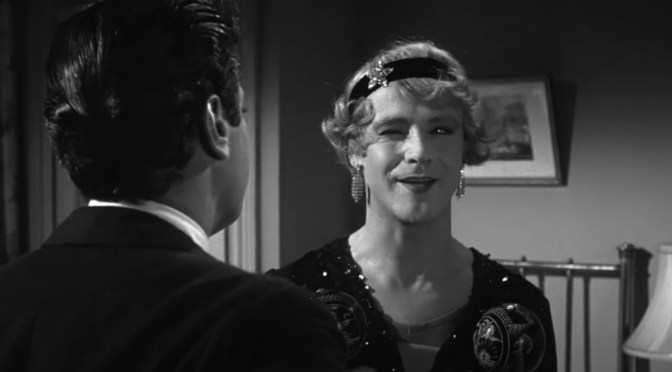
MGM (September 16, 2023) – Enjoy some of Jack Lemmon’s most iconic scenes in this crafted compilation:
Irma La Douce (1963) – Produced and Directed By: Billy Wilder Screenplay By: Billy Wilder and I.A.L. Diamond
Some Like It Hot (1959) – Directed By: Billy Wilder Screenplay By: Billy Wilder and I.A.L. Diamond Cast: Marilyn Monroe, Tony Curtis, Jack Lemmon, George Raft, Pat O’Brien, Joe E. Brown
The Apartment (1960) – Directed By: Billy Wilder Written By: Billy Wilder & I.A.L. Diamond Cast: Jack Lemmon, Shirley MacLaine, Fred MacMurray, Ray Walston, Jack Kruschen, David Lewis, Joan Shawlee, Naomi Stevens, Hope Holiday, and Edie Adams
Avanti! (1972) – Produced and Directed By: Billy Wilder Screenplay By: Billy Wilder and I.A.L. Diamond Based on the Play By: Samuel Taylor Cast: Jack Lemmon, Juliet Mills, Clive Revill, Edward Andrews
The Fortune Cookie (1966) – Produced and Directed By: Billy Wilder Written By: Billy Wilder and I.A.L. Diamond Cast: Jack Lemmon, Walter Matthau, with Ron Rich, Cliff Osmond, and Judi West
Sotheby’s (July 20, 2023) – The Voyager Golden Record is a unique audio-visual time capsule developed by NASA and affixed to the Voyager 1 and 2 spacecrafts.
Designed to communicate to possible space-faring civilizations something of the diversity of life and culture on our world, the Golden Record consisted of greetings in 59 human languages and those of the humpback whales, 115 images of life here, the sounds of Earth, and 27 pieces from the world’s musical traditions. It has been called the beginning of the concept of “world music.”
It was Voyager 1 that looked homeward from high above Neptune to take, at Carl Sagan’s behest, the iconic Pale Blue Dot photograph. Upon flawlessly completing the first phase of their mission, the NASA Voyagers 1 and 2 made for the open sea of interstellar space, teaching us the actual shape of our solar system as it moves through the galaxy. The Golden Record is an unparalleled document in the history of space exploration and our civilization.
When “The Godfather” opened in March 1972, director Francis Ford Coppola’s drama about a mob family forever changed how we look at gangster films. Correspondent Tracy Smith talks with Coppola, and with stars Robert Duvall, James Caan and Talia Shire, about the making of a classic that, 50 years later, movie lovers still cannot refuse.
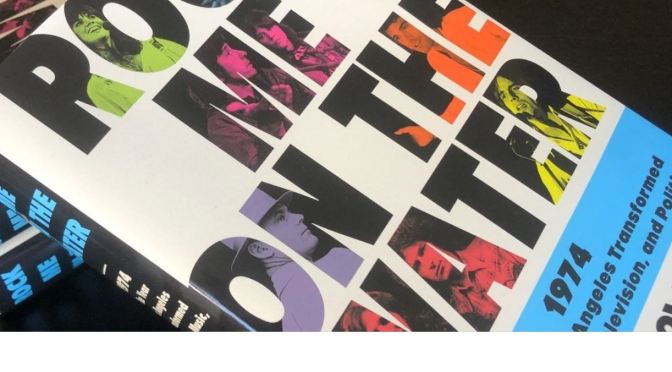
A new book argues the 1970’s was a moment when TV, movies, and music all shifted into a new gear, changing the cultural landscape in ways that continue to today. Jeffrey Brown has a conversation with author Ron Brownstein about his book “Rock Me on the Water: 1974-The Year Los Angeles Transformed Movies, Music, Television, and Politics.” This segment is part of our arts and culture series, CANVAS.
Every legacy has a compelling origin. The soon-to-be-launched Landsat 9 is the intellectual and technical product of eight generations of Landsat missions, spanning nearly 50 years.
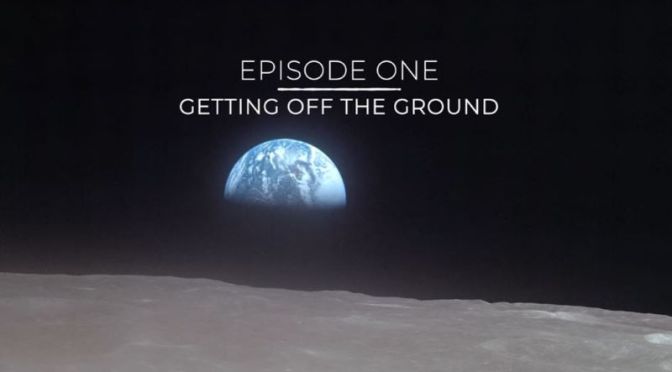
Episode One answers the question “why?” Why did the specific years between 1962 and 1972 call for a such a mission? Why did leadership across agencies commit to its fruition? Why was the knowledge it could reveal important to the advancing study of earth science?
In this episode, we’re introduced to William Pecora and Stewart Udall, two men who propelled the project into reality, as well as Virginia Norwood who breathed life into new technology. Like any worthwhile endeavor, Landsat encountered its fair share of resistance. Episode one explores how those challenges were overcome with the launch of Landsat 1, signifying a bold step into a new paradigm.
Additional footage courtesy of Gordon Wilkinson/Texas Archive of the Moving Image and the US Geological Survey. The Landsat Program is a series of Earth-observing satellite missions jointly managed by NASA and the U.S. Geological Survey (USGS). Landsat satellites have been consistently gathering data about our planet since 1972. They continue to improve and expand this unparalleled record of Earth’s changing landscapes for the benefit of all.
Music: “The Missing Star,” “Brazenly Bashful,” “Light Tense Weight,” “It’s Decision Time,” “Patisserie Pressure,” from Universal Production Music Credit: NASA’s Goddard Space Flight Center Matthew R. Radcliff (USRA): Lead Producer Ryan Fitzgibbons (USRA): Lead Producer Kate Ramsayer (USRA): Lead Producer LK Ward (USRA): Lead Writer Ryan Fitzgibbons (USRA): Lead Editor Jeffrey Masek (NASA/GSFC): Lead Scientist Marc Evan Jackson: Narrator Terry Arvidson (Lockheed Martin): Interviewee Aaron E. Lepsch (ADNET): Technical Support
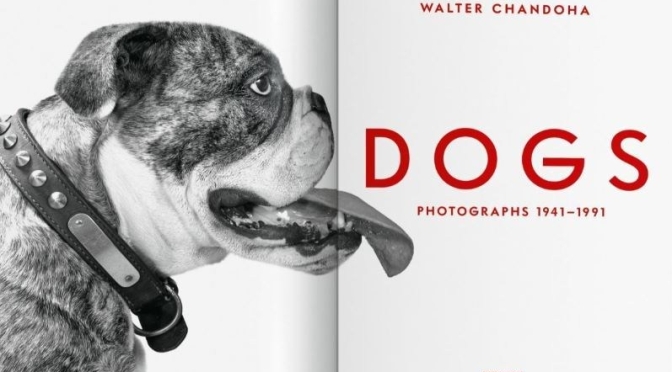
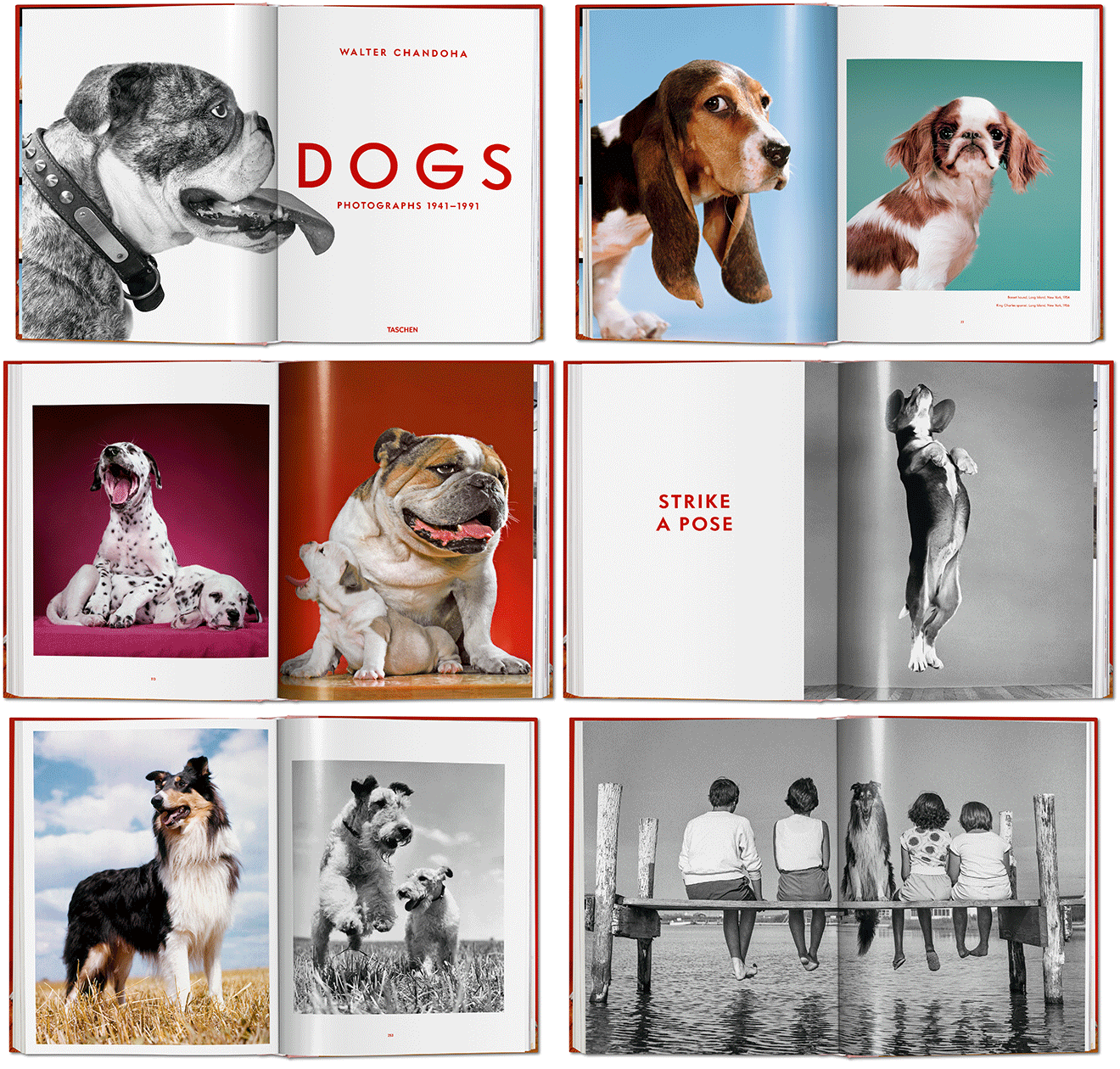
We see terriers, collies, beagles, bloodhounds, poodles, small dogs, big dogs, show dogs, working dogs, and many more, featuring over 60 breeds photographed in both black-and-white and glorious Kodachrome.
The world appears to be divided into cat and dog lovers, but fortunately Walter Chandoha, the 20th century’s greatest pet photographer found himself happily in the middle. He loved these intriguing creatures equally for their unique beauty and individualism, and as subjects to photograph in a career spanning over 70 years. While working on his critically acclaimed TASCHEN book Cats, Chandoha handpicked his favorite dog photos for a potential follow-up title, putting into carefully marked boxes hundreds of contact sheets, prints, and color transparencies, many unseen for at least 50 years, and some totally unseen.
Chandoha sadly passed away in 2019 at the age of 98, but his legacy lives on in this dashing sequel dedicated to man’s best friend. “Walter Chandoha’s photographs of dogs are compelling not just because dogs have an inherent charm, but because the person behind the camera was a master of his craft,” writes the photography critic Jean Dykstra in the book’s introduction.
Spanning a 50-year period, the book is divided into six sections, and each chapter reveals Chandoha’s exceptional combination of technique, versatility, and soul. The opening chapter “In the Studio” focuses on formal portraiture; next it’s “Strike a Pose” where our canine companions ham it up for the camera; in “Out and About” they get to roam and play, often photographed with Chandoha’s own children; next it’s “Best in Show” with Chandoha using his reportage skills to capture vintage dog shows from the Mad Men era; in “Tails from the City,” the dogs are hitting the streets of mid-century New York; and in the closing chapter “Country Dogs,” it’s back to nature, the fields, and the beaches. Dogs is an unleashed photographic tribute to these lovable and loyal creatures.
The photographer
Walter Chandoha(1920–2019) was a combat photographer in the Second World War, before a chance encounter with a cat led him on a path that would shape his professional career. He is regarded as the world’s greatest domestic animal photographer with a career spanning over seven decades and an archive of more than 200,000 photographs. His photographs have appeared on over 300 magazine covers, thousands of advertisements, and were regularly featured in magazines such as Life, Look, and their equivalents around the world.
The editor
Reuel Golden is the former editor of the British Journal of Photography and the Photography editor at TASCHEN. His TASCHEN titles include: Mick Rock: The Rise of David Bowie, both London and New York Portrait of a City books, Andy Warhol. Polaroids, The Rolling Stones, Her Majesty, Football in the 1970s, the National Geographic editions, and The David Bailey SUMO.
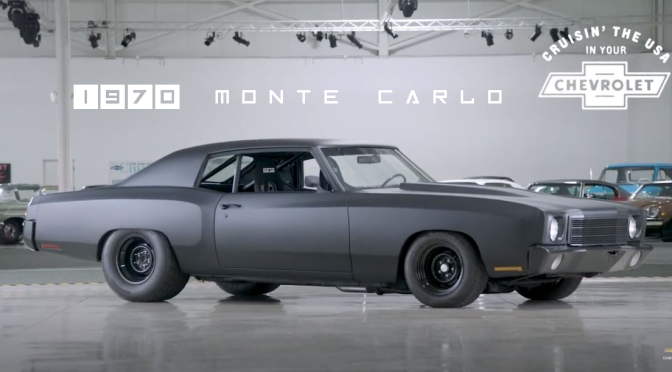
GM employee, Adrienne Peters’ custom-built 1970 Chevy Monte Carlo is the definition of minimalist muscle car. Take a walk around her performance powerhouse.
News, Views and Reviews For The Intellectually Curious





 MGM
MGM
 MGM
MGM
 TIME
TIME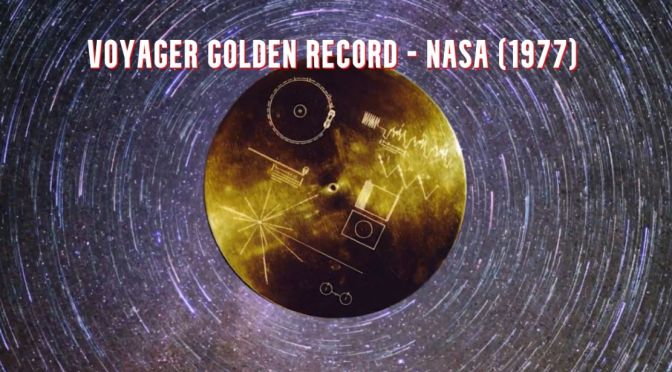
 Sotheby’s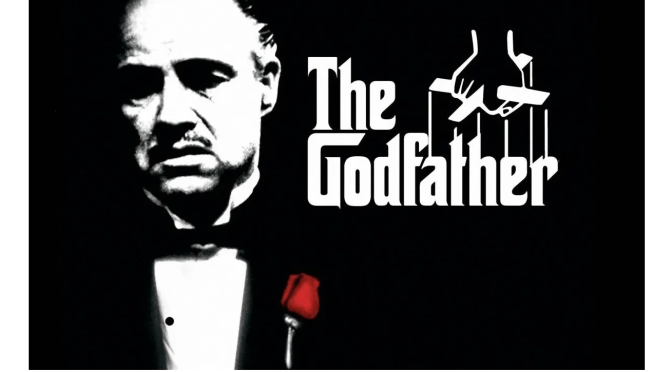
 Boomers Daily