

From a European Society of Cardiology online release:
 The annual rate of death from cardiovascular disease was nearly four times higher in women with poor, compared to good, exercise capacity (2.2% versus 0.6%). Annual cancer deaths were doubled in patients with poor, compared to good, exercise capacity (0.9% versus 0.4%). The annual rate of death from other causes was more than four times higher in those with poor, compared to good, exercise capacity (1.4% vs. 0.3%).
Women who can exercise vigorously are at significantly lower risk of dying from heart disease, cancer and other causes. The research is presented today at EuroEcho 2019, a scientific congress of the European Society of Cardiology (ESC).1
During a median follow-up of 4.6 years there were 345 cardiovascular deaths, 164 cancer deaths, and 203 deaths from other causes. After adjusting for factors that could influence the relationship, METs were significantly associated with lower risk of death from cardiovascular disease, cancer, and other causes.
To read more: https://www.escardio.org/The-ESC/Press-Office/Press-releases/Women-exercise-and-longevity

 The percentage of boomers who own a pet grew from 50% to 54% between 2008 and 2018. Among the oldest boomers — those between 70 and 74 — the percentage of pet owners rose from 41% to 45%. In contrast, the percentage of pet owners between the ages of 18 to 39 dropped from 63% to 61% during that time frame. Among consumers 40-54, the percentage of pet owners held steady at 64%.
 Adams’ ‘visualisation’ strategy marked a shift away from Pictorialism, a much more manipulated photographic style, which had influenced his early work. His desire for sharper focus and deeper tone and contrast (he called it ‘an austere and blazing poetry of the real’) led to him becoming a leading figure in pure — or straight — photography.
 On 13 December, Amazon Prime will air the fourth season of The Expanse, a hardboiled space drama renowned for its working-class characters and real-world space physics. Showrunner Naren Shankar is part of the reason the science checks out. The veteran writer and producer for programs such as Star Trek: The Next Generation, Farscape, and the police procedural CSI: Crime Scene Investigation, has a doctorate in applied physics and electrical engineering.

 Syndicated columnist Mark Shields and New York Times columnist David Brooks join Judy Woodruff to discuss the week’s political news, including how the first House Judiciary Committee hearing on impeachment affected the case against President Trump, what Trump’s contentious visit to a NATO summit means for U.S. foreign policy and the fallout from Sen. Kamala Harris’ withdrawal from the 2020 race.

 Health spending in the U.S. grew to $3.6 trillion in 2018, according to a new report from the federal government. The rate of growth — 4.6% — was up slightly from 2017’s 4.2%, despite the fact that nearly a million more Americans lacked insurance.
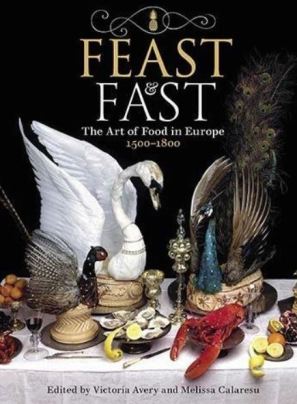 Food defines us as individuals, communities, and nations – we are what we eat and, equally, what we don’t eat. When, where, why, how and with whom we eat are crucial to our identity. Feast and Fast presents novel approaches to understanding the history and culture of food and eating in early modern Europe.
 Omega-3s have a variety of health benefits that consumers want. Consuming omega-3s is suggested to help fight against depression, anxiety, mental decline and heart disease as well as promote brain health during early child development. Expect several omega-3 enhanced beverages in 2020.
 Boomers Daily