

From a BMJ Open Journal study release (February 20, 2020):
 Aspirin is an inhibitor of prostaglandin production and may influence the cellular basis of bone remodelling responsible for maintaining the material and structural strength of bone.
The consistent findings of reduced risk of fracture across studies included in this review is encouraging. It is important to keep in mind that studies were quite diverse in design, populations included, data collection methods and follow-up periods and we did observe high heterogeneity especially for fracture risk. While we need to interpret this finding with some caution, there appeared to be a consistent indication that aspirin use is associated with positive bone outcomes.
The anti-inflammatory effects of aspirin via prostaglandin inhibition have recently gained attention. Chronic low-grade inflammation contributes to age-related cardiovascular, neurological, respiratory and musculoskeletal conditions. Low-grade inflammation is associated with increased bone loss and fracture risk. Prostaglandin, an important inflammatory mediator, is likely to have a key role in bone remodelling attributable to inflammation. Prostaglandin E2 stimulates bone resorption and formation and is produced largely from cyclooxygenase-2 induction. Prostaglandins acutely inhibit osteoclast function. However, their chronic effect is to stimulate bone resorption by increasing replication of osteoclast precursors, and differentiation to mature osteoclasts.


 We suggest this increase in mortality seen on DR in the 4-day switch treatment is due to either accrued physiological costs or more probable, a carryover of deaths directly resulting from the rich diet, but recorded on the DR diet.


 The value of domestic cats as predators-in-residence certainly played a significant part in their global spread, as they were employed for rodent control on trade ships and in the outbuildings of emerging civilisations.
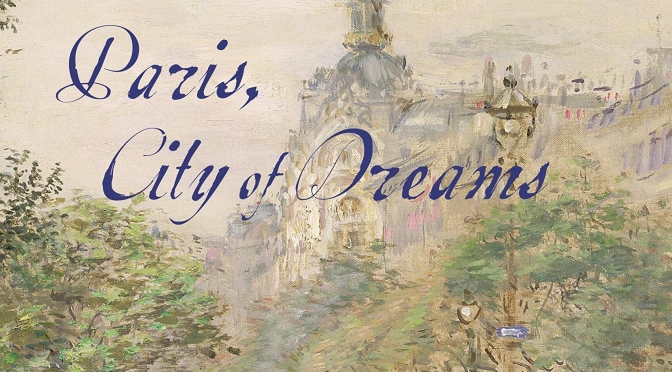
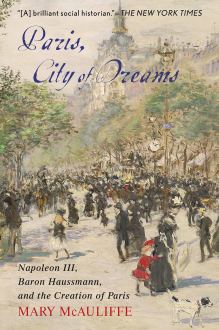 Paris, City of Dreams traces the transformation of the City of Light during Napoleon III’s Second Empire into the beloved city of today. Together, Napoleon III and his right-hand man, Georges Haussmann, completely rebuilt Paris in less than two decades—a breathtaking achievement made possible not only by the emperor’s vision and Haussmann’s determination but by the regime’s unrelenting authoritarianism, augmented by the booming economy that Napoleon fostered.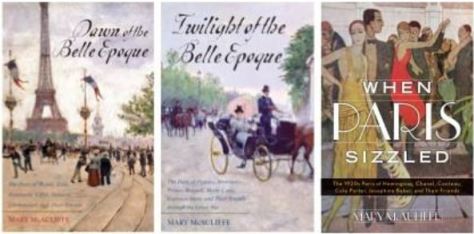
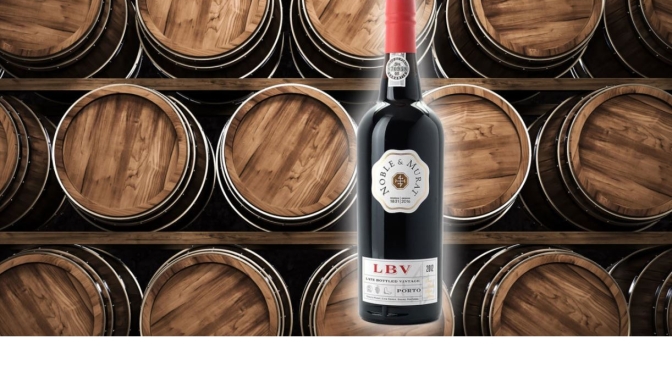
 Antonio Taveira’s family breathes new life into the illustrious Noble & Murat brand whose tradition as a port house started over a century and half ago in 1831 as one of the first bottlers to mention “LBV” on their label.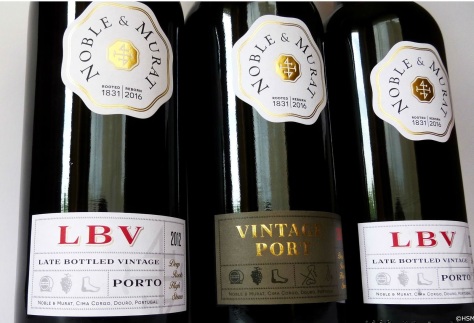
 Boomers Daily