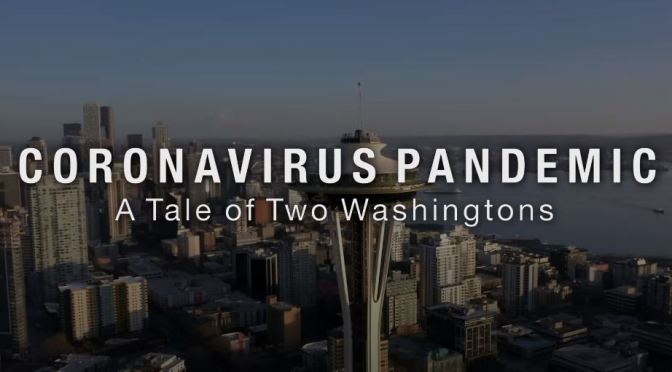
An investigation into the U.S. response to COVID-19, from Washington State to Washington, D.C.
How did the U.S. become the country with the worst known coronavirus outbreak in the world? FRONTLINE and veteran science reporter Miles O’Brien investigate the American response to COVID-19, and examine what happens when politics and science collide.
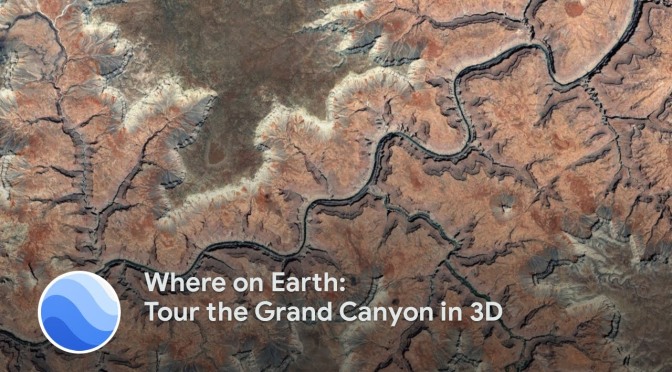
Visit the most scenic spots in Grand Canyon National Park with Google Earth! Travel from the Abyss to the “Black Bridge” over the Colorado River to Hopi Point to watch the sunrise.
While the Denver Art Museum is temporarily closed, we are sharing this look at the Homer and Remington exhibition. Hear from DAM curators Thomas Brent Smith and Jennifer R. Henneman.
From the sugar-white beaches of Siesta Key, to the green wetlands of the Everglades, to vast Florida orange groves, discover the colorful sights and history of the Sunshine State.
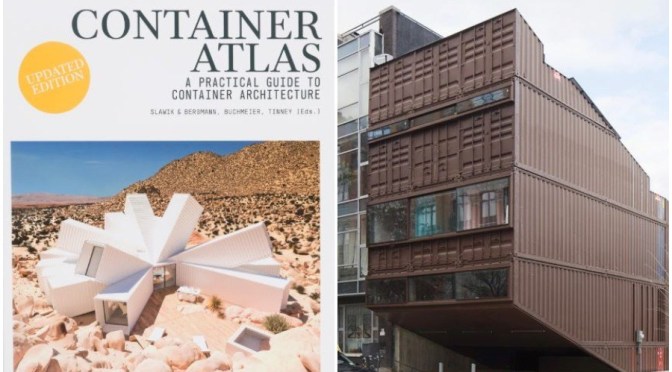
Container Atlas seeks out luxurious remote hideaways, urban dwellings, community centers, and more, all showing how the humble container can put the fab into pre-fab.
Container architecture has become an essential part of our twenty-first century surroundings, with it being used to create modular structures for pavilions, brand showrooms, retail premises, and even residential homes. Ten years after the first publication of Container Atlas, this eagerly anticipated follow-up charts how this movement has evolved into an essential part of today’s architectural vocabulary. Container Atlas serves as a practical and inspirational reference not only for architects and engineers, but also for all creatives eager to learn about the rich and diverse language of container architecture and modular building.
Architect and Professor Han Slawik and his team have established themselves as international experts in the field of container architecture. He is the author of the first edition of Container Atlas and has returned to the subject with refreshed insights into this burgeoning movement.
It’s been five decades since Apollo 8 astronaut William Anders photographed Earth peaking over the Moon’s horizon. The iconic image, dubbed Earthrise, inspired a new appreciation of the fragility of our place in the universe. Two years later, Earth Day was born to honor our home planet. As the world prepares to commemorate the 50th anniversary of Earth Day, NASA reflects on how the continued growth of its fleet of Earth-observing satellites has sharpened our view of the planet’s climate, atmosphere, land, polar regions and oceans.
Before she published “Silent Spring,” one of the most influential books of the last century, Rachel Carson was a young aspiring poet and then a graduate student in marine biology. Although she couldn’t swim and disliked boats, Carson fell in love with the ocean. Her early books—including “The Sea Around Us,” “The Edge of the Sea” and “Under the Sea Wind”—were like no other nature writing of their time,
Jill Lepore says: Carson made you feel you were right there with her, gazing into the depths of a tide pool or lying in a cave lined with sea sponges. Lepore notes that Carson was wondering about a warming trend in the ocean as early as the 1940s, and was planning to explore it after the publication of “Silent Spring.” If she had not died early, of cancer, could Carson have brought climate change to national attention well before it was too late?
Excerpts from Carson’s work were read by Charlayne Woodard, and used with permission of Carson’s estate.
Rachel Louise Carson (May 27, 1907 – April 14, 1964) was an American marine biologist, author, and conservationist whose book Silent Spring and other writings are credited with advancing the global environmental movement.
Carson began her career as an aquatic biologist in the U.S. Bureau of Fisheries, and became a full-time nature writer in the 1950s. Her widely praised 1951 bestseller The Sea Around Us won her a U.S. National Book Award, recognition as a gifted writer, and financial security. Her next book, The Edge of the Sea, and the reissued version of her first book, Under the Sea Wind, were also bestsellers. This sea trilogy explores the whole of ocean life from the shores to the depths.
Late in the 1950s, Carson turned her attention to conservation, especially some problems that she believed were caused by synthetic pesticides. The result was the book Silent Spring (1962), which brought environmental concerns to an unprecedented share of the American people. Although Silent Spring was met with fierce opposition by chemical companies, it spurred a reversal in national pesticide policy, which led to a nationwide ban on DDT and other pesticides. It also inspired a grassroots environmental movement that led to the creation of the U.S. Environmental Protection Agency. Carson was posthumously awarded the Presidential Medal of Freedom by President Jimmy Carter.



 To reopen the economy safely, experts estimate the U.S. will need to administer millions of tests every month.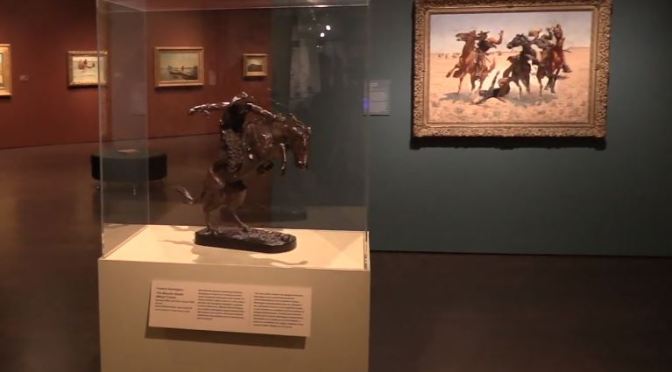

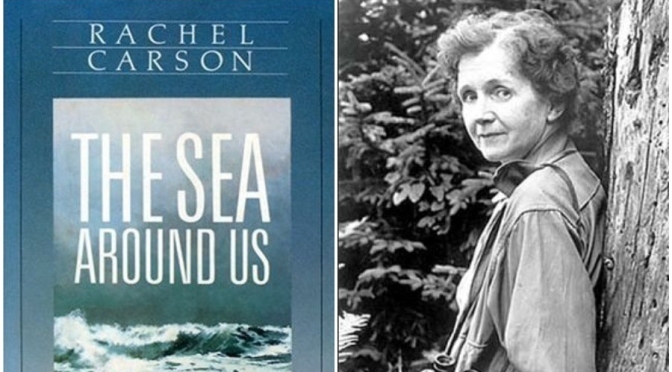
 Before she published “Silent Spring,” one of the most influential books of the last century, Rachel Carson was a young aspiring poet and then a graduate student in marine biology. Although she couldn’t swim and disliked boats, Carson fell in love with the ocean. Her early books—including “
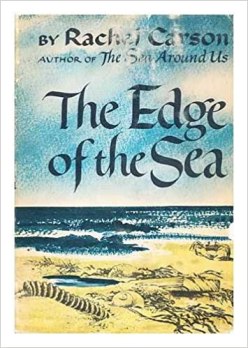 Jill Lepore
 Boomers Daily