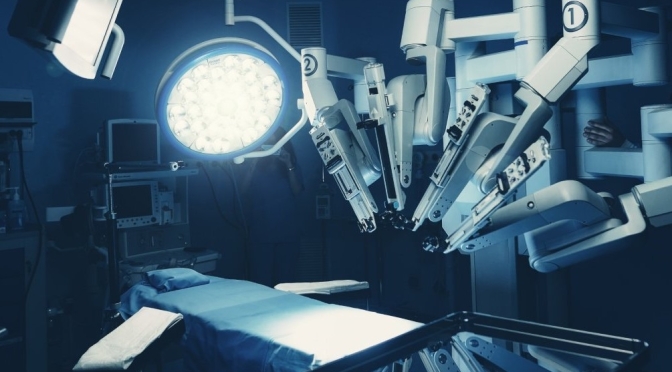
Freethink – Robotics are helping make minimally invasive surgeries even less invasive. Case in point: single-port robotic surgery, a relatively new type of approach where a robotic system controlled by a human surgeon executes the procedure by making only one incision into the patient.
Although still relatively uncommon, single-port surgery has been gaining momentum in recent years. The benefits are noticeable. Compared to traditional surgery, single-port surgery might leave patients with shorter recovery times, less scarring, and overall better outcomes.
The technique is also transforming how surgeons think about and execute surgery itself. “It’s allowing us to do surgeries differently than we do with [multi-port surgery],” said Michael Stifelman, M.D., director of robotic surgery at Hackensack University Medical Center. “What every patient wants is to get back to their life. Single-port robotics is allowing us to get them to that point more quickly.”
Learn more about the future of single-port surgery in this episode of “Operation: Reimagine Surgery,” a Freethink original series produced in partnership with Intuitive, which created the world’s first commercially available robotic surgery system in the 1990s.
In the January/February issue of frieze, Terence Trouillot profiles artist Henry Taylor ahead of shows at The Fabric Workshop and Museum, Philadelphia, and The Museum of Contemporary Art, Los Angeles. Plus, one year after Russia declared war on Ukraine, artists and writer respond to the crisis in a dossier, including: a personal essay by painter and writer Kateryna Aliinyk; Adam Mazur profiles Taras Gembik, an artist and performer organising picnics to raise money for Ukraine in Warsaw, Poland; Nikita Kadan on what art can mean in a time of war; editor-in-chief Andrew Durbin interviews Olha Honchar, the director of Territory of Terror Museum, which documents war crimes, and the coordinator for the Museum Crisis Center, an organization helping Ukrainian museums rescue their holdings from occupied zones.
Profile: Henry Taylor “I became the observer because I was trying to understand my own life and that’s why I started making pictures. I just like looking at people.” Terence Trouillot considers how Henry Taylors oeuvre goes far beyond the canvas.
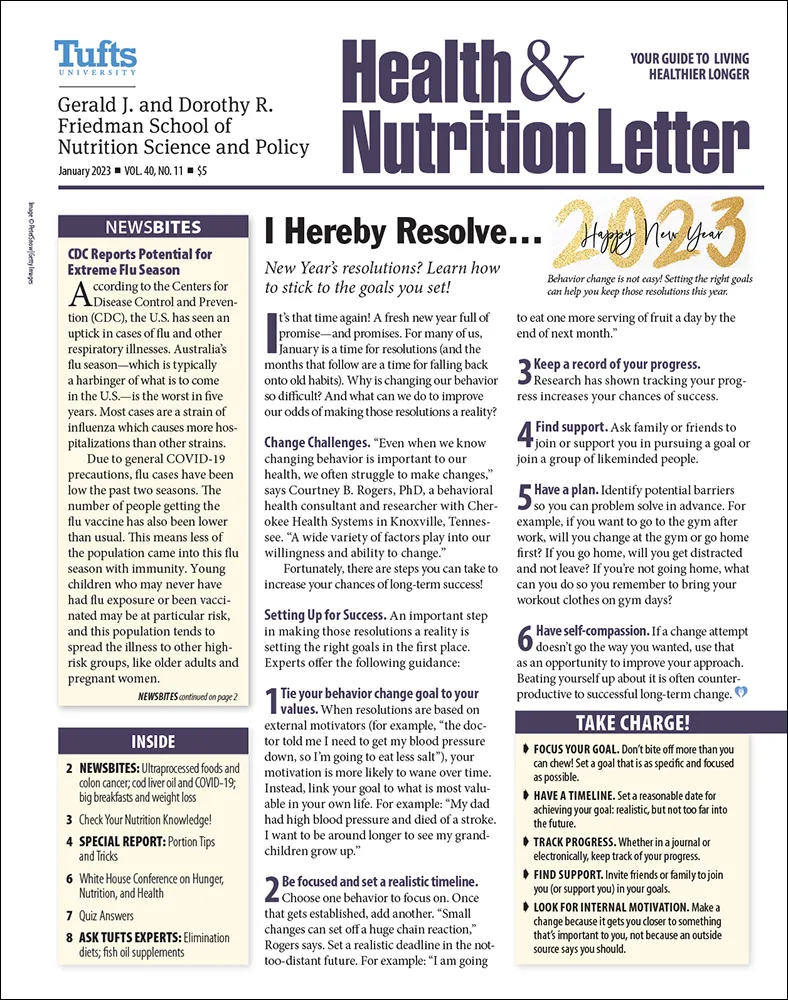
Q: What is an elimination diet? Can it be used for weight loss?
A: Alicia Romano, MS, RD, CSNC, a registered dietitian/nutritionist with the Frances Stern Nutrition Center who specializes in gastrointestinal diseases and food allergies, answers: “I’m glad you asked this question! Elimination diets are sometimes used as diagnostic or treatment tools. They are not for weight loss.
designboom – Over the past year, the field of design has seen a dramatic shift with artists and architects alike increasingly adapting innovative technologies to explore and expand the bounds of their creative practices.
illustrative capabilities of AI-powered design programs
Perhaps the most sensational innovation has been the wave of AI-powered design programs, kicking off with DALL-E which quickly consolidated its place in the framework of popular culture, taken further by Midjourney from which a blurred but exciting reality emerged, to Stable Diffusion which moreover has made this work open source.
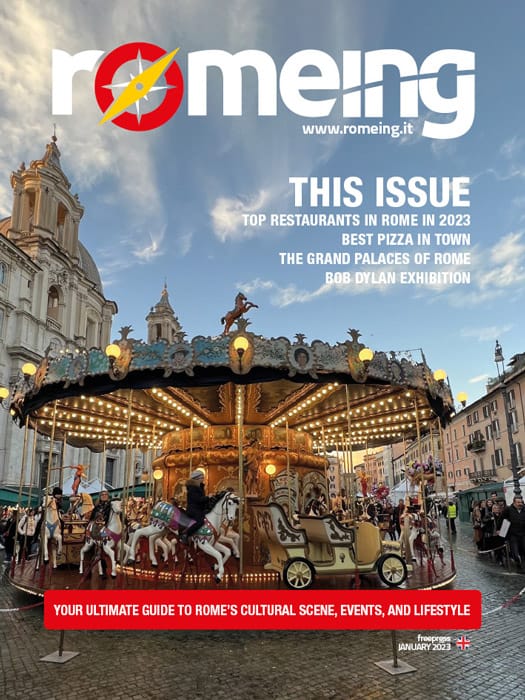
Looking for a cozy place to curl up with a book and perhaps a cappuccino? We’ve tracked down the best places where you can be surrounded by books and delicious bites to eat. Whether you want to study, look pensive and poetic while writing a journal entry, or just grab breakfast while flipping through some literature, these are our favorite hideaways all over the city.
Discover the Jewish Ghetto turned hip central quarter where boutique stores and kosher restaurants sit alongside picturesque historic buildings belying an enticing and rich history of the Jews in Rome.
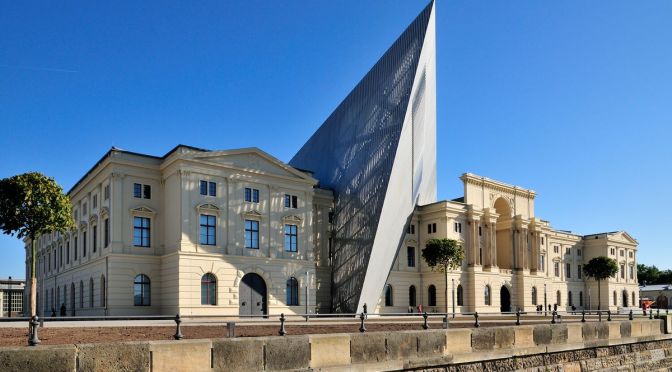
Smithsonian Channel – In 2001, Daniel Libeskind was hired to design a tasteful extension to the Bundeswehr Museum of Military History, in Dresden. His vision was an ingenious feat of architecture that managed to be both modern and respectful of the city’s tragic past.
The Military History Museum in Dresden, Saxony is one of very few museums in Germany that has German war equipment from both World Wars. Some of the most famous large items in the museum include a V2 flying bomb and Germany’s first submarine. The museum aims to explain how the military, armies and war influenced politics and society, and vice versa.
















 illustrative capabilities of AI-powered design programs




 Boomers Daily