

From a New Atlas online article (March 1, 2020):

One of the largest and most prestigious photo contests in the world has revealed its first wave of 2020 winners. The Sony World Photography Awards National winners focus on the best regional talent across more than 60 countries around the globe.
The 2020 Sony World Photography Awards received a record breaking 350,000 submissions, with 190,000 entries into its Open category. The Open category spans a number of thematic sections, all seeking the best single photograph from either amateur or professional photographers.
 Adam Stevenson won the best Australian photograph with an incredible shot of a Kookaburra watching over the devastation of the bushfires that tore through the country over the past few months. The shot is titled “That’s Nothing to Laugh About” and was snapped with a Iphone X near Stevenson’s home at Wallabi Point in New South Wales.
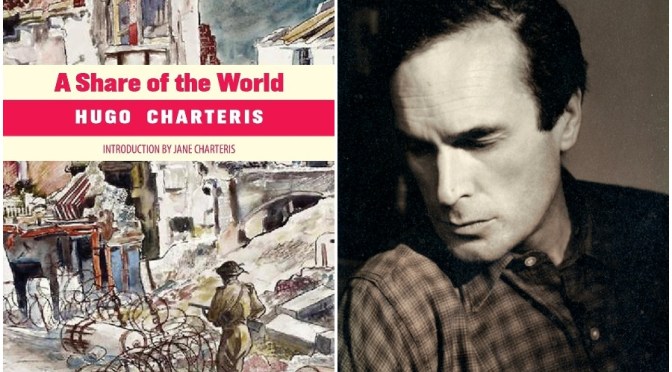
 Alan Ross, for forty years
  almost five decades since his death of cancer in 1970, aged only forty-seven.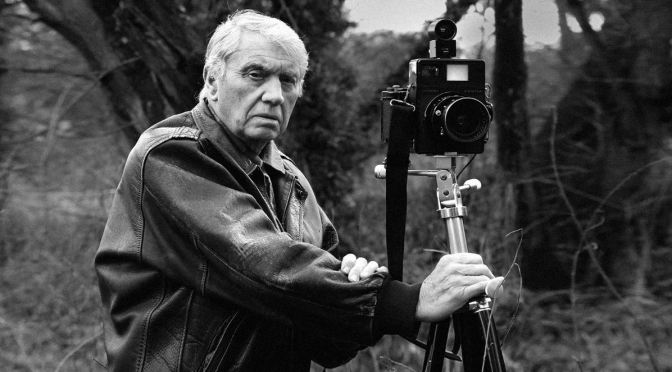
 comes over my life when I think […] that I’ve earned my reputation out of other people’s downfall. I’ve photographed dead people and I’ve photographed dying people, and people looking at me who are about to be murdered in alleyways. So I carry the guilt of survival, the shame of not being able to help dying people.’
  On top of a hill a few miles from Don McCullin’s house in Somerset is a dew pond, a perfectly circular artificial pond for watering livestock. Nobody knows how long it has been there; some dew ponds date back to prehistoric times, and it’s tempting to think that this one served the Bronze Age hill-fort that overlooks the site. McCullin is obsessed with the pond. For more than 30 years, whenever he has had the time, he has walked up the hill and stood there with his camera waiting for the right moment to take a photograph. Often, the moment never comes: he can spend hours there, just looking. ‘It’s as if it has a hold over me,’ he tells me when I visit him at home in early January. ‘I can’t leave it alone, I photograph it all the time. And yet I think I’ve done my best picture the first time I ever did it. I can’t tell you how.’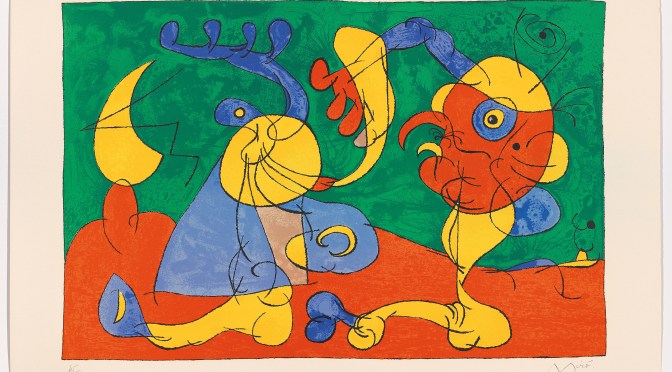
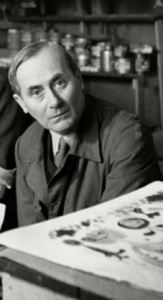
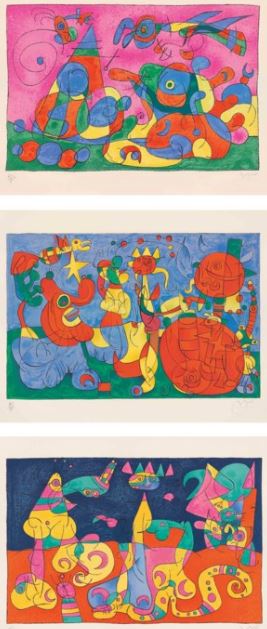 The son of a watchmaker, Joan Miró was born in Barcelona in 1893. He moved to Paris in the early 1920s and soon joined the Surrealist movement. He also befriended a host of avant-garde writers, such as Max Jacob, Tristan Tzara, Antonin Artaud, André Breton and Paul Eluard.
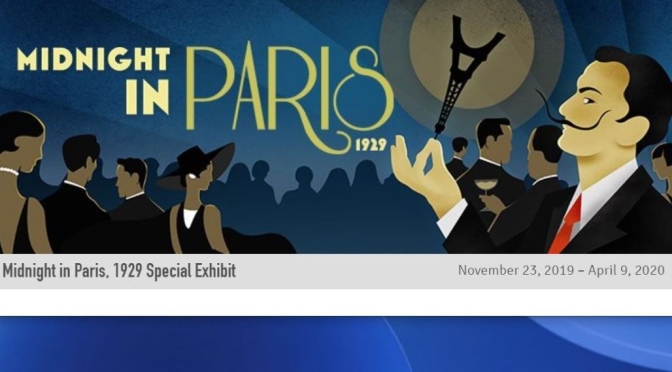
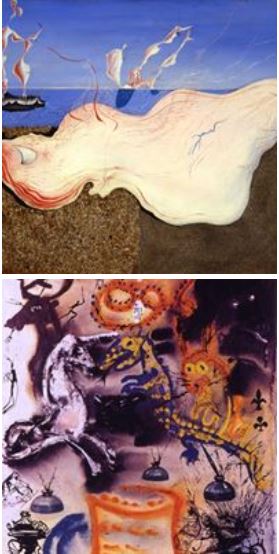 Masson, a founding Surrealist, saw the movement as an immersion “into what the German romantics call the night side of things.” However, “towards 1930,” Masson wrote, “a formidable disaster appeared in its midst: the demagogy of the irrational.” “Midnight in Paris” touches on Surrealism’s highs and lows, its darkness, poetry, beauty and banalities, reminding viewers—at the heart of the Dalí Museum, no less—that the movement is much, much more than melting watches.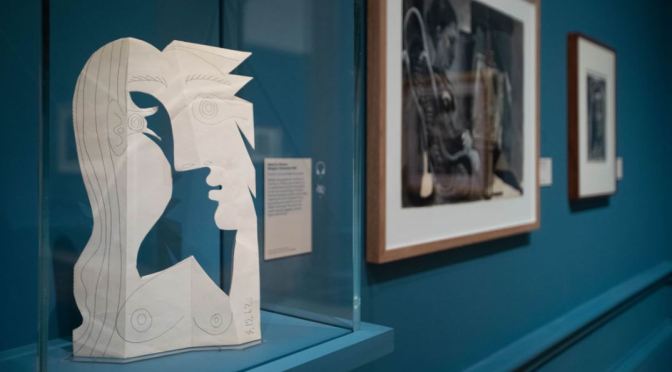


 Boomers Daily