
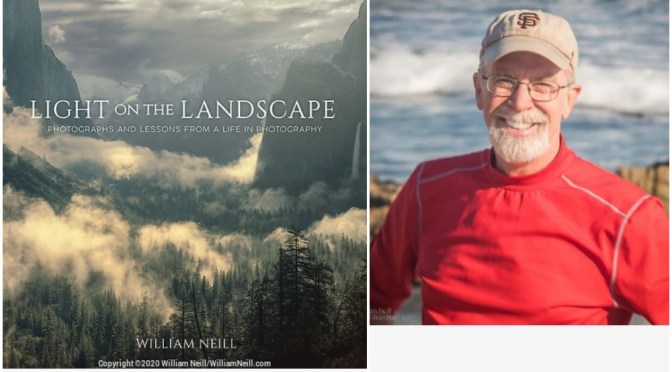
Drawing from the tradition of behind-the-scenes books like Ansel Adams’ Examples: The Making of 40 Photographs and Galen Rowell’s Mountain Light: In Search of the Dynamic Landscape, Light on the Landscape covers in detail the core photographic fundamentals such as light, composition, camera angle, and exposure choices, but it also deftly considers those subjects that are less frequently examined: portfolio development, marketing, printmaking, nature stewardship, inspiration, preparation, self-improvement, and more. The result is a profound and wide-ranging exploration of that magical convergence of light, land, and camera.
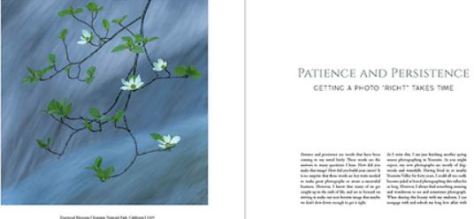
For more than two decades, William Neill has been offering his thoughts and insights about photography and the beauty of nature in essays that cover the techniques, business, and spirit of his photographic life. Curated and collected here for the first time, and accompanying 128 beautiful reproductions of Neill’s photographs, these essays are both pragmatic and profound, offering readers an intimate look behind the scenes at Neill’s creative process behind individual photographs as well as a discussion of the larger and more foundational topics that are key to his philosophy and approach to work.
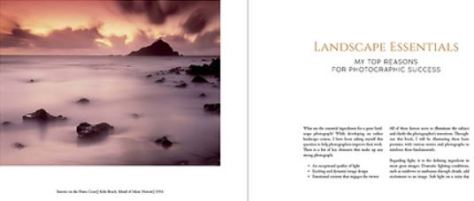
Filled with beautiful and inspiring photographs, Light on the Landscape is also full of the kind of wisdom that only comes from a deeply thoughtful photographer who has spent a lifetime communicating with a camera. Incorporating the lessons within the book, you too can learn to achieve not only technically excellent and beautiful images, but photographs that truly rise above your best and reveal your deeply personal and creative perspective―your vision, your voice.

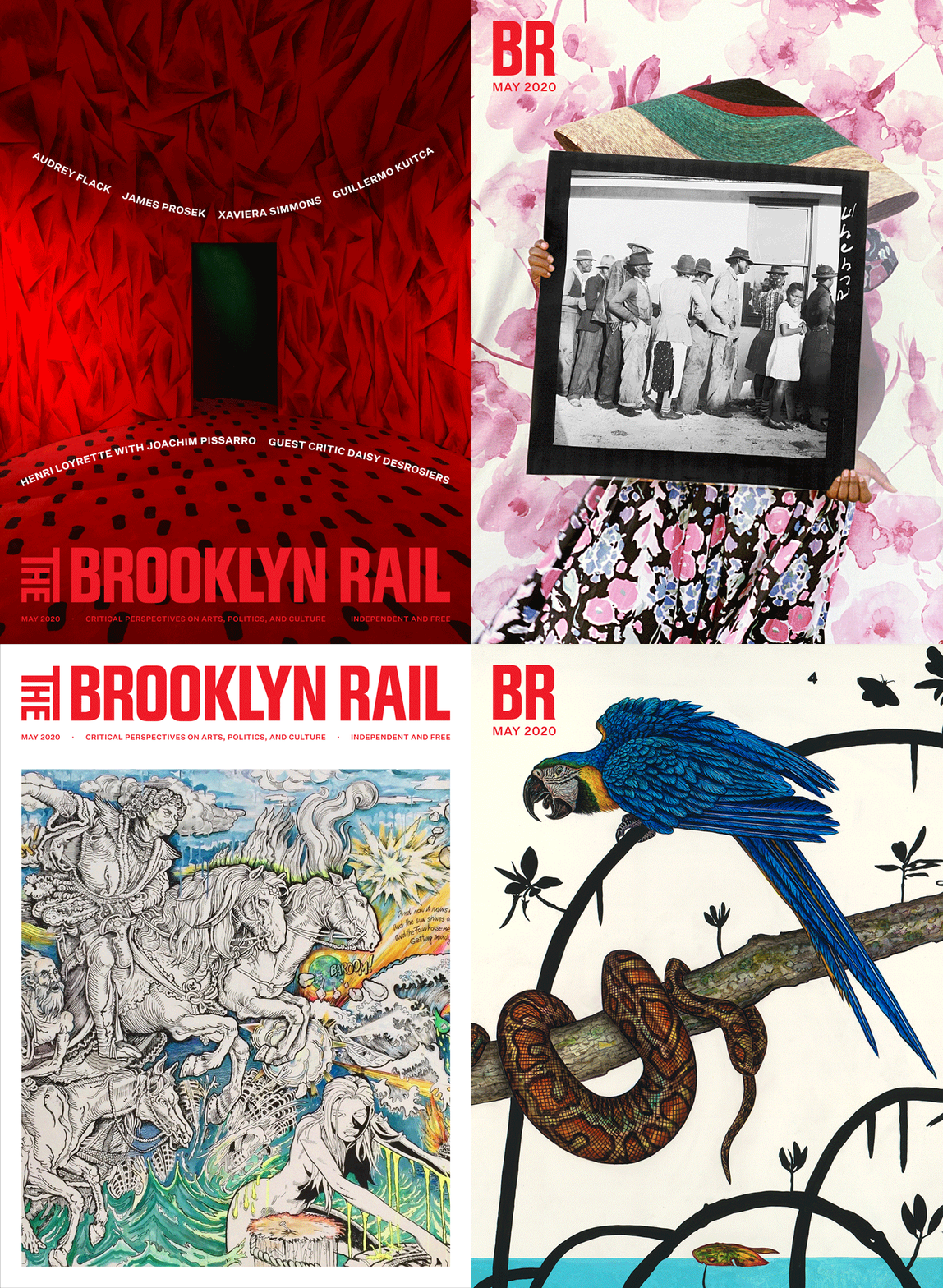
 In this two-part series, six US museum directors discuss the pandemic and its repercussions for their institutions. These candid, insightful conversations address wide-ranging topics, from the logistical challenges of when to close and how to reopen to philosophical exchanges about the role of museums in society.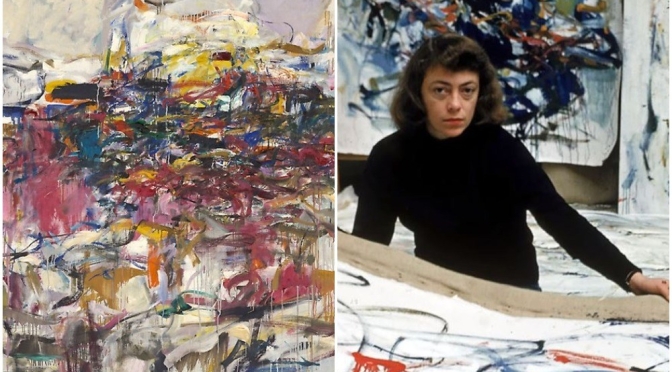
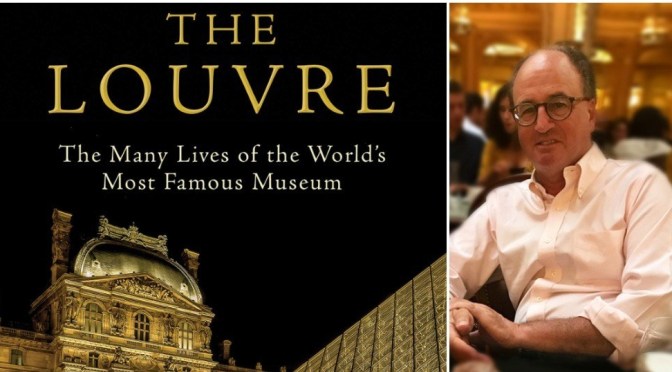
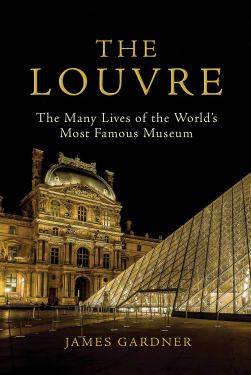 The fascinating and little-known story of the Louvre, from its inception as a humble fortress to its transformation into the palatial residence of the kings of France and then into the world’s greatest art museum.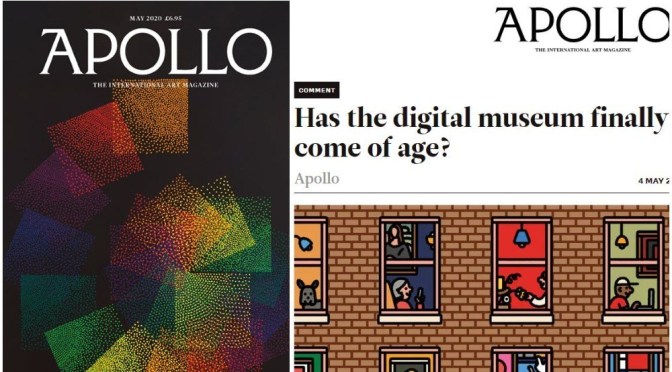
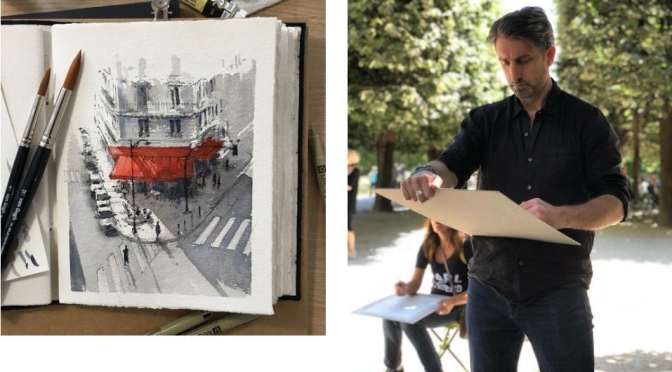
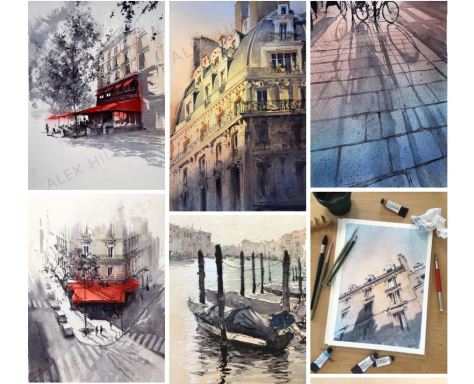 Alex currently lives in Paris with his film editor wife, Tiffany, and enjoys discovering the hidden corners of the city that sketching and plein air painting allow. He uses the language of cinema to inform his images, moving beyond what one sees, and depicting what he wants others to see. He believes that in our too-crowded lives, sketching and plein air painting invite us to move at a more deliberate pace… a true sense of place, and sometimes unexpected stories are revealed.
 Boomers Daily