This week: we talk to Emma Brown of Just Stop Oil about why the group targeted Vincent Van Gogh’s Sunflowers in the National Gallery, London, for its climate emergency protest.
Stacy Boldrick, assistant professor of museum studies at the University of Leicester, discusses the climate protests in the context of the long history of iconoclasm and attacks on works of art. The first version of Paris+, Art Basel’s fair in the French capital, opened this week, and we ask Melanie Gerlis, a columnist for the Financial Times and The Art Newspaper, how it compares to Paris’s previous fair, Fiac, and to the Frieze fairs in London last week.
And this episode’s Work of the Week is Frank Bowling’s Suncrush (1976), which features in an exhibition of the Guyana-born artist’s work at the Museum of Fine Arts in Boston. Reto Thüring, the curator of the show, tells us about the painting and Bowling’s 10-year stay in America in the 1960s and 1970s.
Links:juststopoil.orgStacy Boldrick, Iconoclasm and the Museum, Routledge, 212pp, £27.99, $35.96 (pb)Paris+, until 23 October.Melanie Gerlis, The Art Fair Story: a Rollercoaster Ride, Lund Humphries, 104pp, £19.99, $34.99 (hb)Frank Bowling’s Americas, Museum of Fine Arts, Boston, 22 October-9 April 2023; San Francisco Museum of Modern Art, 13 May-10 September next year. Related shows: Equals 6: A Sum Effect of Frank Bowling’s 5+1, University Hall Gallery, UMass Boston, 14 November-18 February 2023; Revisiting 5+1, Paul W. Zuccaire Gallery, Staller Center for the Arts, Stony Brook University, 10 November-23 February 2023.
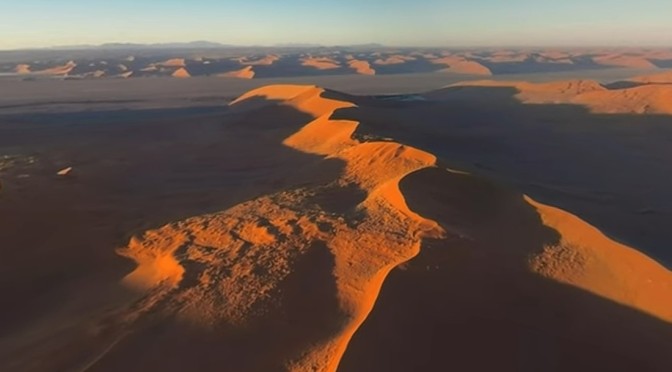
AirPano VR – Namib, Portuguese Namibe, a cool coastal desert extending for 1,200 miles (1,900 km) along the Atlantic coast of Africa from Namibe (formerly Moçâmedes) in Angola southward across Namibia to the Olifants River in the Western Cape province of South Africa. It reaches inland 80 to 100 miles (130 to 160 km) to the foot of the Great Escarpment. The southern portion merges with the Kalahari on the plateau atop the escarpment. Its name is derived from the Nama language, implying “an area where there is nothing.”
The Namib is arid and is almost totally uninhabited, except for a small number of scattered towns. It is important because of the trade routes that cross it, its mineral deposits, the fisheries of the bordering sea, and its increasing utilization for recreational purposes.
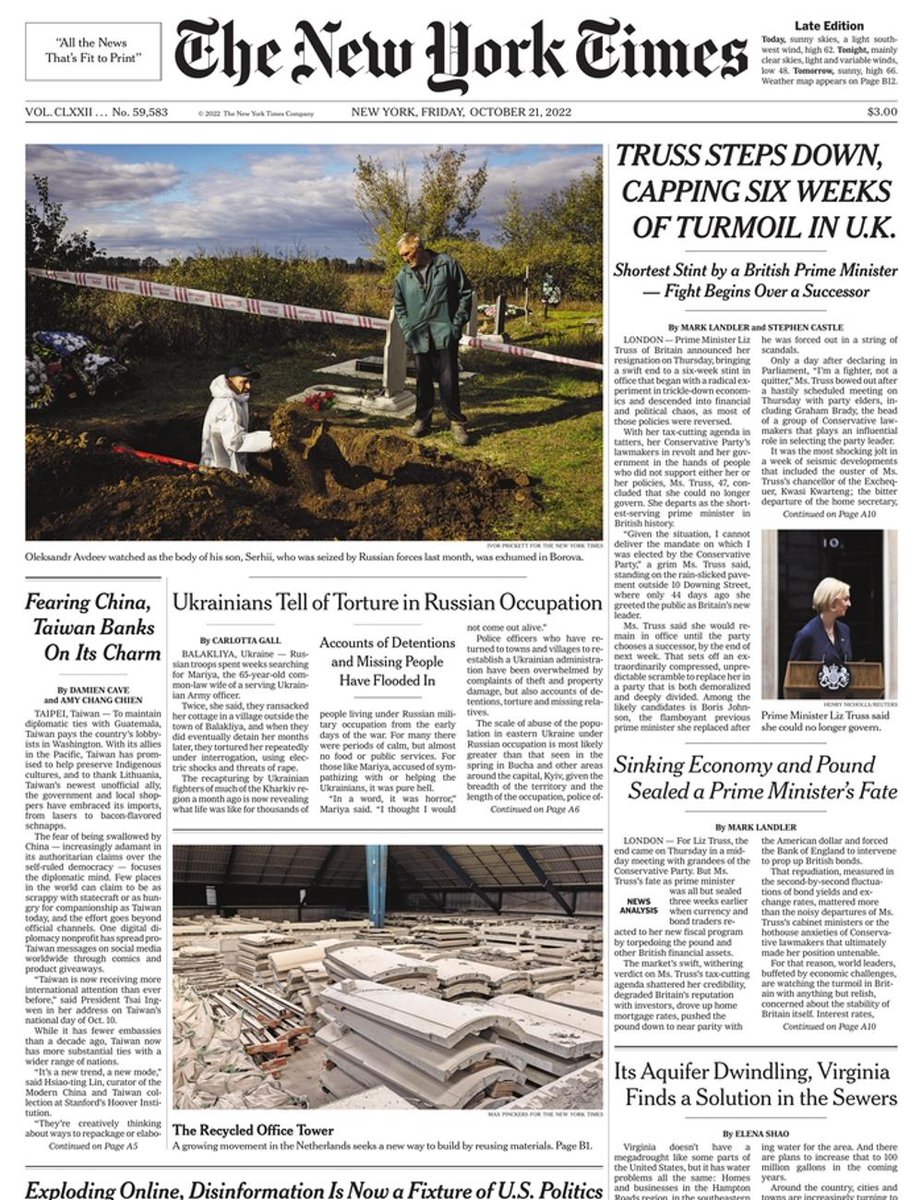
After a chaotic 45 days in office, Liz Truss has stepped down as the UK’s shortest-serving prime minister. Plus: Nigeria prepares for elections, a flick through the day’s papers, and the latest business news.
The beleaguered British prime minister relinquished her office after just 44 days of political and economic tumult, the shortest tenure in British history.
Even as China’s threats on reunification grow more pointed, most recently at the Communist Party congress, Taiwan is working creatively to bolster its alliances.
With Russian soldiers pushed out of parts of the Kharkiv region, Ukrainian investigators have been overwhelmed with accounts of detentions, torture and missing relatives, as well as collaboration and property theft.
Cleveland Clinic – Cataracts in the eye lens are a later-in-life reality that leads to vision problems for many people. This video shares describes what cataracts are, how they form, and warning signs to help you detect them early.
Chapters: 0:00 Intro 0:10 What are cataracts? 0:43 What are the warning signs of cataracts? 2:44 How are cataracts diagnosed? 3:04 Talk to your eye doctor
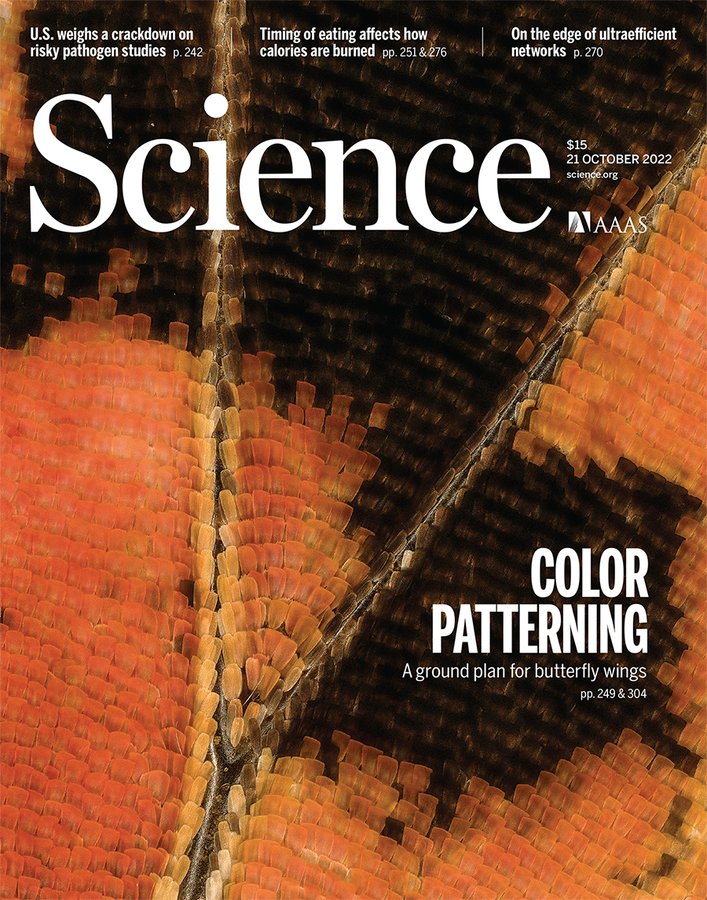
Science Magazine – Butterfly wing patterns are mosaics of colored scales. According to new research, ancient and deeply conserved multifunctional gene regulatory elements play a crucial role in creating these diverse patterns.
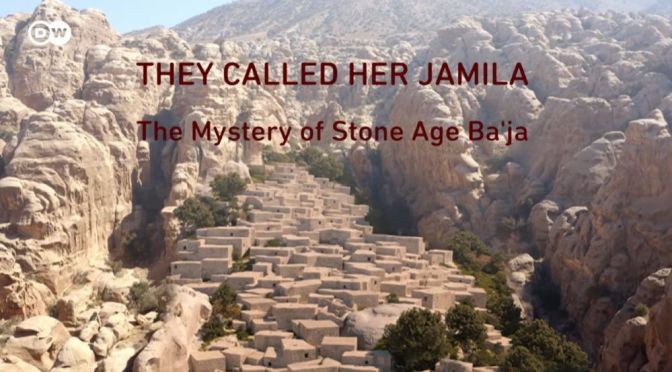
DW Documentary – The Neolithic village of Ba’ja in Jordan
is a famous archaeological site. It was one of the world’s first known settlements, founded some 9,000 years ago. The site has produced magnificent finds including an ancient necklace made of 2,500 beads. What prompted our Neolithic ancestors to settle down? Why did they change their nomadic, hunter-gatherer lives so radically?
As is so often the case in archaeology, it is tombs that tell us the most, while also raising new questions. One of the most magnificent finds at the Ba’ja archaeological site is the richly furnished tomb of a young girl. In 2018, as the excavation team was about to depart, beads emerged from beneath the slab of a nondescript tomb. The team kept working until they finally recovered around 2,500 beads.
Further research showed the beads belonged to an elaborately crafted necklace that had been buried with the girl. The team affectionately christened her Jamila, “the beautiful one.” Jamila’s necklace is a sensation, and has been put on display at the new Petra Museum. There, the entire history of the country is presented, beginning with Ba’ja and humankind’s decision to leave behind the hunter-gatherer lifestyle.
Along with other finds from Ba’ja, Jamila’s finely wrought necklace calls into question much of what we thought we knew about the Stone Age. In recent decades, the burial site in Jordan has helped us see Neolithic people through different eyes. One thing seems clear: They were able to invest time in aesthetics, jewelry and furnishings because their food supply was secure.
Monocle Films – Spain is one of the countries that our
editorshave consistently begged to visit over the years as they attempt to understand its wholesome hidden depths. Here are 10 things that have us hankering for more.
The Woodland Trust – River woodland is key to tackling
thetwin climate and biodiversity crises – reducing flooding, improving river health and restoring the ecosystem. We’re working in England, Scotland, Wales and Northern Ireland to plant and restore river woodland for people and wildlife.
In Scotland, this particularly means fish. Salmon, to be exact. Whole upland river catchments devoid of trees are seeing Scotland’s rivers warm to a point that could see salmon disappear in just 20 years. These fish need clean, cold water to thrive, and river woodland is the way to return it to them. The Woodland Trust is working across river catchments to expand native woodland alongside rivers and burns.
Trees provide shade and cover for young salmon and trout, stabilize riverbanks, slow the flow of water downstream and create wildlife corridors. A key part of this work involves working with landowners to plant and restore river woodland on their land, advising on the initial planting and empowering them to monitor their river woods into the future.
News, Views and Reviews For The Intellectually Curious



 The New Republic – November 2022






 DW Documentary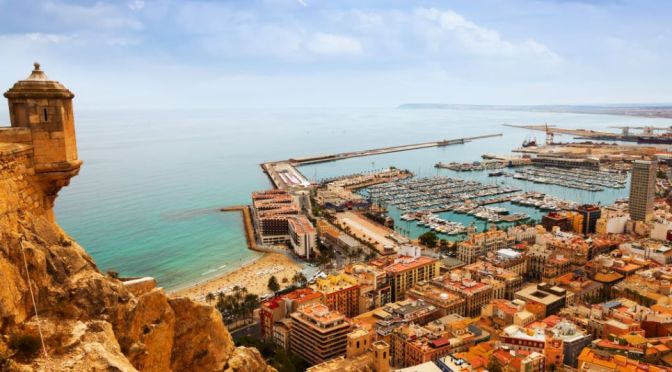
 Monocle Films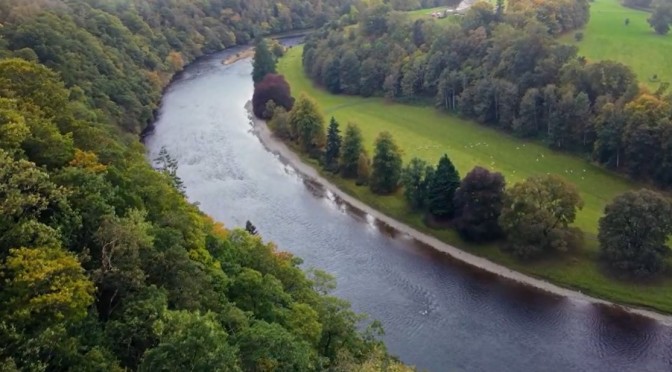
 The Woodland Trust – River woodland is key to tackling
 Boomers Daily