We derived a healthy lifestyle score based on information on five lifestyle factors—diet, smoking, physical activity, alcohol consumption, and body mass index (BMI).
Our findings suggest that promotion of a healthy lifestyle would help to reduce the healthcare burdens through lowering the risk of developing multiple chronic diseases, including cancer, cardiovascular disease, and diabetes, and extending disease-free life expectancy. Public policies for improving food and the physical environment conducive to adopting a healthy diet and lifestyle, as well as relevant policies and regulations (for example, smoking ban in public places or trans-fat restrictions), are critical to improving life expectancy, especially life expectancy free of major chronic diseases.
The average life expectancy in the world has increased substantially in the past few decades. The aging of the population has led to a high prevalence of chronic diseases such as diabetes, cardiovascular disease, and cancer. Although people live longer, older individuals often live with disabilities and chronic diseases. People with chronic diseases including cancer, cardiovascular disease, and diabetes have a shorter life expectancy than do their peers without these chronic conditions. Estimates of the loss in life years due to these chronic conditions range from 7.5 to 20 years, depending on the methods used and the characteristics of the study population.
Estimated life expectancy at age 50 years with and without cancer, cardiovascular disease (CVD), and/or type 2 diabetes among participants of Nurses’ Health Study (women) and Health Professionals Follow-up Study (men) according to levels of individual lifestyle risk factors. Estimates of multivariate adjusted hazard ratios (sex specific) for morbidity and mortality associated with low risk lifestyles compared with people with zero low risk lifestyle factors adjusted for age, ethnicity, current multivitamin use, current aspirin use, family history of diabetes, myocardial infarction, or cancer, and menopausal status and hormone use (women only). AHEI=Alternate Healthy Eating Index; BMI=body mass index; F=fifth. *Cigarettes/day. †Hours/week. ‡Grams/day
Modifiable lifestyle factors including smoking, physical activity, alcohol intake, body weight, and diet quality affect both total life expectancy and incidence of chronic diseases. Studies have shown that smoking, inactivity, poor diet quality, and heavy alcohol consumption contribute up to 60% of premature deaths and 7.4-17.9 years’ loss in life expectancy. Nevertheless, little research has looked at how a combination of multiple lifestyle factors may relate to life expectancy free from the major diseases of diabetes, cardiovascular disease, and cancer.
Palawan, Philippines, one of word’s most beautiful islands seen from sky. This was the first trip with my drone, still trying to get the hang of it, but man what a fabulous place to fly! I traveled from the very north to the very south, this movie takes you along the trip.
– Coron island is one of the most beautiful places I’ve ever, hiding 7 lakes and surrounded by countless gorgeous lagoons. Seeing from the sky is just sick.
– El Nido must be one of the best places on the planet for boat tours and island hopping. So many great places to visit, such gorgeous scenery. Book your own tour to avoid the big crowds! Leave eary as well. If you can afford it of want to splash, there’s some crazy cool accommodation on the islands.
– Long Beach at San Vicente is the country’s longest beach at 14km. Soft white sand, no one on it, except a rediculous amount of sandflies that come alive at sunset.
– Port Barton is wonderful laid back little fishing town that’s great to escape the crowds and do some quiet island hopping tours.
– Honda Bay is famous for island hopping as well, but tourism and they way they handle tourism just seemed to ruin it all. Starfish island for example, has no more starfish.
– South Palawan is really off the beaten track, largely due to safety reasons. Still not sure if I’m brave or stupid, but I went anyway and absolutely loved staying at Bancalan island, which receives averagely 5 visitors a year. There were no facilities for tourists at all, so I ended up renting a room at a family’s house, who cooked for me and my buddy as well. We showered at the waterpump like the locals and slowly were able to make more contact with the shy locals. Spend a few days going out on fishing & island hopping trips, which was incredible and so opposite of El Nido, where there are so many boats, you can barely swim.
We’ve talked about the latest in vehicle tech all year, but at CES 2020, we got to show you. On the show floor, vehicle and automotive companies demonstrated the innovations driving the consumer tech industry forward more safely and effectively.
Media experts share their experiences from the show floor. Guests Anthony Elio, Associate Editor, Innovation & Tech Today Dana Wollman, Editor in Chief, Engadget Matt Swider, Managing Editor, Tech Radar.
Nearly 100 years ago, Charles Ponzi stumbled across a loophole in the international postal system and turned it into one of the most infamous scams of all time. This time on Sidedoor, we follow Ponzi from his early days until his epic downfall, and hear from a postal investigator trained to catch swindlers like Ponzi who continue to use the U.S. mail for nefarious purposes.
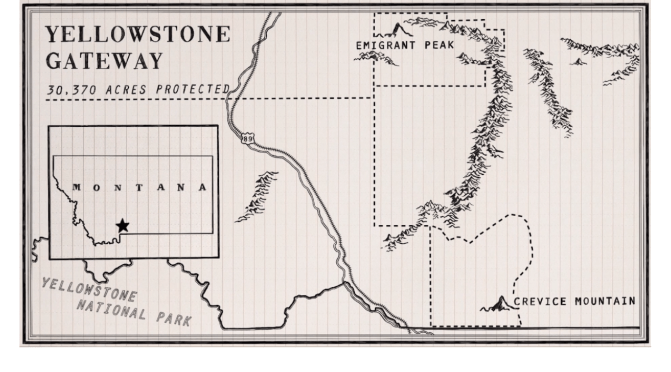
Protecting Wild Lands and Waters of Yellowstone Gateway
To protect the Yellowstone Gateway from the threat of industrial-scale gold mining by securing a permanent mineral withdrawal that prevents mining activity in 30,000 acres of National Forest lands in the Absaroka Beartooth mountains.
Getting into an MRI machine can be a tight fit for just one person. Now, researchers interested in studying face-to-face interactions are attempting to squeeze a whole other person into the same tube, while taking functional MRI (fMRI) measurements. Staff Writer Kelly Servick joins host Sarah Crespi to talk about the kinds of questions simultaneous fMRIs might answer.
Also this week, Sarah talks with Igor Grossman, director of the Wisdom and Culture Lab at the University of Waterloo, about his group’s Science Advances paper on public perceptions of the difference between something being rational and something being reasonable.
Paul Nash (11 May 1889 – 11 July 1946) was a British Surrealist painter and war artist, as well as a photographer, writer and designer of applied art. Nash was among the most important landscape artists of the first half of the twentieth century. He played a key role in the development of Modernism in English art.
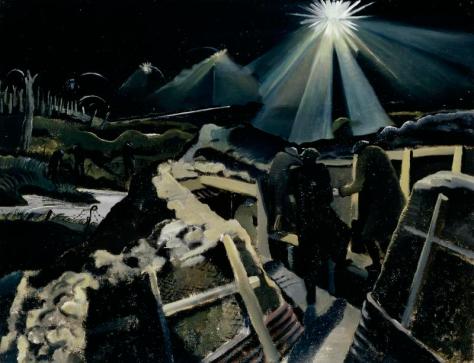
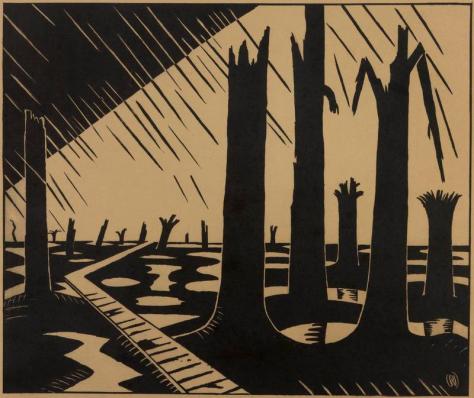
Paul Nash: The Ypres Salient at Night, 1918.PAUL NASH in a woodcut self-portrait (1923)
Born in London, Nash grew up in Buckinghamshire where he developed a love of the landscape. He entered the Slade School of Art but was poor at figure drawing and concentrated on landscape painting. Nash found much inspiration in landscapes with elements of ancient history, such as burial mounds, Iron Age hill forts such as Wittenham Clumps and the standing stones at Avebury in Wiltshire. The artworks he produced during World War I are among the most iconic images of the conflict. After the war Nash continued to focus on landscape painting, originally in a formalized, decorative style but, throughout the 1930s, in an increasingly abstract and surreal manner. In his paintings he often placed everyday objects into a landscape to give them a new identity and symbolism.
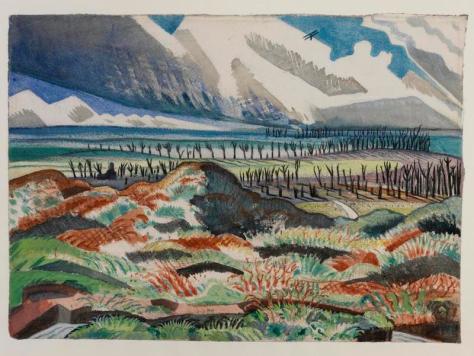
Paul Nash: Ruined Country – Old Battlefield, Vimy, near La Folie Wood, 1918.
Official World War I Artist – In November 1917 Nash returned to the Ypres Salient as a uniformed observer with a batman and chauffeur. At this point the Third Battle of Ypres was three months old and Nash himself frequently came under shellfire after arriving in Flanders. The winter landscape he found was very different from the one he had last seen in spring. The system of ditches, small canals and dykes which usually drained the Ypres landscape had been all but destroyed by the constant shellfire. Months of incessant rain had led to widespread flooding and mile upon mile of deep mud. Nash was outraged at this desecration of nature. He believed the landscape was no longer capable of supporting life nor could it recover when spring came. Nash quickly grew angry and disillusioned with the war and made this clear in letters written to his wife. One such written, after a pointless meeting at Brigade HQ, on 16 November 1917 stands out,
I have just returned, last night from a visit to Brigade Headquarters up the line and I shall not forget it as long as I live. I have seen the most frightful nightmere of a country more conceived by Dante or Poe than by nature, unspeakable, utterly indescribable. In the fifteen drawings I have made I may give you some idea of its horror, but only being in it and of it can ever make you sensible of its dreadful nature and of what our men in France have to face. We all have a vague notion of the terrors of a battle, and can conjure up with the aid of some of the more inspired war correspondents and the pictures in the Daily Mirror some vision of battlefield; but no pen or drawing can convey this country—the normal setting of the battles taking place day and night, month after month. Evil and the incarnate fiend alone can be master of this war, and no glimmer of God’s hand is seen anywhere. Sunset and sunrise are blasphemous, they are mockeries to man, only the black rain out of the bruised and swollen clouds all though the bitter black night is fit atmosphere in such a land. The rain drives on, the stinking mud becomes more evilly yellow, the shell holes fill up with green-white water, the roads and tracks are covered in inches of slime, the black dying trees ooze and sweat and the shells never cease. They alone plunge overhead, tearing away the rotting tree stumps, breaking the plank roads, striking down horses and mules, annihilating, maiming, maddening, they plunge into the grave, and cast up on it the poor dead. It is unspeakable, godless, hopeless. I am no longer an artist interested and curious, I am a messenger who will bring back word from the men who are fighting to those who want the war to go on for ever. Feeble, inarticulate, will be my message, but it will have a bitter truth, and may it burn their lousy souls.”
Paul Nash: Void of War, 1918.
Nash’s anger was a great creative stimulus which led him to produce up to a dozen drawings a day. He worked in a frenzy of activity and took great risks to get as close as possible to the frontline trenches. Despite the dangers and hardship, when the opportunity came to extend his visit by a week and work for the Canadians in the Vimy sector, Nash jumped at the chance. He eventually returned to England on 7 December 1917.
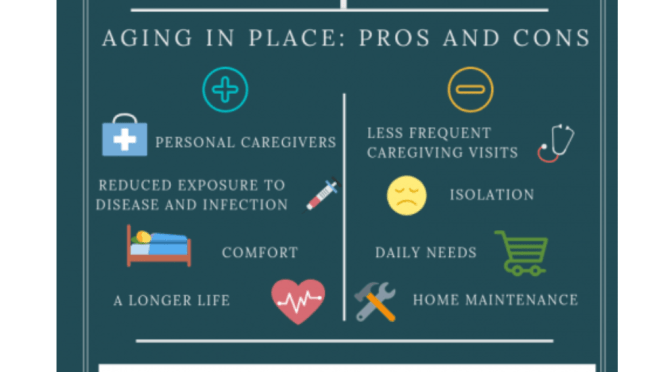
The 65-and-older population is the fastest-growing age group in the world. In this video, Stony Brook experts discuss the challenges facing this burgeoning population and their caregivers, and the technology that can facilitate happy, healthy and safe aging.
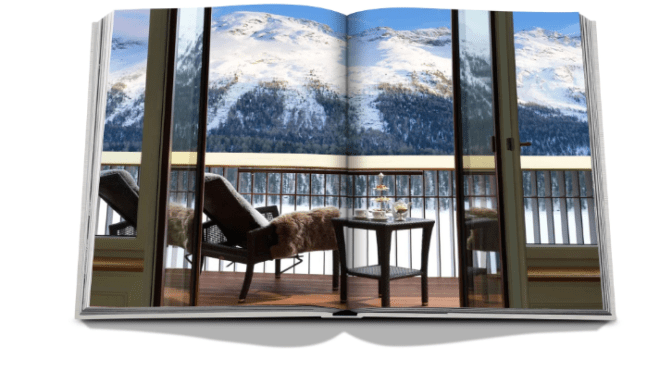
St. Moritz also takes readers on a majestic tour of its special events, from Winter Olympics to the annual Snow Polo World Cup, as well as the summertime Jazz Festival and the British Classic Car Meeting. In St. Moritz creatives and royals share skiwassers slope-side on the sheepskin benches of El Paradiso, pause to sip champagne on long strolls around its frozen, crystalline lake and enjoy coffee and confections at the centuries old Hanselmann. St. Moritz has never lost its inimitable appeal, and will continue to reign as an elegant hideaway for all those who have come to call it a home away from home.
Nestled in Switzerland’s alpine Engadin Valley, St. Moritz stands on its own amidst a sea of celebrated ski resorts in that it has long maintained an elusive allure. The winter home of personalities from Gunter Sachs and Gianni Agnelli to Sofia Loren, Elizabeth Taylor, Audrey Hepburn, John Lennon, and Claudia Schiffer, there are few places in the world that manage to unite so many of the top names in cinema, art, and fashion all in one place, year after year. Author Dora Lardelli takes the reader on a journey through Chanel and Hitchcock’s favorite haunts and the hidden parties at Badrutt’s Palace where royalty goes to play, without forgetting the natural beauty, village charm and architectural mastery that define it.
Becoming an Age-Friendly Health System entails reliably acting on a set of four evidence-based elements of high-quality care and services, known as the “4Ms,” for all older adults. When implemented together, the 4Ms represent a broad shift to focus on the needs of older adults:
(1) What Matters: Know and align care with each older adult’s specific health outcome goals and care preferences including, but not limited to, end-of-life care and across settings of care;
(2) Medication: If medication is necessary, use Age-Friendly medication that does not interfere with What Matters to the older adult, Mobility, or Mentation across settings of care;
(3) Mentation: Prevent, identify, treat, and manage dementia, depression, and delirium across settings of care; and
(4) Mobility: Ensure that older adults move safely every day to maintain function and do What Matters
The Age-Friendly Health Systems movement, initiated in 2017, recognizes that an all-in, national response is needed to embrace the health and well-being of the growing older adult population. Like public health, health systems, including payers, hospitals, clinics, community-based organizations, nursing homes, and home health care, need to adopt a new way of thinking that replaces unwanted care and services with aligned interventions that respect older adults’ goals and preferences. Becoming an Age-Friendly Health System entails reliably acting on a set of four evidence-based elements of high-quality care and services, known as the “4Ms,” for all older adults.


 Our findings suggest that promotion of a healthy lifestyle would help to reduce the healthcare burdens through lowering the risk of developing multiple chronic diseases, including cancer, cardiovascular disease, and diabetes, and extending disease-free life expectancy. Public policies for improving food and the physical environment conducive to adopting a healthy diet and lifestyle, as well as relevant policies and regulations (for example, smoking ban in public places or trans-fat restrictions), are critical to improving life expectancy, especially life expectancy free of major chronic diseases.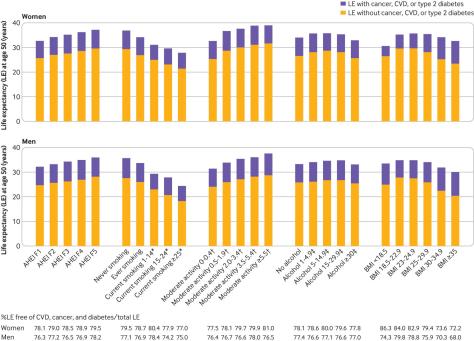








 Getting into an MRI machine can be a tight fit for just one person. Now, researchers interested in studying face-to-face interactions are attempting to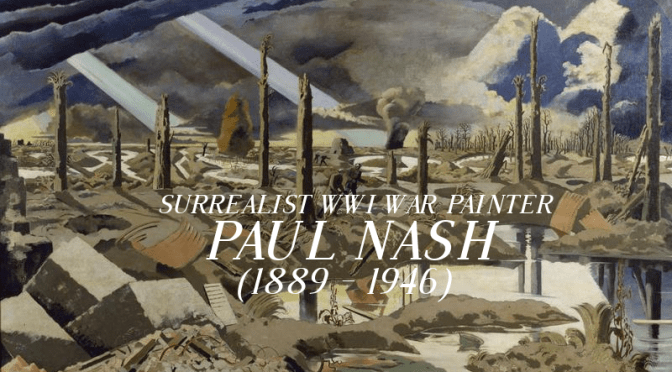

 St. Moritz also takes readers on a majestic tour of its special events, from Winter Olympics to the annual Snow Polo World Cup, as well as the summertime Jazz Festival and the British Classic Car Meeting. In St. Moritz creatives and royals share skiwassers slope-side on the sheepskin benches of El Paradiso, pause to sip champagne on long strolls around its frozen, crystalline lake and enjoy coffee and confections at the centuries old Hanselmann. St. Moritz has never lost its inimitable appeal, and will continue to reign as an elegant hideaway for all those who have come to call it a home away from home.
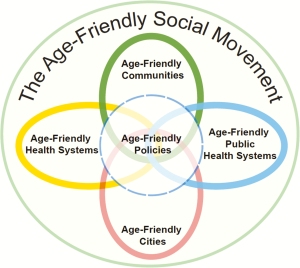 Becoming an Age-Friendly Health System entails reliably acting on a set of four evidence-based elements of high-quality care and services, known as the “4Ms,” for all older adults. When implemented together, the 4Ms represent a broad shift to focus on the needs of older adults: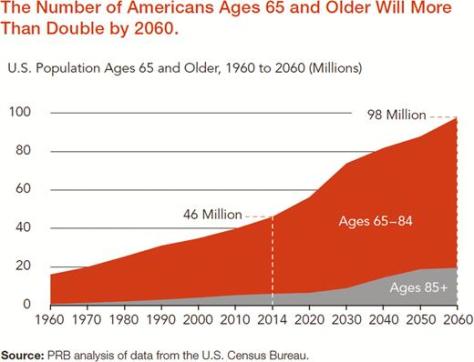
 Boomers Daily