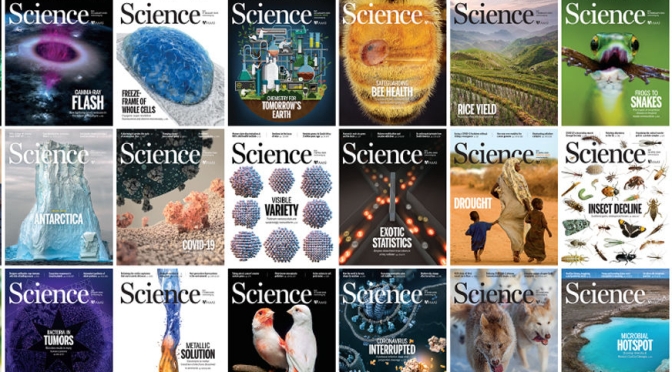
Science Magazine – November 30, 2023:The new issue cover features a chinstrap penguin (Pygoscelis antarcticus) cares for a chick while its partner catches a quick nap.
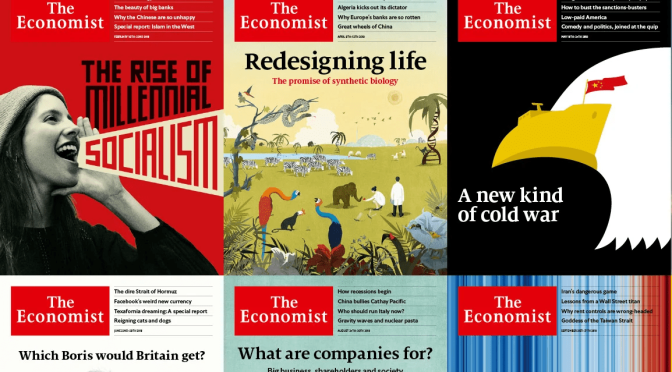
The Economist Magazine (November 30, 2023): The latest issue features ‘Blue-Collar Bonanza’ – Why conventional wisdom on inequality is wrong; Is Putin winning?; America’s most conservative court; Political Islam after Gaza, and more…
Few ideas are more unshakable than the notion that the rich keep getting richer while ordinary folks fall ever further behind. The belief that capitalism is rigged to benefit the wealthy and punish the workers has shaped how millions view the world, whom they vote for and whom they shake their fists at. It has been a spur to political projects on both left and right, from the interventionism of Joe Biden to the populism of Donald Trump. But is it true?
Old stereotypes are haunting the Middle East once more. The biggest butchery of Israeli civilians since the state’s creation, carried out on October 7th, has been followed by a slaughter of Palestinian civilians. America, which has funded, armed and defended Israel is again an object of ire. So are its Western allies. Together they are blamed for facilitating Gaza’s pummelling and the displacement of its people. A truce which began on November 24th, and which was set to expire as The Economist went to press, had led to the release of 81 hostages and 180 Palestinian detainees as of November 28th.
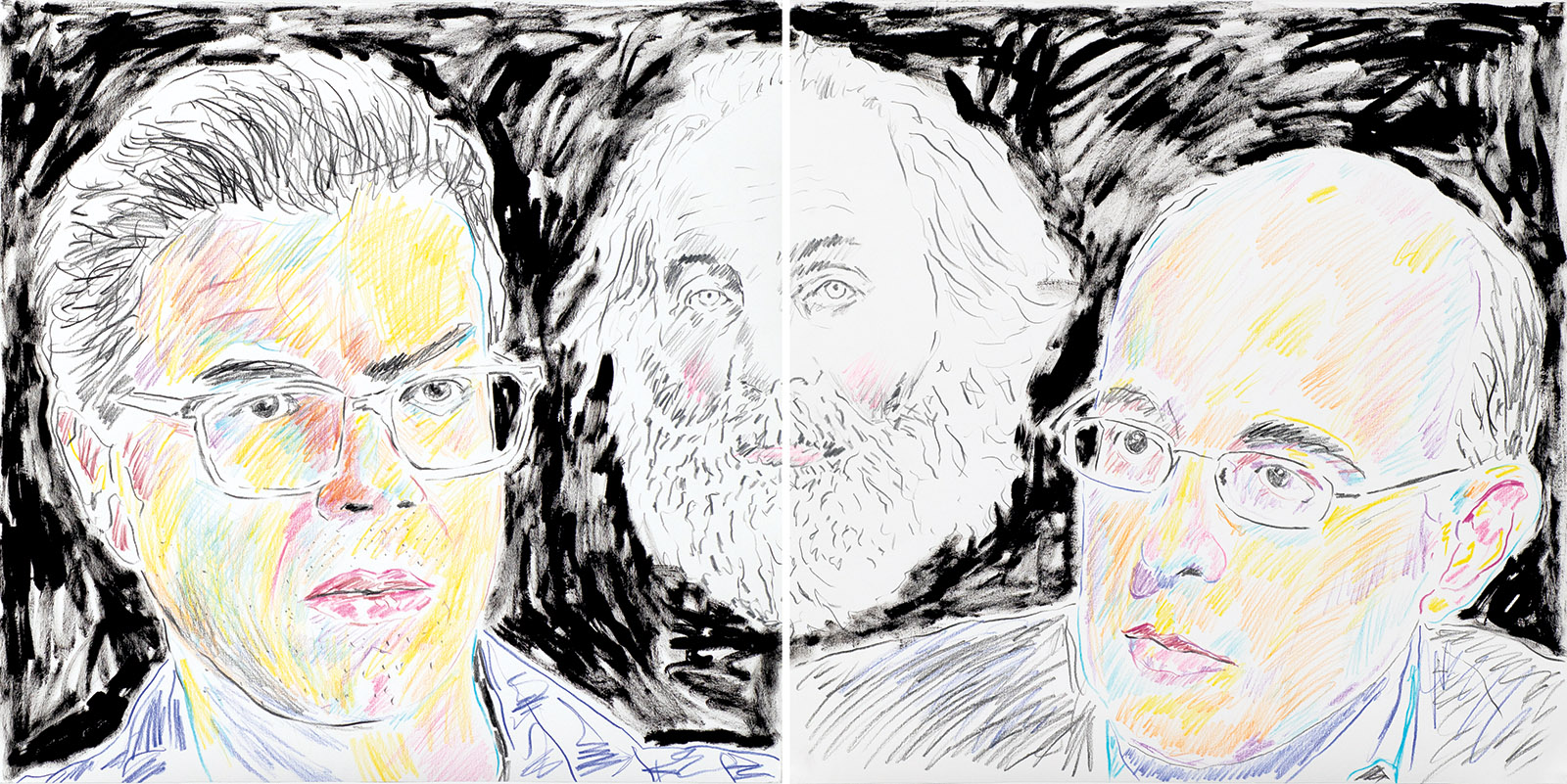
The New York Review of Books (December 21, 2023 Issue) – The latest issue features—the Holiday Issue—with Susan Tallman on William Kentridge, David Shulman on violence in the West Bank, Neal Ascherson on Timothy Garton Ash’s Europe, Elaine Blair on what we talk about when we talk about porn, Rebecca Giggs on the return of dinosaurs, Kathryn Hughes on Jane Austen’s fashion, Mark O’Connell on Werner Herzog, Linda Greenhouse on Covid in the courts, Gabriel Winslow-Yost on Bill Watterson’s first book since Calvin and Hobbes, John Banville on liberalism after Hobbes, poems by Lindsay Turner and Greg Delanty, and much more.
Imagine a festive dinner near Topeka during the fall of 1879 to celebrate the twenty-fifth anniversary of the founding of the Kansas Territory, with Walt Whitman as a featured speaker. Partially paralyzed by a stroke and described as “reckless and vulgar” by The New York Times—Leaves of Grass was soon to be banned for indecency by the Boston district attorney—Whitman, who had just turned sixty, may well have wondered why he, instead of some respectable graybeard like Emerson, was invited. Was it because he had defended John Brown, the hero of free-soil Kansas? Or was it hoped that a visit might inspire something like his 1871 “Song of the Exposition,” in which Whitman admonished the Muse:
Migrate from Greece and Ionia, Cross out please those immensely overpaid accounts, That matter of Troy and Achilles’ wrath… For know a better, fresher, busier sphere, a wide, untried domain awaits, demands you.
Hatzegopteryx, a giant pterosaur that lived around 66 million years ago on a subtropical island in what is now Romania; from Prehistoric Planet
Nature documentary has of late become a haunted genre. Not so Prehistoric Planet, which revels in portraying that which is already dead and gone, no longer our responsibility.
One early myth about the dinosaurs was that they would return. In 1830 Charles Lyell—earth scientist, Scot—gazed into the far future and posited as much in his Principles of Geology, arguing that since the planet’s climate was cyclical (or so he believed), vanished creatures could yet be revived, along with their habitats, when the right conditions came back around: “The huge iguanodon might reappear in the woods, and the ichthyosaur in the sea, while the pterodactyl might flit again through umbrageous groves of tree-ferns.” As to whether people would get to witness the spectacle of this resurrected bestiary—well, if Lyell was never drawn to that question, it was because the answer was not up for debate. His was an age in which the prospect of Earth bereft of human occupancy was too abominable, too sacrilegious, to contemplate.
PBS NewsHour (November 29, 2023) – The great painter John Singer Sargent, an American expat, is the subject of a new show at Boston’s Museum of Fine Arts. It reveals much about his methods and why his work remains relevant more than a hundred years later.
The Globalist Podcast (November 30, 2023) – As Cop 28 begins in Dubai, Politico’s Suzanne Lynch discusses the controversy over the UAE’s motives for hosting the summit and what is expected to come out of it.
Also, William Yang on Taiwan’s economic ties with India, a Saudi Arabian investment fund’s purchase of a stake in Heathrow, Interpol’s centenary and why France tops our Soft Power Survey.
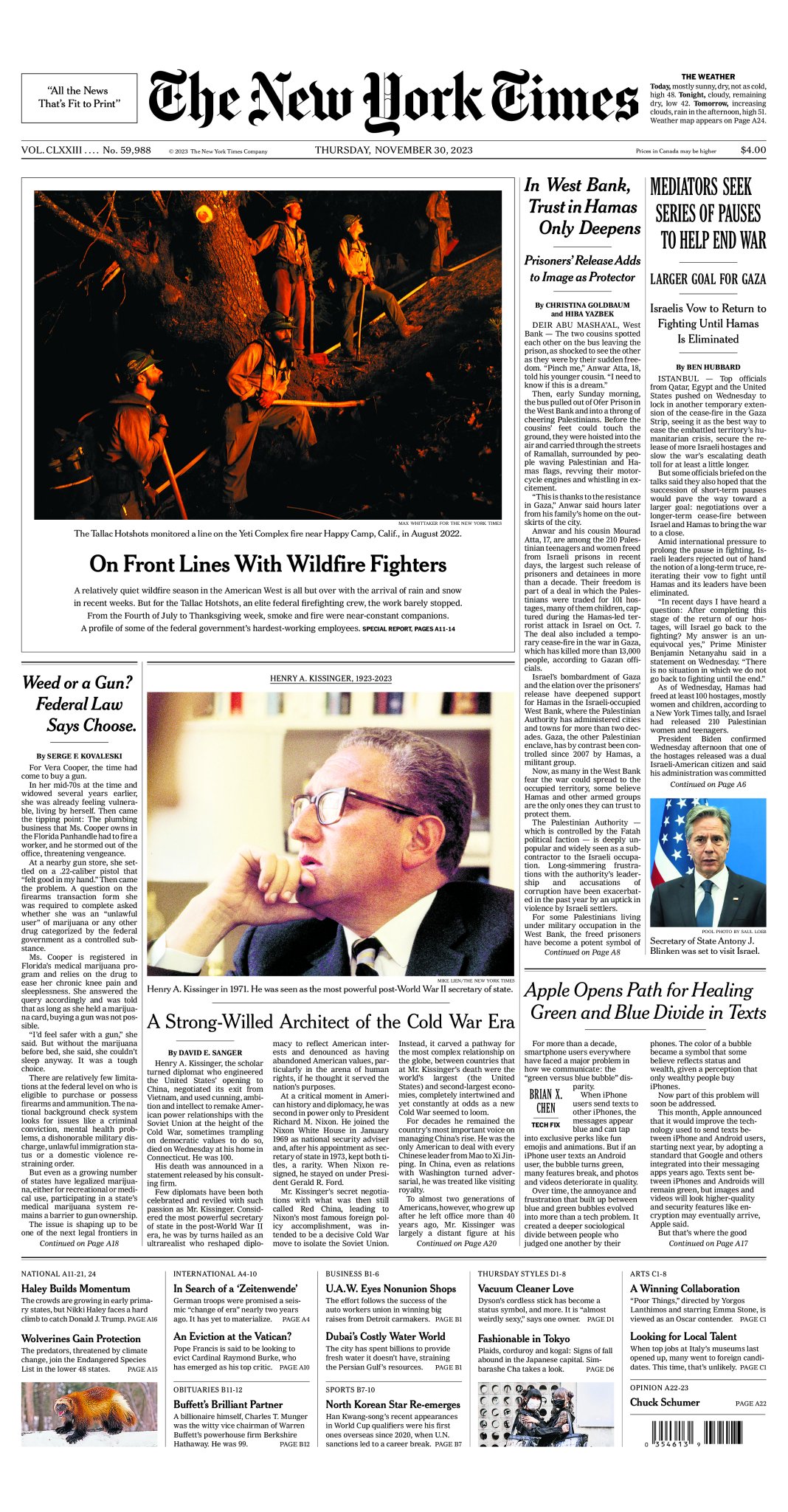
The most powerful secretary of state of the postwar era, he was both celebrated and reviled. His complicated legacy still resonates in relations with China, Russia and the Middle East.
Officials from Qatar, Egypt and the U.S. hope that a succession of pauses will pave the way toward a larger goal: bringing the war to a close.
In the West Bank, Release of Prisoners Deepens Support for Hamas
Some people in the West Bank, where frustration with the Palestinian Authority has been simmering for years, believe Hamas and other armed groups are the only ones they can trust to protect them.
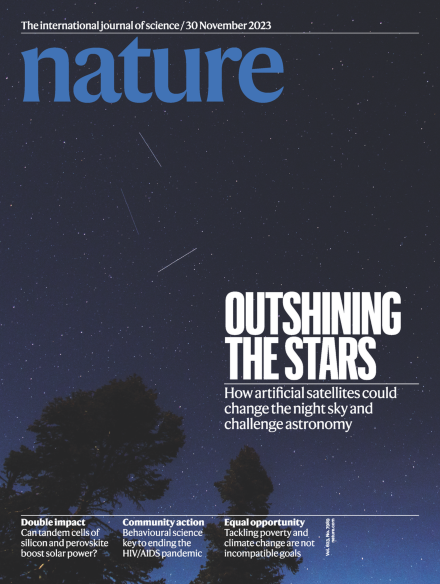
Nature Magazine – November 29, 2023:The latest issue cover features trails left by satellites, including BlueWalker 3, a prototype communications satellite, as they pass across the sky.
The Guardian Weekly (November 29, 2023) – The new issue features the ceasefire between Israel and Hamas may have been weeks in the making– as detailed this week by Julian Borger and Ruth Michaelson – and led to the release of dozens of hostages on either side, but behind the scenes there was little expectation that it would lead to a longer-term pause in hostilities.
In a special report, almost two months after the deadliest attack on Israel in its 75-year history and as the world focuses on its retaliatory bombardment of Gaza that has seen around 14,000 people killed, Jonathan Freedland finds a country still convulsed with rage and sorrow, unable to see the pain of its Palestinian neighbours as it faces an uncertain future. As one senior Israeli military figure remarked: “It’s not yet post-traumatic stress disorder. We’re still in it.”
The far-right politician Geert Wilders stunned onlookersby finishing well ahead of the field in the Dutch election last week. But race riots in Ireland, a country previously thought immune to such extremism, were equally shocking. Rory Carroll, Lisa O’Carroll and Jon Henley report on contrasting manifestations of the rise of the far right across Europe.
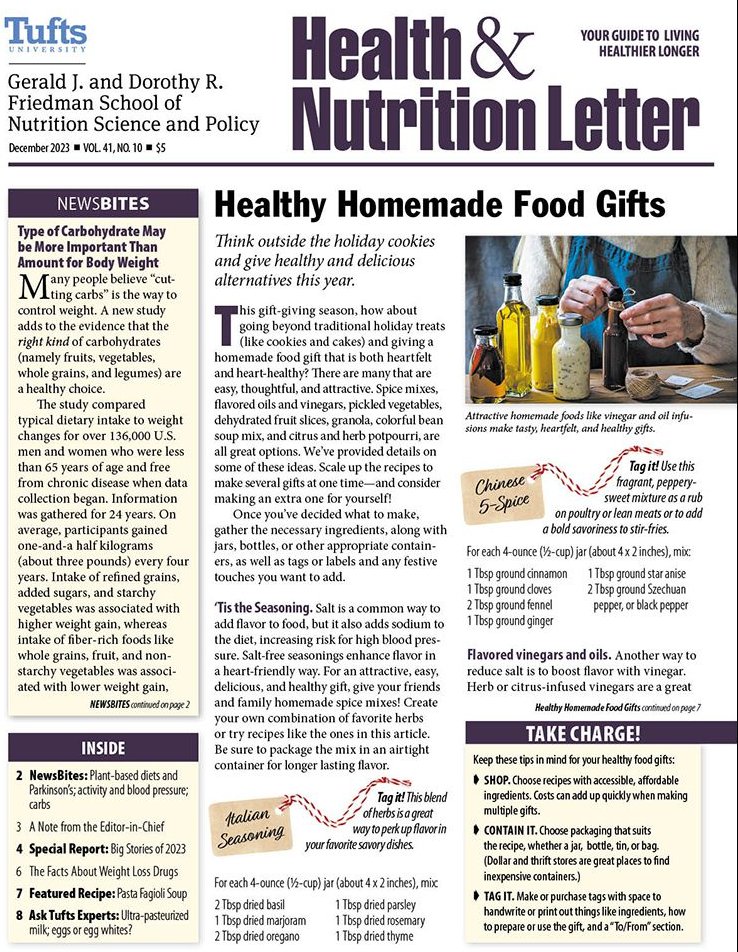
Tufts Health & Nutrition Letter (DECEMBER 2023): The new issue features Type of Carbohydrate May be More Important Than Amount for Body Weight; Beware of “Health-Washing” – Front package health claims can be misleading; Sweetened Beverages and Risk of Adverse Liver Outcomes…
Front-of-package health claims can be helpful—but they can also be misleading. Learn how to tell the difference.
Some health claims on packages or in advertising may be inappropriate or even misleading. This is sometimes referred to as “health-washing.”
Common Claims. Even FDA-approved claims (like organic, “non” or “free,” reduced, light, natural, and naturally raised) don’t guarantee the food or beverage is an overall healthy choice. Here are some red flags to look out for:
Organic, gluten-free. Desserts, breads, and cereals made with organic ingredients and/or gluten-free flour can still be full of refined carbohydrates, sugar, or salt, and not much better for your health than the regular versions.
Type of Carbohydrate May be More Important Than Amount for Body Weight
Times Literary Supplement (December 1, 2023): The new issue features Godzilla returns! – Japan’s nuclear nightmare; Fear of flying at 50; Woolf and the Monuments woman; The lure of Vesuvius, Christmas Books and more…












 PBS NewsHour













 Boomers Daily