From Germany via Poland, the Czech Republic, Slovakia and Hungary to Rumania – that’s the route our two DW reporters Shabnam Surita and Laila Abdalla took. They travelled all the way through Central and Eastern Europe to find out how the Russian war against Ukraine is affecting tourism in its neighboring countries.
Cities visited: Wroclaw, Prague, Bratislava, Budapest and Timisoara.
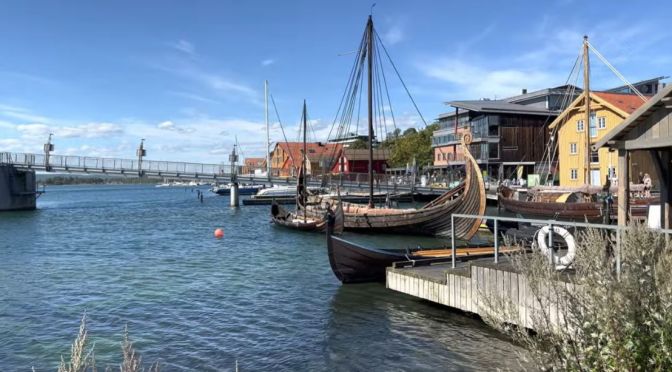
Tønsberg, town, southeastern Norway, at the head of Tønsbergfjorden. Considered to be the oldest town in Norway, Tønsberg was founded c. AD 871 and became an important trading centre. In the 13th century King Håkon Håkonsson built his castle, Tønsberghus, there.
The town was destroyed by fire in 1536 and only in the 18th and 19th centuries did it become a major port and one of Norway’s major shipping and whaling centres. Until the late 1960s it was Norway’s third largest maritime town. Tønsberg remains an industrial and shipping centre, with such diverse concerns as metal shops, shipyards, paper mills, leather processing, and breweries; it is noted especially for its silverware.
Tourist sites include ruins of the Tønsberghus, St. Michael’s Church (c. 1150), the ruins of the Royal Castle (1276), Sem Church (c. 1100), and the Vestfold Museum.
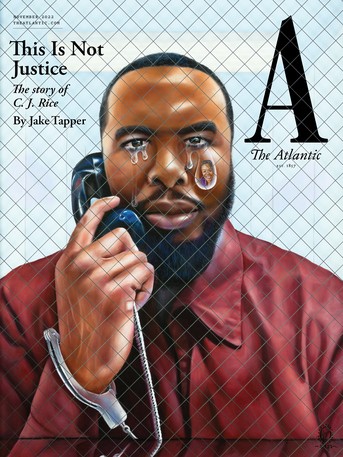
The empty promise of the Sixth Amendment, Siegfried & Roy’s rise and fall, a Guggenheim scapegoat, and independence for Puerto Rico. Plus stopping election deniers, Atlanta hip-hop, Orhan Pamuk, ABBA Voyage, a bygone Boston, new fiction, and more.
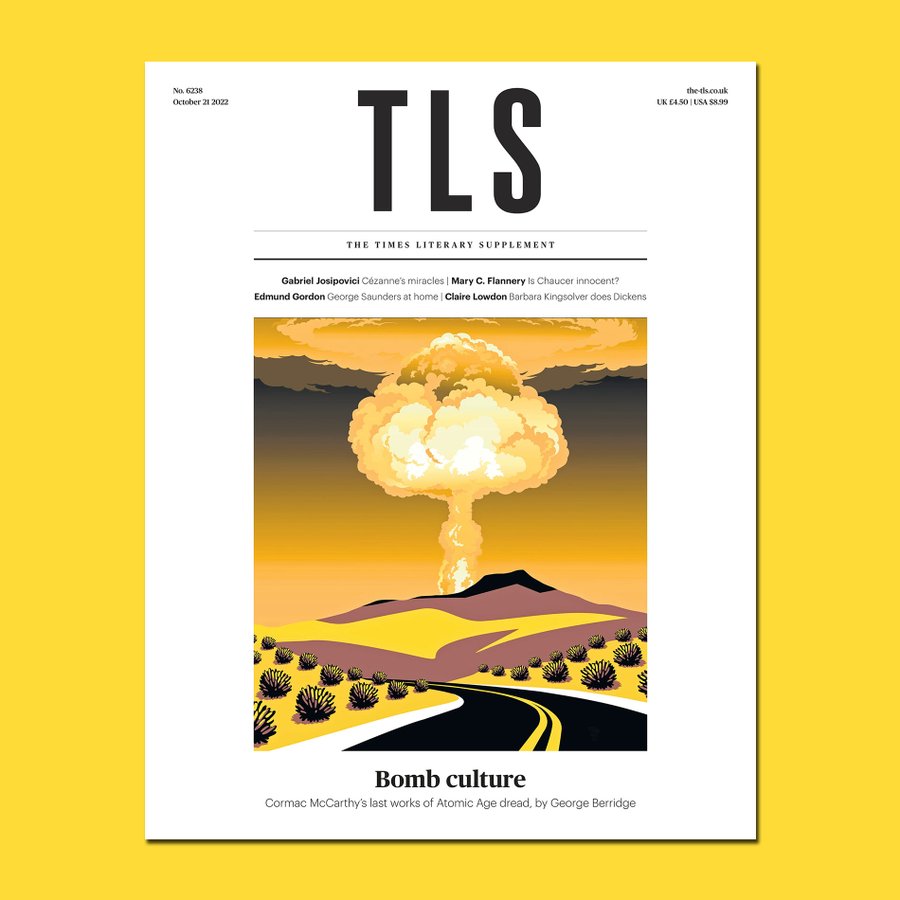
This week’s issue of the TLS, featuring @George_Berridge , Claire Lowdon and Edmund Gordon on new books by Cormac McCarthy, Barbara Kingsolver and George Saunders, respectively; Gabriel Josipovici on Cézanne; @15thcgossipgirl on Chaucer’s innocence; @rinireg on hatred – and more.
We repot on Ukraine’s spiraling energy crisis as a third of the country’s power stations are destroyed. Plus: the Tigray conflict in Ethiopia escalates, a flick through the day’s papers, and the latest business news.
The stepped-up attacks on cities, including through the heavy use of Iranian-made exploding drones, threaten a new sort of humanitarian crisis for Ukrainians this winter.
John H. Durham, the special counsel who investigated the Russia inquiry for more than three years, failed to develop any cases that resulted in convictions.
Yongwook Seong created a Sci-Fi themed architecture series (Title: Banff Extraterrestrial Park) by experimenting AI-generated images via Midjourney. The project unfolds from Extraterrestrial 006 visiting Banff and terraforming it to construct a tourist park as part of the Earth revitalization project.
During research, 006 saw Mycelium fungi as an ideal local building material, experimenting it with their stardusts. Sky lounges grow themselves at the extraterrestrial-level strength and stability.
High-Rise Hoodoos became one of the main attractions at Banff Extraterrestrial Park.
Stardust drones are constructing (Ex) terrestrial town. These drones are autonomous builders under the direction of Extraterrestrial Architect.
Yongwook Seong [ joŋuk sʌŋ ] is a designer, holding a Master of Architecture degree from University of British Columbia, Vancouver. His interest lies in various fields including architecture, furniture design, lighting design, visual arts and etc. He lives in Banff, AB, Canada.
The Galapagos Islands are home to some of the most unspoiled nature in the world. But even here plastic waste is a problem, and biodiversity is under threat. Marine biologists and conservationists are campaigning for the expansion of protected zones. The fauna and flora of the Galapagos Islands in the Pacific Ocean is a treasure trove for marine biologists.
They still know very little about many of the fish, rays and sea turtles that can be found here. But these days, their work is focused primarily on conservation, because many of these species are endangered due to threats such as overfishing and boat strikes. Efforts to protect local wildlife include attaching tracking devices to juvenile hammerhead sharks to determine their migration routes, which can then be designated as protected areas.
Other research teams are focused on the problem of plastic waste in the Pacific – identifying where it comes from and exploring its impact on marine life. Meanwhile, local fishermen are under pressure: Large fishing fleets from China and elsewhere ply the waters near the Galapagos Islands, severely depleting fish stocks. As a result, local fishing boats are forced to move into designated conservation zones. If the delicate marine environment surrounding the Galapagos Islands is to survive, fishing needs to become more sustainable.
“Diverse aging populations, vulnerable to chronic disease, are at the cusp of a promising future. Indeed, growing regenerative options offer opportunities to boost innate healing, and address aging-associated decline. The outlook for an extended well-being strives to achieve health for all,”
Regenerative medicine could slow the clock on degenerative diseases that often ravage the golden years, a Mayo Clinic study finds. Life span has nearly doubled since the 1950s, but health span — the number of disease-free years — has not kept pace. According to a paper published in NPJ Regenerative Medicine., people are generally living longer, but the last decade of life is often racked with chronic, age-related diseases that diminish quality of life. These final years come with a great cost burden to society.
Researchers contend that new solutions for increasing health span lie at the intersection of regenerative medicine research, anti-senescent investigation, clinical care and societal supports. A regenerative approach offers hope of extending the longevity of good health, so a person’s final years can be lived to the fullest.















 Boomers Daily