
Monthly Archives: October 2021

Morning News: NATO Expels Russian Diplomats, Peru Politics, World Art
We discuss Nato’s move to expel eight Russian diplomats and ask about the wider fallout for the military alliance. Plus: Peru’s cabinet shuffle and a round-up of the latest art news.
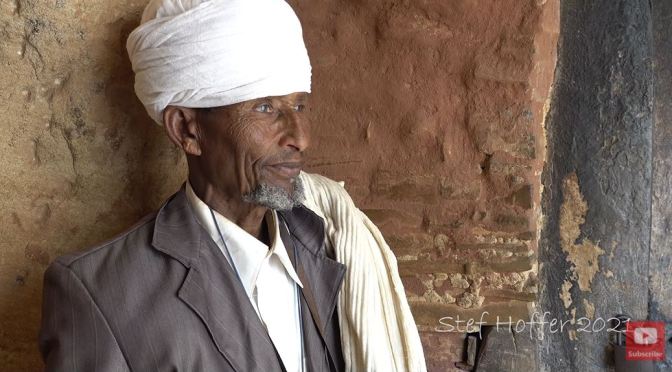
Views: Journey Through Ethiopia In Eastern Africa
Ethiopia is one of Africa’s most beautiful and fascinating countries, and a surprising travel destination. From spectacular mountain landscapes and national parks to vast lakes and mysterious deserts. From incredible wildlife to intriguing historic landmarks. From vibrant, fast growing cities to small villages and tribal regions, steeped in culture and traditions. In this documentary style video, I will show you 10 beautiful places I visited, on a one-month journey through Ethiopia in 2019. I remember the smiles and welcoming attitude of the people, the incredible food, remarkable monuments, the stunning natural and urban landscapes. In all fairness, this was one of my best travels yet.
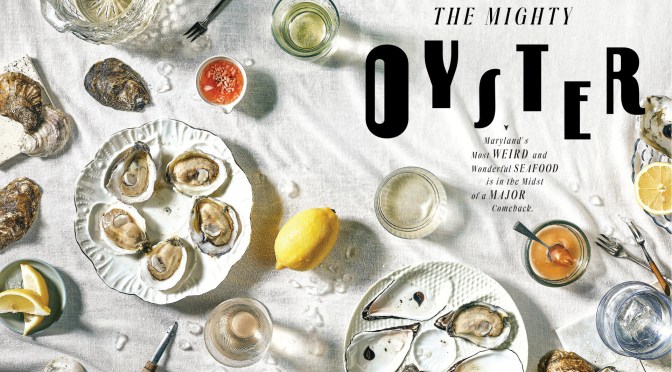
Food Stories: “The Mighty Oyster” In Baltimore Magazine – October 2021
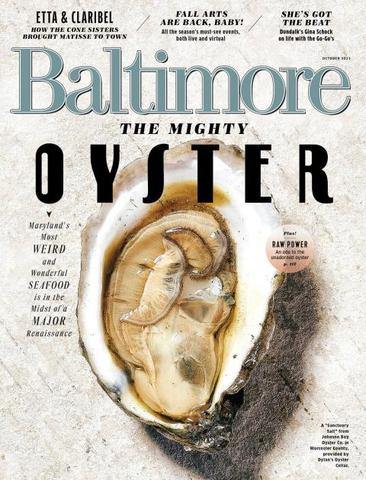
BY LYDIA WOOLEVER
“The largest genuine Maryland oyster—the veritable bivalve of the Chesapeake, still to be had at oyster roasts down the river and at street stands along the wharves—is as large as your open hand,” wrote Mencken in 1913. “A magnificent, matchless reptile! Hard to swallow? Dangerous? Perhaps to the novice, the dastard. But to the veteran of the raw bar, the man of trained and lusty esophagus, a thing of prolonged and kaleidoscopic flavors, a slow slipping saturnalia, a delirium of joy!”
H.L. MENCKEN WAS ONTO SOMETHING when he declared the Chesapeake Bay the “immense protein factory.” Abundant with marine life, the nation’s largest estuary has fed its inhabitants for millennia. And while there have always been crabs and rockfish, one species in particular has stood out as an especially vital source of edible and ecological significance. Ugly, strange, sexy, controversial—the small but mighty oyster.
We know, we know. They’re not for everyone. But for anyone living in Maryland—let alone in Baltimore, which was once known as Oyster City—the peculiar, polarizing, pivotal creature is more than just a slippery shellfish. In fact, it’s quite worthy of the title “natural wonder:” a tiny filter feeder so environmentally advantageous that it could once clean the entire bay in a matter of days. A teeny reef builder whose homemade habitats provide shelter for other species but also protection from natural disasters and climate change. A tasty specimen of seafood that built towns, ignited wars, and served as an economic powerhouse—forever imprinting on our cuisine and sense of place.
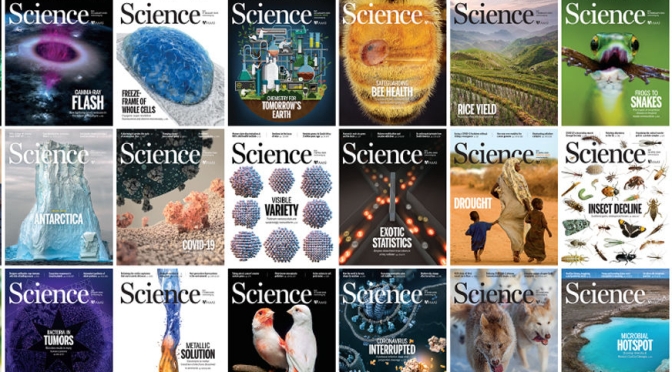
Front Covers: Science Magazine – October 8

Prescription Drugs: U.S. Profits For Big Pharma

Aviation: A Pilot Explains Autopilot Technology
Think of autopilot like cruise control on a car. Autopilot is used on nearly every flight, but it’s not obvious just what it does. American Airlines Capt. Sonya Laxo explains the tech behind autopilot, how it’s used and why it isn’t really “auto.” Photo Illustration: Laura Kammermann

Interviews: Austrian Chef Wolfgang Puck At Spago In Budapest, Hungary
Meet Wolfgang Puck, world-renowned master chef and restaurateur, from his Budapest restaurant outpost Spago. Here he answers our burning questions on all things travel and foodie related – from growing up in Austria and learning to cook in France, to the five-course white truffle meal he cooked recently for Justin Beiber. We hear about what he does when he arrives somewhere new (aperitifs on a sidewalk is top of his list) and why he loves living in California so much – ‘it’s like living a dream for a chef’.
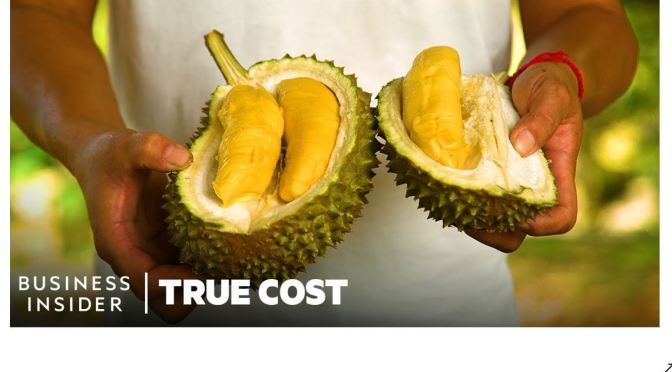
Malaysia: Land Battle For Durian – “King Of Fruits”
Durian is the king of fruits in Asia, and demand is off the charts. Farmers in Malaysia are cashing in on the craze. And even the royal family wants in. But this growing business has come at a cost. Now, small farmers are stuck in a ruthless land battle with a big corporate and the local government.
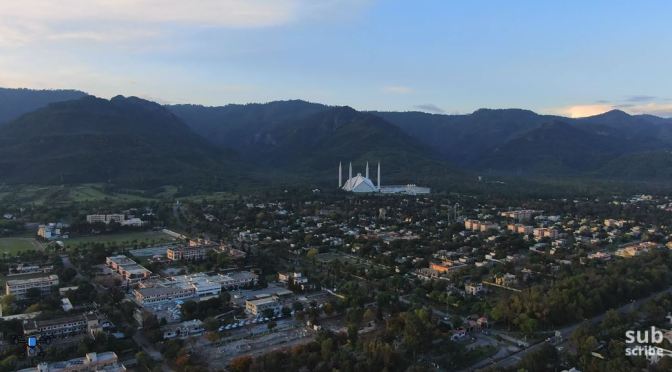
Aerial Views: Islamabad – Capital Of Pakistan (4K)
Islamabad is the capital city of Pakistan, and is administered by the Pakistani federal government as part of the Islamabad Capital Territory. It is the ninth-largest city in Pakistan, while the larger Islamabad–Rawalpindi metropolitan area is the country’s third-largest with a population of about 4.1 million people.
 Boomers Daily