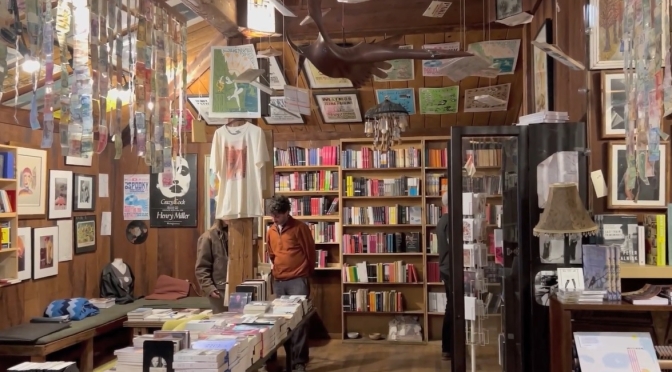
The Henry Miller Memorial Library is a nonprofit arts center, bookstore, and performance venue in Big Sur, California, documenting the life of the late writer, artist, and Henry Miller. Emil White built the house for Miller in the mid-1960s.
Henry Valentine Miller was an American novelist. He broke with existing literary forms and developed a new type of semi-autobiographical novel that blended character study, social criticism, philosophical reflection, stream of consciousness, explicit language, sex, surrealist free association, and mysticism.
Stemming from an inside-out design approach, Fairweather House sees a 1940s Federation-era home reimagined with a modern kitchen. While extending the home, Pohio Adams Architects designs in careful consideration of its heritage and current use.
Video timeline: 00:00 – Introduction to the Home 00:56 – The Client Brief 01:18 – Reinvigorating the Original Home 02:28 – Outside-Inside Planning Approach 03:56 – The Glass Pavilion 04:29 – Landscape Architecture 05:04 – The Heart of the Home 05:35 – Materiality 06:13 – What the Architect is Most Proud Of
Set amongst the equally grand residences of Sydney’s Bellevue Hill, Fairweather House brings together the old and the new through a considered lens. Pohio Adams Architects elevates the interior design and architecture of the Federation-style home with refined, contemporary insertions such as a modern kitchen, creating a sense of stylistic coherence.
Architecturally, Pohio Adams Architects respects the heritage of the building whilst steering the design towards functionality and grandeur. The original front façade is retained, as well as three formal rooms towards the entrance of the property. Throughout the house, alterations are well-considered and benefit the home. The inserted modern kitchen accommodates the homeowners’ love of entertaining, whilst an added glass and steel pavilion offers an externally focused alternative to the original dark structure.
Pohio Adams Architects designs the modern kitchen to be the hero piece of the interior design. Over four metres long, the kitchen feeds into a sense of openness permeating Fairweather House, allowing residents and guests to circulate with ease around the marble island bench. Located in the rear pavilion, the modern kitchen proposes the ideal space for guests to gather, with seating provided for six people.
Focusing on the relationship between inside and out, Pohio Adams Architects crafts a compelling interiority that actively refers to the external landscape. Fairweather House exemplifies the inside-out methodology, with the boundary between the rear spaces and the garden successfully blurred.
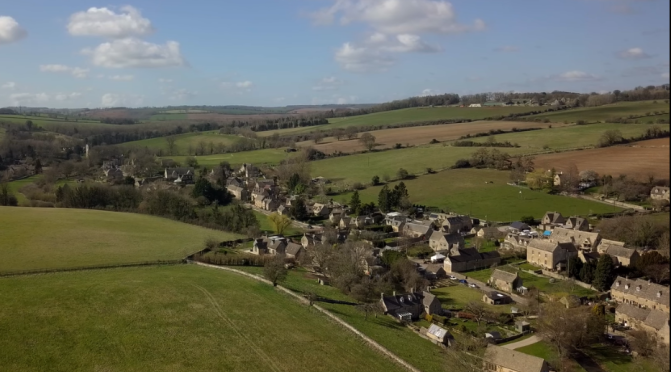
Not far from Stow-on-the-Wold, the village of Naunton sits in a small valley along the river Windrush. Our travelling companion Herbert Evans didn’t have much to say for the place, but we still certainly found it to be a peaceful spot.
Naunton is a village in Gloucestershire, England. It lies on the River Windrush in the Cotswolds, an area of outstanding natural beauty. Stow-on-the-Wold is about 6 miles to the east.
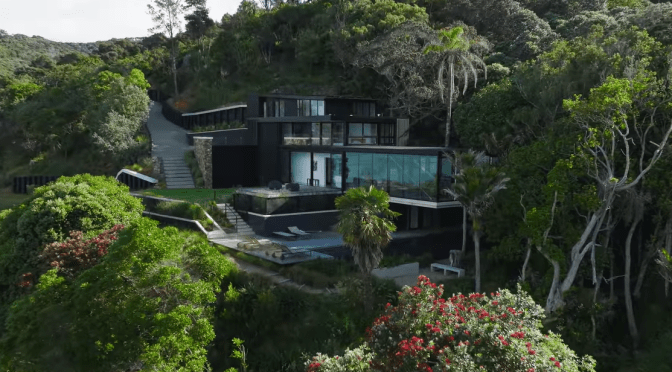
Blending into the black of the bush, Mahuika is a private island house that embraces the external environment. Faced with a challenging site, Daniel Marshall Architects (DMA) uses the unique building context to infuse Mahuika with a sense of legend and soul, crafting a secluded home with a fiery past.
Video Timeline: 00:00 – An Introduction to the Private Island House 00:32 – Mahuika – Fire and Renewal 01:09 – Utilising Natural Light 01:35 – Remote and Private 01:55 – The Pool 02:24 – The Kitchen Appliances 03:12 – Bathrooms and Bedrooms 03:55 – Challenges of the Build 04:18 – The Materials 04:43 – What the Architect is Most Proud Of
A private island house, Mahuika is located on Waiheke Island in the Hauraki Gulf of New Zealand. After a shocking incident that saw the project burnt just weeks before it was initially due to be completed, DMA named the home after the Māori Goddess of Fire. The timber-framed structure is designed so that the living room occupies the architectural cantilever, shading the pool below whilst bedrooms spread across different levels of the home.
In both surrounding context and brief, Mahuika presented DMA with obstacles to overcome. The changeable nature of the Auckland climate meant that the interior design and architecture of the private island house had to complement flitting natural light and striking external scenes. In addition, the design of the house had to be conducive to minimal visits to the shops during the week.
DMA convincingly responds to the difficulties proposed by the project, finding beauty within innovative solutions. The practice embraces the environment as part of the reality of living in a private island house, applying floor-to-ceiling glazing to the architecture of Mahuika in promotion of an authentic lifestyle.
In the kitchen, a generous whole foods storage system meets the requirements of the home whilst the sleek surface of Fisher & Paykel appliances reflects the view of the bush and sea. In Mahuika, the Auckland climate has the ideal subject. DMA designs the private island house to gracefully accept the ever-changing natural elements and vistas, welcoming them as defining features and reflecting them back out as parts of itself.
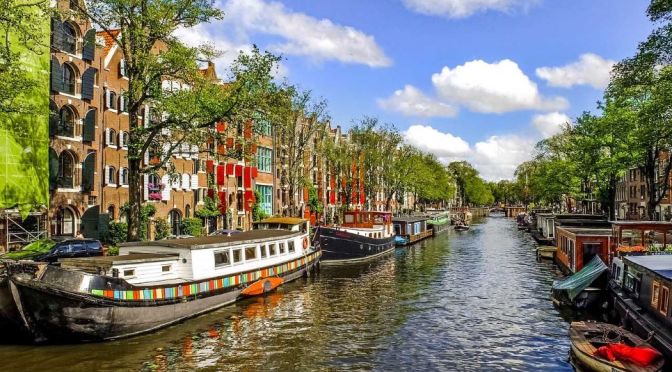
Amsterdam, capital of the Netherlands, has more than 100 kilometers of grachten, about 90 islands and 1,500 bridges. The three main canals, dug in the 17th century during the Dutch Golden Age, form concentric belts around the city, known as the Grachtengordel. Alongside the main canals are 1550 monumental buildings.
One of the most enjoyable things to do in Amsterdam is wander along the beautiful canals, which are lined with picturesque, historic buildings and have an endless variety of boats of all shapes, size, variety and function going by.
Morocco is a land of a thousand colours, with green, red, blue, ochre, and white dominating. We shall travel through the kingdom’s most stunning spots using these five colors. From the royal elegance of Marrakesh to the secrets of Ouarzazate, we’ll visit iconic cities brimming with energy and passion, providing artists with endless inspiration.
Despite the various changes brought about by modern society, Moroccans are striving hard to maintain traditions and historical skills. The series also brings us to more intimate areas, such as palm groves, oases, and dunes, where colourful vistas of palm groves, oases, and dunes abound.
We’ll meet the people who live there and work to preserve the natural beauty of the area. Morocco is a unique tapestry of landscapes that takes the observer on a dream-like trip from the seaside to the mountain heights.
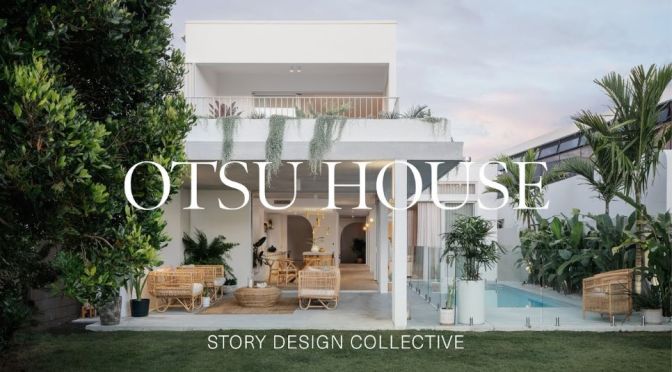
A modern-day dream home, Otsu House is a refreshing and timeless exploration of texture, material and light. The site’s proximity to the beach called for a pared back and neutral colour palette, filling the internal spaces with warmth and reflective character.
Video Timeline: 00:00 – Introduction to the House 00:29 – Design Influenced by the Environment 01:04 – Designing for Light and Airflow 01:25 – Concrete and Clay Finishes 02:57 – The Courtyard 03:15 – Neutral Colour Palette 03:40 – Landscaping and Pool Design 04:10 – Helical Staircase 04:53 – Ensuite Bathroom Features 05:18 – Concrete Kitchen Bench 05:36 – Successful Partnership
With easy access to the beach, it was important that the materials used within the structure were able to be self-maintained and endure the harsh Australian climate and beachside environment.
The dream home embraces open spaces, reminiscent of the nearby ocean. A continued theme of open space is felt throughout the house and is extended out towards the garden. The entryway is greeted with a void and an enticing sculptural staircase. Feeling as though it evolved out of the ground, the staircase draws the eye inward and up to the second level. The curve of the stairs reflects the textured clay render, Rockcote Japanese Otsumigaki, used throughout the interior and evokes a visual connection to ocean waves.
The Otsumigaki is both subtle and reflective, interacting with natural light and giving forth a lustre that is completely distinctive to the interior space. The raw nature of the Japanese clay and concrete used throughout the dream home acts as a significant connection to the beachfront. The textured material brings with it a warmth whilst also an endurance to the elements, specifically the salt from the ocean and the strength of the Australian sun.
Concrete is also used in the home’s ceiling, allowing for both thermal and noise barriers within the interior spaces. The material is also used in the kitchen bench and is in keeping with the natural, neutral colour palette present within the dream home. Otsu House also features a courtyard space, acting as both a lightwell and a visual connection for the downstairs rooms. The doors are able to be opened to allow a breeze to flow throughout the dream home, creating patterns with light and shadows. The linen curtains soften the raw concrete throughout and provide a delicate balance within the natural material palette.
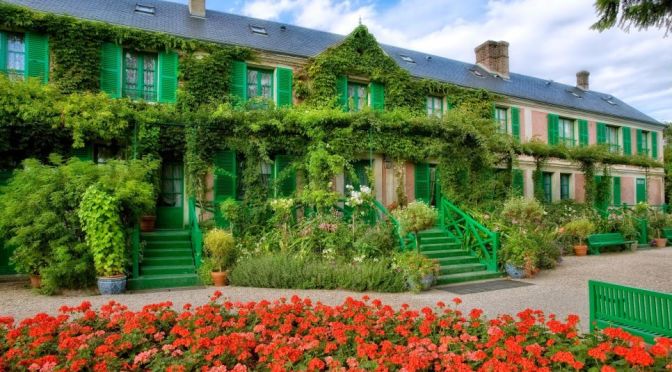
Giverny is a village in the region of Normandy in northern France. Impressionist painter Claude Monet lived and worked here from 1883 until his death in 1926. The artist’s former home and elaborate gardens, where he produced his famed water lily series, are now the Fondation Claude Monet museum. Nearby, the Musée des impressionnismes Giverny highlights the Impressionist art movement.
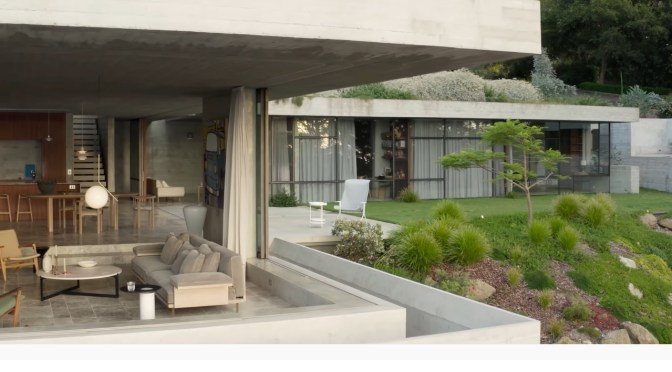
Crafted by James Stockwell Architect, Bunkeren could be the best modern house in the world. Considered more landscape than building, the concrete dwelling is a robust insertion within the surrounding natural context. Embedded into a rocky forest edge just south of Newcastle,
Video Timeline: 00:00 – Introduction to the Best Modern House in the World 00:40 – The Concept 01:30 – Designing for Family and the Landscape 02:09 – House Inspired by Danish Design 02:25 – Intimate Spaces 02:44 – Bunker within the Landscape 03:20 – Benefits of a Concrete Bunker House 04:20 – Bringing Natural Light into the House 04:55 – The Cellar 05:30 – Materiality 06:12 – Indoor-Outdoor Living 07:05 – Highlights of the House 07:28 – The Architect’s Favourite Part of the House
Bunkeren sits on the land of the Awabakal people. Externally, the building is reminiscent of the inspiring botanical garden that once occupied the location in the late 1800s; sprouting greenery covers the top of floating concrete platforms where, beneath, the internal spaces are held. A sense of architectural freedom is permitted by minimising necessary supporting columns and removing the need for load-bearing walls, lending structural significance and an impressive silhouette to what is considered the best modern house in the world.
A house tour of Bunkeren – named according to the Danish translation of ‘bunker’ – reveals the negotiated peaks and pitfalls of the bunker configuration. In materiality and position, the home expresses a reassuring invulnerability; partly shielded by the rocky landscape and comprised of concrete, Bunkeren can retain its structural integrity in the event of a bushfire or storm. Crafted by the architect to be low maintenance, the home does not require painting and cannot be eroded by mould or termites. The enveloping botanical element of the design supports the forest ecosystem and microclimates by interacting with natural species. James Stockwell Architect designs the interior to combat the limited natural light and ventilation associated with the architecture of a traditional bunker. Skylights and an internal garden draw light into the underground aspects of the home in an aesthetically engaging manner, whilst the elevated nature of the concrete platforms allows space for fresh air to travel through the dwelling. The interior design of Bunkeren contributes to its potential as the best modern house in the world. Whilst utilising the work of local artists, James Stockwell Architect also takes care to reflect the influence of Danish design culture in consideration of the homeowners’ lifestyle. In application of the Danish principle of proportion, all decoration is scaled to human level, emphasising the togetherness of the family unit. The design also champions the Danish furniture inherited by the homeowners. A restrained approach to styling sees each space defined by a sense of intimacy, with the absence of elaborate ornamentation establishing an unimposing, experientially gentle atmosphere. The most unique aspect of the home – through which James Stockwell Architects proposes Bunkeren as the best modern house in the world – is the cellar, situated at the lowest level. Inside the space, the rock into which the residence is settled within is left exposed, providing visual drama, natural tactility and a reflection of the external environment, blurring the line between the home and landscape. Warmed by the additional materials of wood, concrete and brass, the cellar exudes individuality. In 20 years, the foliage surrounding Bunkeren will have grown, until the building cannot be clearly distinguished from its natural context. It is this foresight that allows Bunkeren to be considered the best modern house in the world.
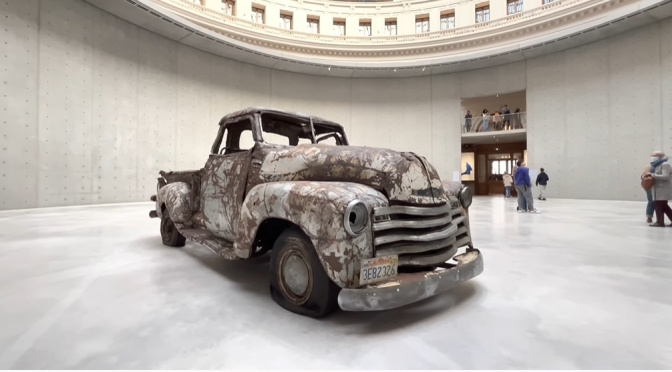
A major figure on the contemporary art scene, American sculptor Charles Ray (b. 1953) opens the cultural programme of the 2022, with an exhibition running until the spring.
News, Views and Reviews For The Intellectually Curious



 Boomers Daily