Tag Archives: Studies

Nutrition Studies: 70% Of U.S. Fast-Food Meals Are “Poor Dietary Quality”

“Our findings show dining out is a recipe for unhealthy eating most of the time,” said Dariush Mozaffarian, senior author and dean of the Friedman School. 

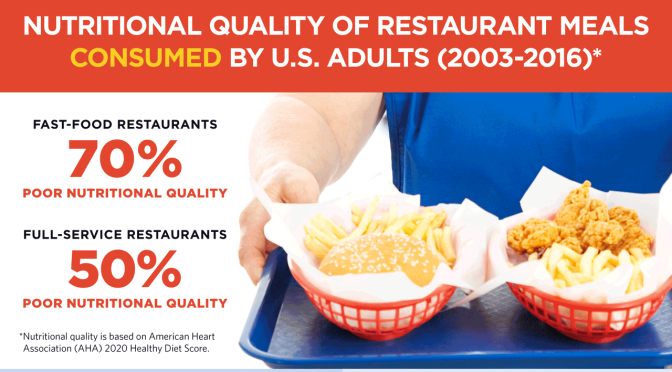
At fast-food restaurants, 70 percent of the meals Americans consumed were of poor dietary quality in 2015-16, down from 75 percent in 2003-04. At full-service restaurants, about 50 percent were of poor nutritional quality, an amount that remained stable over the study period. The remainder were of intermediate nutritional quality.

BOSTON (Jan. 29, 2020, 9:00 a.m. EST)—The typical American adult gets one of every five Tufts School of Nutrition Science and Policy logocalories from a restaurant, but eating out is a recipe for meals of poor nutritional quality in most cases, according to a new study by researchers at the Friedman School of Nutrition Science and Policy at Tufts University.
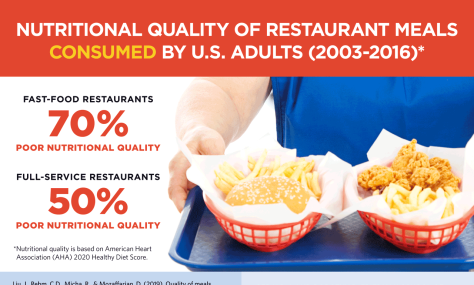
menu-infographic_1280x850_Tufts University_1-29-20_Final(3)

Published today in The Journal of Nutrition, the study analyzed the dietary selections of more than 35,000 U.S. adults from 2003-2016 in the National Health and Nutrition Examination Survey (NHANES) who dined at full-service (those with wait staff) or fast-food restaurants, which included pizza shops and what has become known as fast-casual. The researchers assessed nutritional quality by evaluating specific foods and nutrients in the meals, based on the American Heart Association 2020 diet score.
To read more about study

Exercise: Older Adults With Higher Muscle Mass Reduce Cardiovascular Disease By Over 80% (Study)

From a Journal of Epidemiology & Community Health online release:

Jounal of Epidemiology &amp; Community Health January 2020The 10 year CVD (cardiovascular disease) incidence increased significantly across the baseline SMI (skeletal muscle mass index) tertiles (p<0.001). Baseline SMM (Skeletal muscle mass) showed a significant inverse association with the 10 year CVD incidence (HR 0.06, 95% CI 0.005 to 0.78), even after adjusting for various confounders. Additionally, participants in the highest SMM tertile had 81% (95% CI 0.04 to 0.85) lower risk for a CVD event as compared with those in the lowest SMM tertile.
Background Skeletal muscle mass (SMM) is inversely associated with cardiometabolic health and the ageing process. The aim of the present work was to evaluate the relation between SMM and 10 year cardiovascular disease (CVD) incidence, among CVD-free adults 45+ years old.

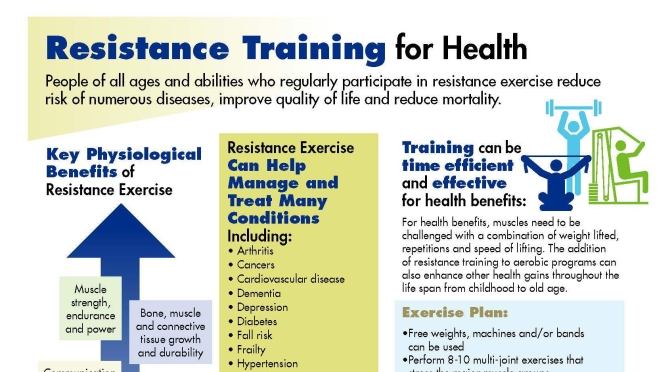
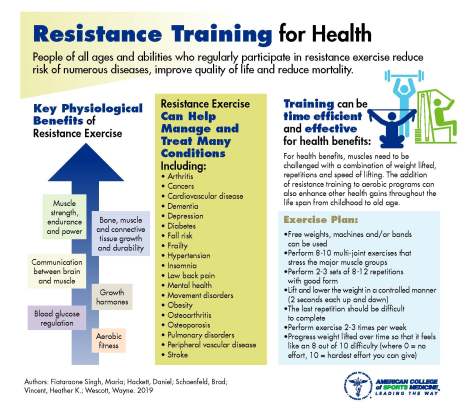
INFOGRAPHIC-ACSM-resistance-training-for-health

Methods ATTICA is a prospective, population-based study that recruited 3042 adults without pre-existing CVD from the Greek general population (Caucasians; age ≥18 years; 1514 men). The 10 year study follow-up (2011–2012) captured the fatal/non-fatal CVD incidence in 2020 participants (50% men). The working sample consisted of 1019 participants, 45+ years old (men: n=534; women: n=485). A skeletal muscle mass index (SMI) was created to reflect SMM, using appendicular skeletal muscle mass (ASM) standardised by body mass index (BMI). ASM and SMI were calculated with specific indirect population formulas.

The global population is ageing at an unprecedented speed, especially in Europe. As a concept, ageing is considered a continuous process starting from birth and is accompanied by various physiological changes and a number of comorbidities1 2 that affect health and quality of life.3 4 Skeletal muscle mass (SMM)4 alterations are among these physiological changes.

SMM tissue decline, as a part of these physiological changes, starts in middle age (or even earlier, in the 30s) and progresses in more advanced age.5 It has been shown that SMM declines with a rate of more than 3% per decade starting from the age of 30+.6 Half of the human body’s mass is actually SMM and it has an active role in numerous metabolic pathways.5 7 SMM decline is related, among others, to various disability patterns, poor mental health and increased mortality.5 7 8 In addition, well documented studies have shown that SMM alterations are related to cardiovascular health,9 10 even different muscle morphology.11 Recently, Srikanthan et al 12 reported the importance of muscle tissue in relation to cardiovascular disease (CVD) and total mortality in stable CVD patients.

Read full study

Weight Loss: Medical Review Of “Keto, Atkins, and Pritikin Diets” (JAMA)

JAMA Clinical Studies PodcastThere are many named diets that receive a great deal of attention. But what are they and do they work? David Heber, MD, PhD, from the UCLA Center for Human Nutrition explains these diets.


Studies: Heart Surgery Patients Can Be Safely Discharged In 3 Days

From a News-Medical.net online release:

Northwestern Medicine logo“Patients can go home after a shorter length of stay in the hospital without increased risk of complications and rehospitalizations,” said Dr. Malaisrie. “Because we found no detrimental effect of accelerated discharge, both patients and physicians should not be averse to discharging patients when medically ready.”
Dr. Malaisrie anticipates that the Northwestern Medicine cardiac ERAS program will result in faster recoveries, reduced complications, decreased time in the hospital, lower costs, and improved patient/family satisfaction. In the future, the researchers plan to closely examine both traditional clinical endpoints and patient-reported outcomes from the program.

“Expectations for recovery after cardiac surgery are being reset in the current era,” he said. “What does this mean for patients? It means that prolonged or taxing recovery is no longer required. Patients should know that recovery from heart surgery is not only quicker, but also better with ERAS programs.”

Read more

Studies: Depression Diagnosis Increases Risk Of Dementia For Decades

From a PLOS Medicine online study:

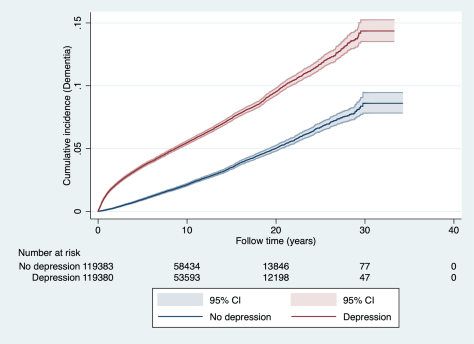
Depression is associated with increased odds of dementia, even more than 20 years after diagnosis of depression, and the association remains after adjustment for familial factors. Further research is needed to investigate whether successful prevention and treatment of depression decrease the risk of dementia.

The risk of dementia is increased for decades after a diagnosis of depression, where those diagnosed with especially severe depressions are at increased risk.

Risk of Dementia increased after diagnosis of Depression chart 2020

Dementia is common among the elderly, causing severe individual suffering as well as societal strain. As the proportion of people aged 65 years and above is rapidly increasing in the world population, the number of individuals with dementia is expected to double within 20 years, and this condition was estimated to have a worldwide cost of US$604 billion in 2010. Effective treatments for dementia remain scarce; however, a preventive approach may be possible through the identification of high-risk individuals and potentially modifiable risk factors.

Read full study

Research: Scientists Find Protein To Regulate Immune Attacks, Reduce Rheumatoid Arthritis

From a New Atlas online article:

1200px-Karolinska_Institutet_seal.svgScientists have just discovered a new mechanism that can be key in regulating these immune attacks, raising new hopes of drugs that can protect against joint inflammation and the ailments it can bring.
Through the use of the CRISPR gene-editing tool, the Karolinska Institutet scientists have now shed further light on the role they play in inflammation. The technology enabled the team to make adjustments to a set of hand-picked immune cell genes as a way of learning how those tweaks can impact the behavior of the cells.

“The results we obtained using CRISPR were key to quickly understanding how the system under study is regulated,” says Dr Wermeling. “I have high hopes that the experimental use of CRISPR will be hugely important to our understanding of how immune-cell behavior is regulated, and that this can guide us in the development of new efficacious drugs.”

https://newatlas.com/medical/newly-understood-protein-raises-hopes-of-advanced-arthritis-treatments/?utm_source=New+Atlas+Subscribers&utm_campaign=68b0bd3225-EMAIL_CAMPAIGN_2020_01_21_02_40&utm_medium=email&utm_term=0_65b67362bd-68b0bd3225-93002753

Health Studies: Marijuana Use Associated With Rise In Cardiovascular Disease

From a Journal of the American College of Cardiology:

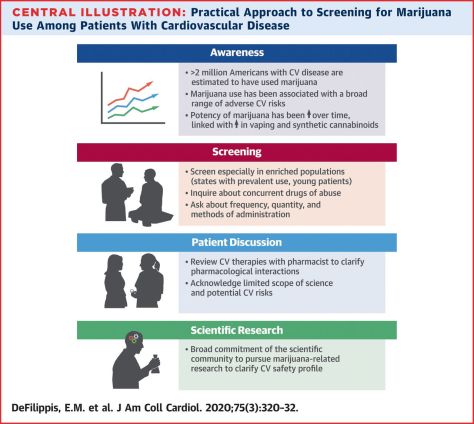
Observational data suggest associations between marijuana and a broad range of adverse cardiovascular risks. Marijuana is becoming increasingly potent, and smoking marijuana carries many of the same cardiovascular health hazards as smoking tobacco. Synthetic cannabinoids have been linked to more sustained and deleterious pharmacodynamic effects.

Marijuana Use and Cardiovascular Disease Infographic

Marijuana use is increasing as more states are legalizing cannabis for both medicinal and recreational purposes. National survey data estimate that >2 million Americans with established cardiovascular diseases currently use or have used marijuana in its variety of forms, including inhalation and vaping. Cannabinoid receptors are distributed in multiple tissue beds and cells, including platelets, adipose tissue, and myocytes.

Highlights

  • • We estimate that >2 million U.S. adults who have reported ever using marijuana have cardiovascular disease.

  • • Observational studies have suggested an association between marijuana use and a range of cardiovascular risks.

  • • Marijuana is becoming increasingly potent, and smoking marijuana carries many of the same cardiovascular health hazards as smoking tobacco.

  • • Few randomized clinical trials have been conducted or are planned to explore the effects of marijuana on cardiovascular risk.

  • • Screening and testing for use of marijuana are encouraged in clinical settings, especially in the care of young patients presenting with cardiovascular disease.

Read more

Studies: Openly Given “Placebos” Are Effective For Chronic Pain Relief

From a Wall Street Journal online article:

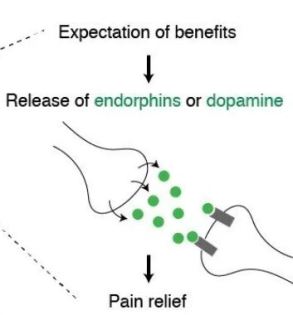
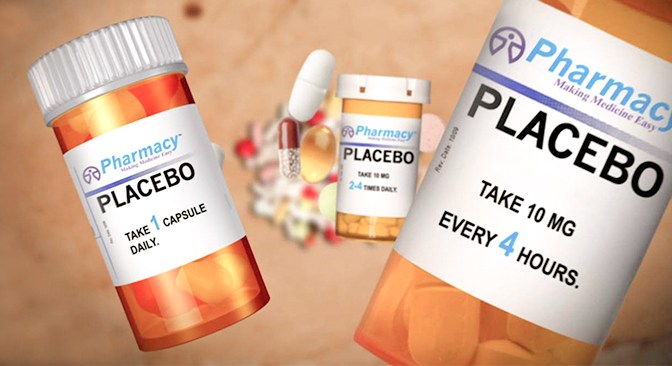
Researchers in Germany published a study in the journal Pain in December showing that open-label placebos can help relieve chronic lower-back pain, Placebo Expectation of Benefitsreplicating a 2016 study. A similar study by University of Colorado, Boulder researchers found that placebo saline injections reduce chronic lower-back pain.

Two other recent studies showed placebos openly given to cancer patients helped relieve cancer-related fatigue. And a forthcoming study by German researchers found openly giving placebo to elderly patients helped improve knee pain.

More researchers are looking at the idea of placebos—substances that have no actual pharmaceutical effect—as an alternative to traditional pain medications, which can be ineffective and carry significant side effects. Placebos might have particular potential for difficult-to-treat conditions like chronic back pain, cancer-related fatigue and symptoms of irritable bowel syndrome, researchers hope.

As many as 30% to 50% of chronic pain patients will respond to placebos, research suggests. And new studies are helping to identify genetic and brain differences that make certain people more likely to respond.

Read more

Study: “Probiotic Drink” Developed That Thwarts Antibiotic Resistance

From a Genetic Engineering & Biotechnology News online article:

Genetic Engineering &amp; Biotechnology News logo“We were able to show that if you can stop the plasmid from replicating, then most of the bacteria lose the plasmid as the bacteria grow and divide. This means that infections that might otherwise be hard to control, even with the most powerful antibiotics available, are more likely to be treatable with standard antibiotics.”

journal.pone.0225202.g001
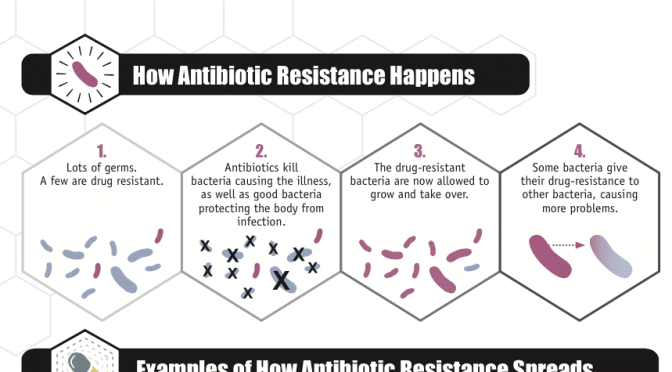
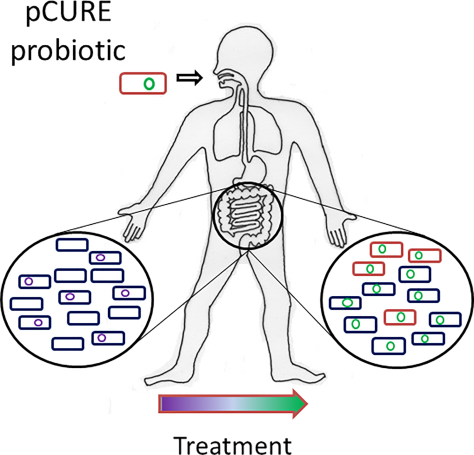
Fig 1. Anticipated exploitation of pCURE as a probiotic treatment for at-risk individuals. Before treatment, plasmids carrying antibiotic resistance genes are shown as purple circles. After treatment, target plasmids are replaced by pCURE (green circle) which could be engineered to later “self-destruct”. Note that not all gut bacteria carry resistance plasmids but pCURE can enter all Enterobacteriaceae as well as other bacteria. Reduced resistance levels in the gut decrease the chance of treatment failure when infections elsewhere in the body (eg lungs or urinary tract) arise from gut bacteria.


Researchers headed by a team at the University of Birmingham in the U.K. have developed a probiotic drink containing genetic elements that are designed to thwart antimicrobial resistance (AMR) in gut bacteria at the genetic level. The drink targets small DNA elements called plasmids that carry antibiotic resistance genes, and which are able to replicate independently and spread between bacteria. By preventing these plasmids from replicating, the antibiotic resistance genes are displaced, effectively resensitizing the bacteria to antibiotics.

Read more

Health Studies: Women’s Blood Vessels Age Faster Than Men’s, Increasing Heart Disease Risks

From a Cedars-Sinai.org online release:

Cedars Sinai logo“Our data showed that rates of accelerating blood pressure elevation were significantly higher in women than men, starting earlier in life,” said Cheng, the Erika J. Glazer Chair in Women’s Cardiovascular Health, who also serves as director of Cardiovascular Population Sciences at the Barbra Streisand Women’s Heart Center. “This means that if we define the hypertension threshold the exact same way, a 30-year old woman with high blood pressure is probably at higher risk for cardiovascular disease than a man with high blood pressure at the same age.”

Women's Blood Vessels Age Faster Than Men;s Cedars-Sinai January 15 2020

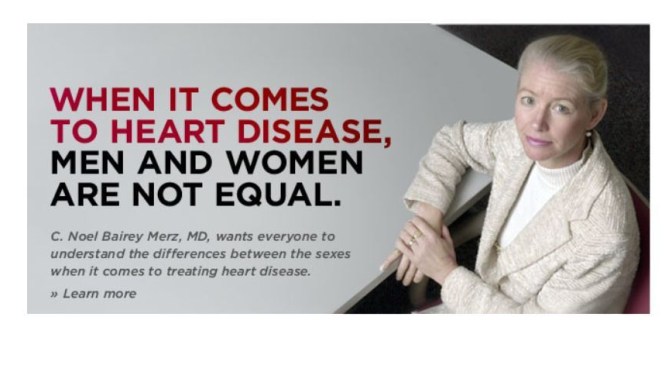
(January 15, 2020) – New research from the Smidt Heart Institute at Cedars-Sinai showed for the first time that women’s blood vessels – including both large and small arteries – age at a faster rate than men’s. The findings, published Wednesday in the journal JAMA Cardiology, could help to explain why women tend to develop different types of cardiovascular disease and with different timing than men.

Read more