

From a Rand.org online release:
 Many people (41 percent) indicated that they believed that news has become less reliable than in the past; a similar number (44 percent) said they believed there has been no change; and 15 percent said they thought news is more reliable now.
Different demographic groups get their news in different ways
- People whose primary news sources are social media and in-person contacts are generally younger and female, and they tend to have less education than a college degree and lower household incomes.
- People whose primary news sources are print publications and broadcast television tend to be be significantly older, and they are less likely to be married.
- People whose primary news source is radio are significantly more likely to be male, less likely to be retired, and more likely to have a college degree.
- People whose primary news sources are online platforms are significantly younger, more likely to be male and have a college degree and higher income, and less likely to be black.
Attitudes toward the reliability of news are mixed
- Overall, 44 percent reported that they believed “the news is as reliable now as in the past.”
- Nearly the same amount — 41 percent — reported a belief that the news has become less reliable.
- A minority (15 percent) said that they believed that the news is more reliable now.
- There was an association between news consumption profiles and perceptions of reliability — people who relied more heavily on online, radio, and social media/in-person platforms to obtain news were less likely to say that news is more reliable now than in the past.


To view full Rand Study: https://www.rand.org/pubs/research_reports/RR4212.html?utm_source=WhatCountsEmail&utm_medium=RAND%20Policy%20Currents+AEM:%20%20Email%20Address%20NOT%20LIKE%20DOTMIL&utm_campaign=AEM:631600804


 According to a report from Innova Market Insights, snacking has already become an all-day habit in the States. While 46% of consumers eat salty snacks between-meals in the afternoon and 37% in the evening, more consumers are also replacing traditional meals with quicker bites. The numbers of consumers who are consuming salty snacks at lunchtime (23%), dinner (17%) and even breakfast (8%) are on the increase.
 Infections with the Enterococcus bacterium are a major threat in healthcare settings. They can lead to inflammation of the colon and serious illnesses such as bacteremia and sepsis, as well as other complications.
 Their previous research has shown that when harmless strains of microbes are wiped out, often due to treatment with antibiotics, Enterococcus and other harmful types of bacteria can take over due to lack of competition. As part of the new study, which included analysis of microbiota samples from more than 1,300 adults having BMTs, the team confirmed the link between Enterococcus and GVHD.
 The riders who had pedaled on an empty stomach, however, had incinerated about twice as much fat during each ride as the men who consumed the shake first. The riders all had burned about the same number of calories while pedaling, but more of those calories came from fat when the men did not eat first.
 “What you want is more, small fat cells rather than fewer, large fat cells,” Jackson said. “A large fat cell is not a healthy fat cell. The center is farther away from an oxygen supply, it sends out bad signals and it can burst and release toxic contents.” Large fat cells are associated with insulin resistance, diabetes and inflammation, he added.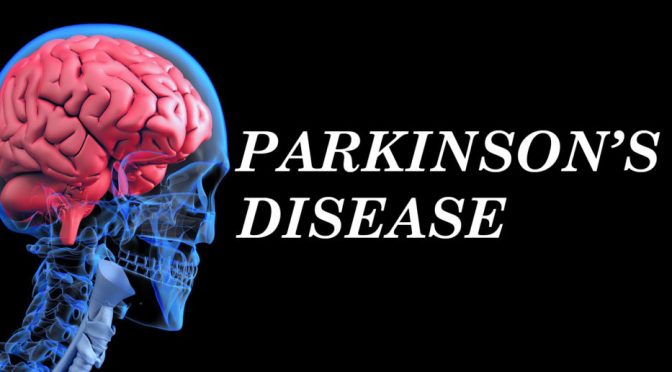
 “The link between antibiotic exposure and Parkinson’s disease fits the current view that in a significant proportion of patients the pathology of Parkinson’s may originate in the gut, possibly related to microbial changes, years before the onset of typical Parkinson motor symptoms such as slowness, muscle stiffness and shaking of the extremities. It was known that the bacterial composition of the intestine in Parkinson’s patients is abnormal, but the cause is unclear. Our results suggest that some commonly used antibiotics, which are known to strongly influence the gut microbiota, could be a predisposing factor,” says research team leader, neurologist Filip Scheperjans MD, Ph.D. from the Department of Neurology of Helsinki University Hospital.

 “The results we saw were stunning and suggest that holistically addressing aging via gene therapy could be more effective than the piecemeal approach that currently exists,” said first author Noah Davidsohn, a former research scientist at the Wyss Institute and HMS who is now chief technology officer of Rejuvenate Bio. “Everyone wants to stay as healthy as possible for as long as possible, and this study is a first step toward reducing the suffering caused by debilitating diseases.”
 “Another behavior change is physical exercise,” Pillemer said. “A paradox of pain is that exercise helps reduce it, but it’s difficult for people in pain to think about exercising. So they don’t exercise, they get more sedentary and the pain increases; it’s a vicious circle. So how do you get people to actually change their behavior?”
 Boomers Daily