
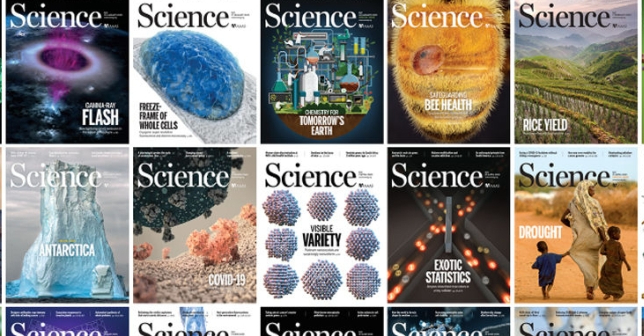
A new special issue of Science reflects on lessons learned since @WHO officially characterized #COVID19 as a pandemic 2 years ago—and outlines ways to bridge the gaps in our understanding of #SARSCoV2 going forward.
— Science Magazine (@ScienceMagazine) March 10, 2022
Learn more ➡ https://t.co/eGuYjp2FwF pic.twitter.com/KPo8X3leP9
Tag Archives: Research
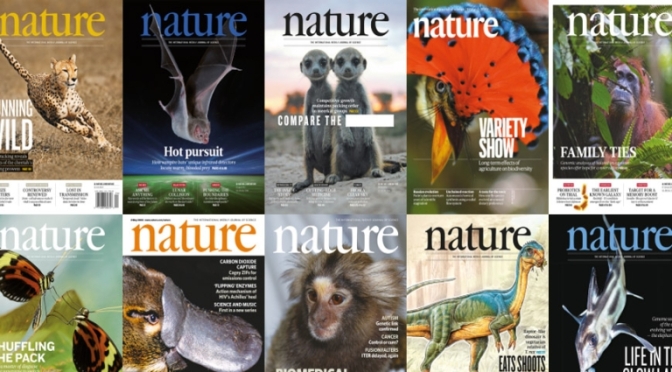
Cover Preview: Nature Magazine – March 10
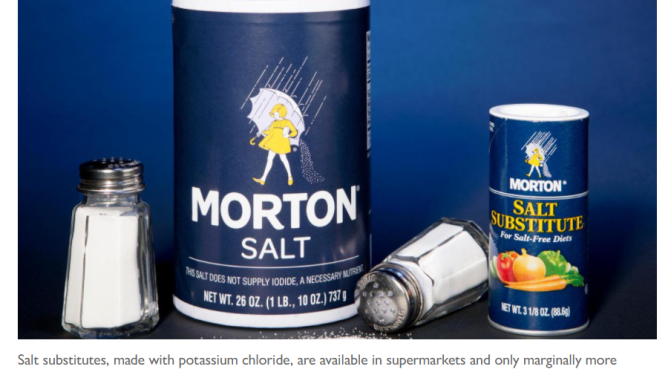
Studies: Salt Substitutes Lower Stroke, Death Risks

Review: Math & Computer Science Discoveries (2021)
It was a big year. Researchers found a way to idealize deep neural networks using kernel machines—an important step toward opening these black boxes. There were major developments toward an answer about the nature of infinity. And a mathematician finally managed to model quantum gravity. Read the articles in full at Quanta Magazine: https://www.quantamagazine.org/the-ye…

Diet Studies: Nutritious & Sustainable Food (Nature)
Science: Research Salary Survey, Jumping Spiders, NASA Smashing Asteroids
The Nature salary and satisfaction survey reveals researchers’ outlook, and NASA’s test of planetary defenses.
In this episode:
00:45 Salary and satisfaction survey
Like all aspects of life, scientific careers have been impacted by the pandemic. To get an insight into how researchers are feeling, Nature has conducted a salary and satisfaction survey. We hear from some of the respondents.
Careers Feature: Stagnating salaries present hurdles to career satisfaction
09:07 Research Highlights
The physics of a finger snap, and the surprisingly strong silk of jumping spiders.
Research Highlight: It’s a snap: the friction-based physics behind a common gesture
Research Highlight: High-speed spinning yields some of the toughest spider silk ever found
11:23 Briefing Chat
We discuss some highlights from the Nature Briefing. This time, the plans to smash a spacecraft into an asteroid, and how baby formula is changing to better resemble breast milk.
Nature News: NASA spacecraft will slam into asteroid in first planetary-defence test
Chemistry World: The science of breast milk and baby formula
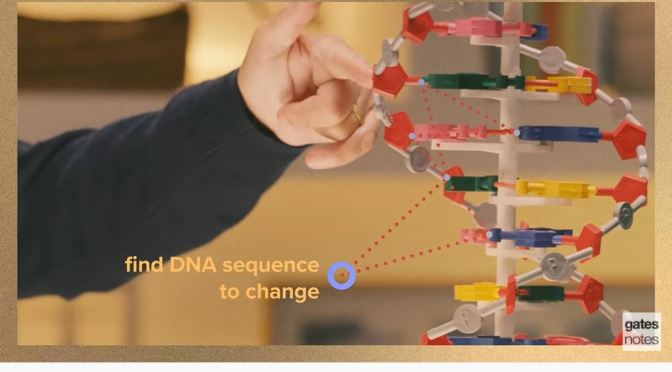
Research: How CRISPR Can Save Lives And End Disease
CRISPR is a technology that can be used to edit genes and, as such, will likely change the world. The essence of CRISPR is simple: it’s a way of finding a specific bit of DNA inside a cell. After that, the next step in CRISPR gene editing is usually to alter that piece of DNA.


 Boomers Daily