Tag Archives: Older Adults

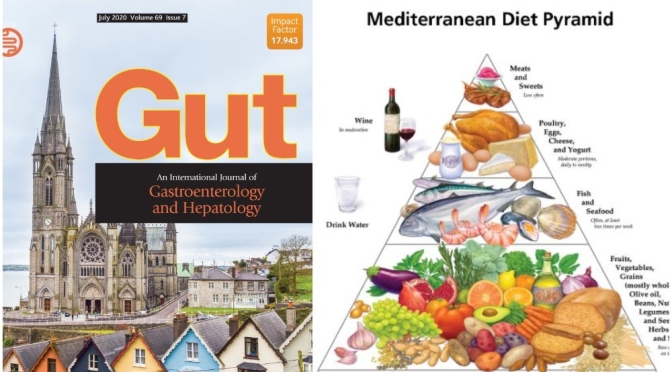
Podcast: “MedDiet” Alters Gut Micriobiome In Older People, Improves Frailty, Cognition, Inflammation

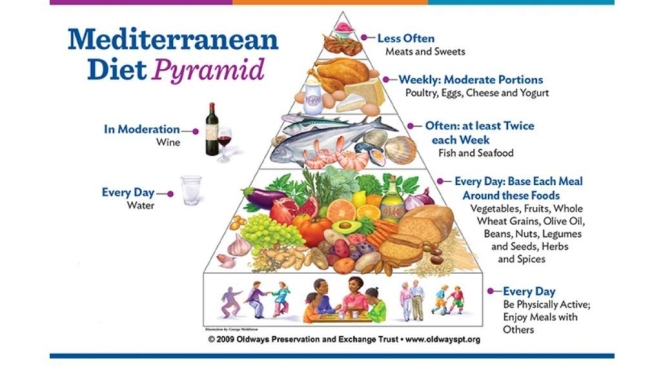
We observed that increased adherence to the MedDiet modulates specific components of the gut microbiota that were associated with a reduction in risk of frailty, improved cognitive function and reduced inflammatory status. 

Dr Philip Smith, Digital and Education Editor of Gut and Consultant Gastroenterologist at the Royal Liverpool Hospital interviews Professor Paul O’Toole; who is Professor of Microbial Genomics, Head of School of Microbiology and Principal Investigator in APC Microbiome Ireland, an SFI funded centre at University College Cork, Ireland, on “Mediterranean diet intervention alters the gut microbiome in older people reducing frailty and improving health status: the NU-AGE 1-year dietary intervention across 5 European countries” published in paper copy in Gut in July 2020.

Read article in BMJ Journal “Gut”

The Elderly & Dementia: “Managing Daily Activities & Fall Prevention” (UCSF)

https://www.youtube.com/watch?v=DupyoYqtxnc

Presented by Sarah Dulaney, RN, CNS, a nurse at the UCSF Memory and Aging Center, and Helen Medsger, a family caregiver and LBD support group leader, as part of the Lewy Body Dementia Caregiver Webinar Series supported by the UCSF Memory and Aging Center and the Administration for Community Living.

Health Study: Older Adults With High Glucose Levels (A1C) Have Greater Cognitive Decline

From a MedPage Today online article (April 2, 2020):

Endocrine Society NewsThis relationship between higher glucose levels and poorer cognitive functioning extended beyond just CASI z-score, as well, Cukierman-Yaffe noted. Higher HbA1c levels were also tied to significantly poorer performance in other psychological tests, including the clock making test of executive functioning, test of discriminative ability, and for the test of verbal fluency.

Poorer glycemic control was tied to cognitive decline following a lacunar stroke in a prospective cohort study.

Among 942 individuals with type 2 diabetes who had a lacunar stroke, every 1% higher HbA1c was tied to a 0.06 drop in cognitive function at baseline measured by Cognitive Assessment Screening Instrument (CASI) z-score (95% CI -0.101 to -0.018), reported Tali Cukierman-Yaffe, MD, MSc, of Sheba Medical Center and the Sackler School of Medicine of Tel Aviv University in Israel.

Read more

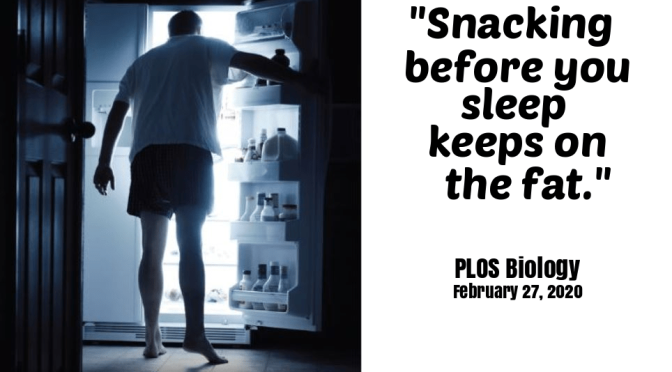
Obesity Study: “Late Night Snacking” Older Adults – Higher Fat Levels Than Early Eaters On Same Diet

From a PLOS Biology Journal study (Feb 20, 2020):

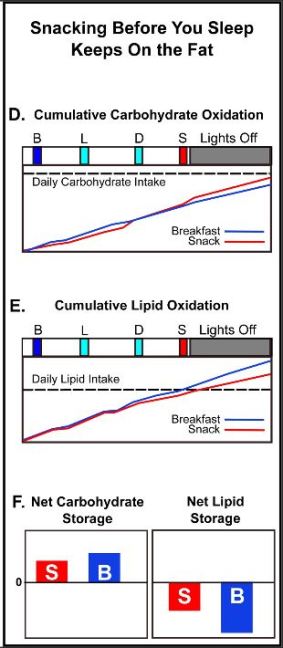
Snacking Before you sleep Keeps on the Fat PLOS Biology April 2020
Schematic: Late-evening snacking interacts with the circadian rhythm of metabolism to inhibit LO.

The major finding of this study is that the timing of feeding over the day leads to significant differences in the metabolism of an equivalent 24-h nutritional intake. Daily timing of nutrient availability coupled with daily/circadian control of metabolism drives a switch in substrate preference such that the late-evening Snack Session resulted in significantly lower LO compared to the Breakfast Session. 

Developed countries are experiencing an epidemic of obesity that leads to many serious health problems, foremost among which are increasing rates of type 2 diabetes, metabolic syndrome, cardiovascular disease, and cancer. While weight gain and obesity are primarily determined by diet and exercise, there is tremendous interest in the possibility that the daily timing of eating might have a significant impact upon weight management [13]. Many physiological processes display day/night rhythms, including feeding behavior, lipid and carbohydrate metabolism, body temperature, and sleep.

PLOS Biology StudiesThese daily oscillations are controlled by the circadian clock, which is composed of an autoregulatory biochemical mechanism that is expressed in tissues throughout the body and is coordinated by a master pacemaker located in the suprachiasmatic nuclei of the brain (aka the SCN [1,4]). The circadian system globally controls gene expression patterns so that metabolic pathways are differentially regulated over the day, including switching between carbohydrate and lipid catabolism [1,3,59]. Therefore, ingestion of the same food at different times of day could lead to differential metabolic outcomes, e.g., lipid oxidation (LO) versus accumulation; however, whether this is true or not is unclear.

To read more

Health Podcast: “Aging And The Immune System” (Mayo Clinic Radio)

On the Mayo Clinic Q&A podcast, Dr. Jessica Lancaster, a Mayo Clinic immunologist, discusses aging and the immune system. Some people are at higher risk of getting very sick from COVID-19 because of their age or underlying health conditions, according to the Centers for Disease Control and Prevention (CDC).

Adults 60 and older and those with an underlying health condition or a compromised immune system appear to develop serious illness more often than others. This interview was recorded March 19, 2020.

Learn more about immune system research at Mayo Clinic: https://www.mayo.edu/research/centers…

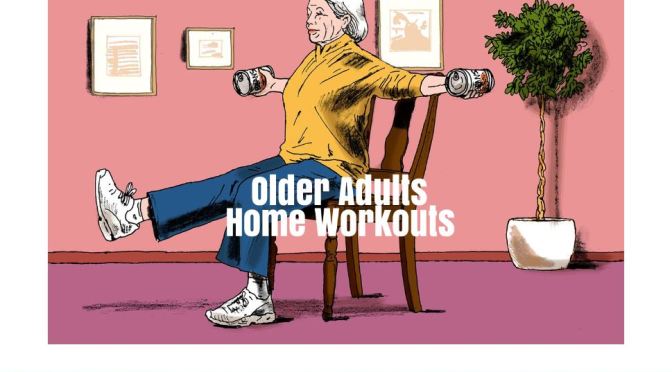
Exercise: “Shelter In Place” Home Circuit Workouts For Older Adults (WSJ)

From a Wall Street Journal article (March 21, 2020):

As we age, our balance declines, says Dani Johnson, a physical therapist with the Mayo Clinic’s Healthy Living Program in Rochester, Minn. Implementing balance exercises as simple as standing on one leg as you brush your teeth can help prevent falls. Getting a daily dose of cardio can boost the immune system.

This at-home circuit routine will get your heart rate up while also challenging strength and balance. Perform the circuit three times. Walk up and down steps or march in place for two to three minutes between sets. To up the effort, she suggests adding dumbbells or improvising with cans or tube socks filled with coins or rice.

Chair squats

Stand in front of a chair with your feet shoulder-width apart. Bend your knees, lowering your hips back, keeping weight in your heels and your chest upright. Start by sitting into the chair and standing back up 10 to 12 times. If this is easy, hover above the chair then return to standing.


Counter push-ups

Image result for incline push up at home gif animationPlace your hands on the edge of a counter, just beyond shoulder-width apart. Lower into a push-up then press back up. Repeat 10 to 12 times. For more of a challenge, walk your feet farther away from the counter.

Chair triceps dips

Sit upright in a chair with your hands on the armrests, elbows bent at 90 degrees. Straighten your arms, lifting your body off the chair. Hold briefly. Then lower yourself down. Use your legs to balance. Repeat 10 to 12 times.

Calf raises

Begin in a standing position. Rise up onto your toes, hold briefly, then lower back down. Repeat 10 to 12 times. Place one or both hands on a table or chair for more support. For an added challenge, perform on one leg at a time.

Read full article

Studies: Elderly In 3rd Highest Level Of Exercise Reduce Brain Shrinkage, Aging By 4 Years (AAN)

From a March 5, 2020 American Academy of Neurology release:

American Academy of Neurology (AAN) Logo“These results are exciting, as they suggest that people may potentially prevent brain shrinking and the effects of aging on the brain simply by becoming more active,” said study author Yian Gu, Ph.D., of Columbia University in New York and a member of the American Academy of Neurology.


“Recent studies have shown that as people age, physical activity may reduce the risk of cognitive decline and dementia. Our study used brain scans to measure the brain volumes of a diverse group of people and found that those who engaged in the top third highest level of physical activity had a brain volume the equivalent of four years younger in brain aging than people who were at the bottom third activity level.”

Older people who regularly walk, garden, swim or dance may have bigger brains than their inactive peers, according to a preliminary study to be presented at the American Academy of Neurology’s 72nd Annual Meeting in Toronto, Canada, April 25 to May 1, 2020. The effect of exercise was equal to four fewer years of brain aging. The study used magnetic resonance imaging (MRI) scans to measure the brains of people with a range of activity levels, including those who were inactive to those who were very active. The scans showed less active people had smaller brain volume.

Read full article

Interview: 71-Year Old Model And Dietitian Maye Musk On Getting “More Fabulous” As She Ages

Excerpts from a WSJ. Magazine interview (Feb 24, 2020):

A Woman Makes A Plan Maye Musk bookWell, when you get older, you are more fabulous, actually. You go through a lot of hard times in your life… and then, at this stage you get out of those bad situations quicker and they are less painful. You figure them out, and you move on. And I’m having the best time ever. I’m 71 now, it’s the best time ever, and I think at 81 it will be great. My mom [had] her best times when she was in her 90s. So I look forward to that.
A model since age 15, Maye Musk was in her 60s when her life took a turn for the fabulous. In her seventh decade, the former dietitian appeared in a Beyoncé music video, signed a contract with top modeling agency IMG and became a CoverGirl spokesperson, setting a record as their oldest yet. At the end of last year, Musk, now 71, added memoirist to her resume. Her book, A Woman Makes a Plan: Advice for a Lifetime of Adventure, Beauty and Success, chronicles her career and experience raising her children—SpaceX and Tesla founder Elon, restaurateur and philanthropist Kimbal and filmmaker Tosca—as a single mother who fled a turbulent marriage.

Born in Canada, raised in South Africa and now residing in L.A., Musk spoke to WSJ. about what she eats for breakfast, how she stays on top of emails and why she doesn’t miss hustling all the time.

Read full article

Study: “Med-Diet” Alters Gut Microbiota, Lowers Frailty & Inflammation, Improves Cognition (BMJ)

From BMJ Journal “Gut” study (February 17, 2020):

BMJ Journal GUT Februrary 2020We observed that increased adherence to the MedDiet modulates specific components of the gut microbiota that were associated with a reduction in risk of frailty, improved cognitive function and reduced inflammatory status.

Objective Ageing is accompanied by deterioration of multiple bodily functions and inflammation, which collectively contribute to frailty. We and others have shown that frailty co-varies with alterations in the gut microbiota in a manner accelerated by consumption of a restricted diversity diet. The Mediterranean diet (MedDiet) is associated with health. In the NU-AGE project, we investigated if a 1-year MedDiet intervention could alter the gut microbiota and reduce frailty.

Design We profiled the gut microbiota in 612 non-frail or pre-frail subjects across five European countries (UK, France, Netherlands, Italy and Poland) before and after the administration of a 12-month long MedDiet intervention tailored to elderly subjects (NU-AGE diet).

Results Adherence to the diet was associated with specific microbiome alterations. Taxa enriched by adherence to the diet were positively associated with several markers of lower frailty and improved cognitive function, and negatively associated with inflammatory markers including C-reactive protein and interleukin-17. Analysis of the inferred microbial metabolite profiles indicated that the diet-modulated microbiome change was associated with an increase in short/branch chained fatty acid production and lower production of secondary bile acids, p-cresols, ethanol and carbon dioxide. Microbiome ecosystem network analysis showed that the bacterial taxa that responded positively to the MedDiet intervention occupy keystone interaction positions, whereas frailty-associated taxa are peripheral in the networks.

Conclusion Collectively, our findings support the feasibility of improving the habitual diet to modulate the gut microbiota which in turn has the potential to promote healthier ageing.

Read full study