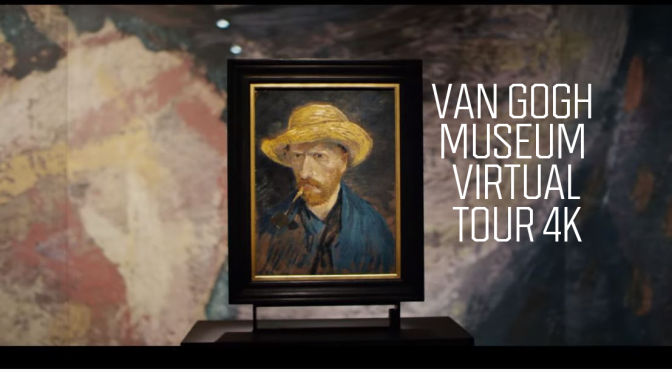
Van Gogh Museum Tour in 4K. Have you always wanted to be alone in the Van Gogh Museum? Step into Vincent’s world and enjoy the private video tour.
Episode 5: Van Gogh Museum Amsterdam

Van Gogh Museum Tour in 4K. Have you always wanted to be alone in the Van Gogh Museum? Step into Vincent’s world and enjoy the private video tour.
Episode 5: Van Gogh Museum Amsterdam
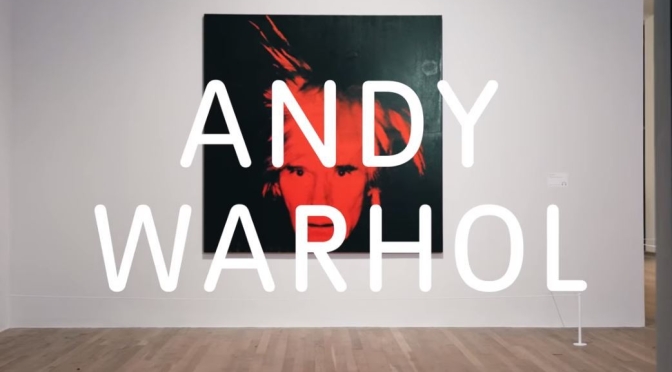
Although our galleries are temporarily closed we wanted to share the Andy Warhol exhibition at Tate Modern with you. Join Tate curators Gregor Muir and Fiontán Moran as they discuss Warhol through the lens of the immigrant story, his LGBTQI identity and concerns with death and religion.
Meet the man behind the brand. It’s a Warhol you might not know, with some artworks you may not have seen before.
Find out more about the exhibition here
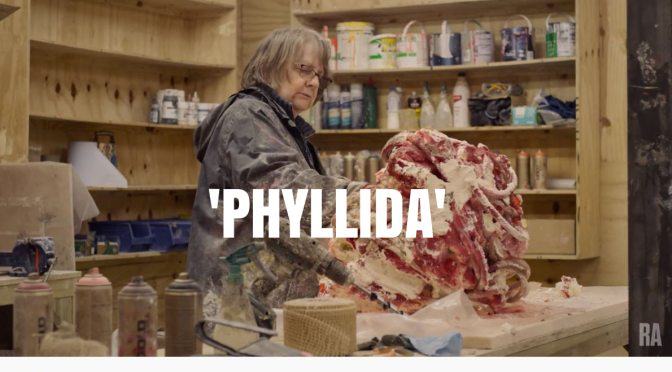
This documentary is an intimate portrait of British sculptor Phyllida Barlow during her preparation for the major survey ‘cul-de-sac’ at the Royal Academy last 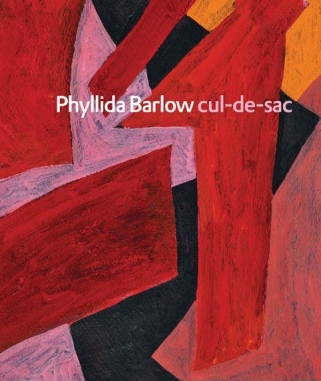 year. Directed by Cosima Spender, this film maps the roots of Barlow’s oeuvre, as she revisits childhood memories, domestic and urban spaces, and their subsequent role in her creative process.
Phyllida Barlow began studying at Chelsea College of Art in 1960, and went on to study and teach at Slade School of Art for more than twenty years, becoming Emerita Professor in 2009. She was elected a Royal Academician in 2011, and represented Great Britain in the 2017 Venice Biennale, where she created the ambitious installation, ‘folly’.
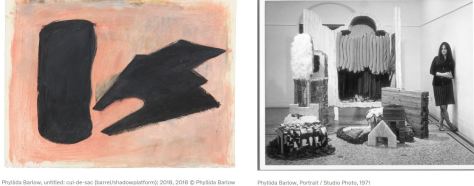
Watch this evolution and the artist’s influences in ‘PHYLLIDA’. ‘I want the work to be traversed in a way that your memory of it is tested, so that you keep forgetting what you’ve seen’, Barlow explains, ‘I think that is the nature of sculpture – not something that can be held as a whole image in your head, only as fragments… The spaces, the silences in between, are as much a component of the work as the thing itself.”
‘PHYLLIDA’ is produced by Hauser & Wirth, in association with Third Channel and Peacock Pictures.
Van Gogh Museum Tour in 4K. Have you always wanted to be alone in the Van Gogh Museum? Step into Vincent’s world and enjoy the private video tour. Episode 4: Van Gogh Museum Amsterdam.
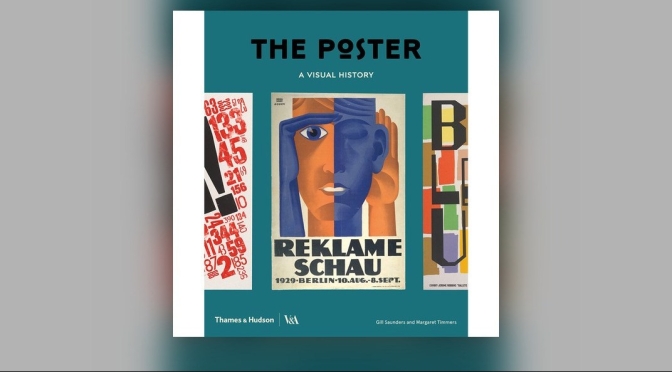
 Monocle 24 speaks with Gill Saunders and Margaret Timmers about their upcoming book ‘The Poster’ from Thames & Hudson in partnership with the V&A.
Featuring posters from the world-class collection of the Victoria and Albert 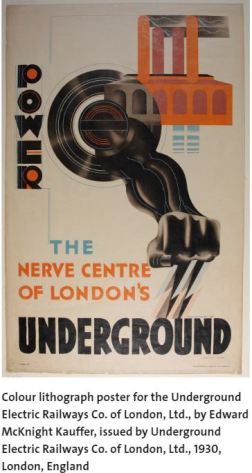 Museum, this book is the perfect resource for all those who appreciate one of the most popular art forms.
Even in the digital age, the printed poster has continued to be one of the most influential and well-loved ways of informing and entertaining audiences. A powerful means of mass communication, posters are an invaluable resource for understanding the time periods in which they were produced and distributed and have often played key roles in shaping society.
Organized into seven thematic chapters, The Poster brings together more than 300 examples that offer a comprehensive history of the poster as a medium that has been used to share, sell, or incite political and social change. The text traces the poster through innovations in design, illustration, typography, and printing, as well as movements in art, including Art Nouveau, modernism, Art Deco, psychedelia, and punk.
Featuring works by A. M. Cassandre, Henri de Toulouse-Lautrec, Alphonse Mucha, Milton Glaser, Paula Scher, and Peter Gee, and many more, this book is an essential resource for graphic designers, illustrators, and anyone interested in social and political history.
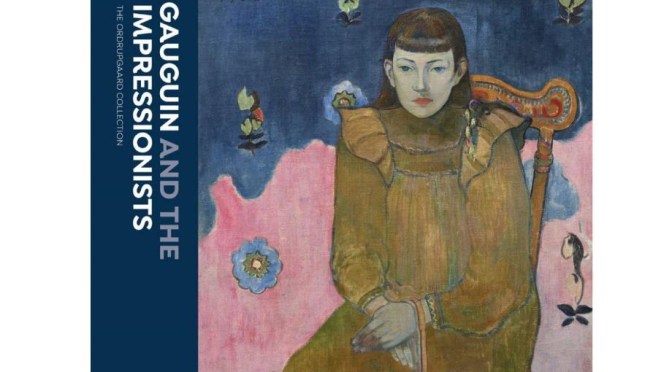
Joining an already impressive collection of Scandinavian art, one of the first French paintings Hansen acquired was Woman with a Fan, Portrait of Madame Marie Hubbard (1874) by Berthe Morisot. This gently ironic work set the tone for his perceptive and adventurous collecting style.
Drawn from the remarkable Ordrupgaard Collection of the Danish insurance broker and  art lover Wilhelm Hansen, the masterpieces of 19th-century French painting in this volume represent the very best of French impressionism.
A burst of acquisitions from 1916 to 1918, during which he took advice from the influential critic Théodore Duret, saw his collection grow to include works by Cézanne, Courbet, Gauguin, Manet, Matisse, Monet, Renoir and Sisley.
With stunning reproductions of 60 works, the authors explore the history of the collection and provide detailed analysis of the works themselves.
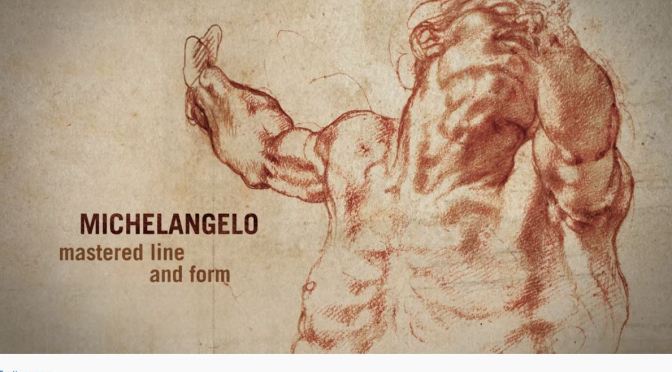
Take a visual journey into the mind of Michelangelo, a painter, sculptor, architect, draftsman, and one of the most creative and influential artists in the history of Western art. See how he used drawings to create, explore, and prepare for some of his most famous works of art. Produced for the J. Paul Getty Museum’s exhibition, “Michelangelo: Mind of the Master.” https://www.getty.edu/art/exhibitions…
Enjoy this 360° video view of the Garden Court of The Frick Collection. Available through your phone with Google Cardboard or other viewer as a 360° VR video. Right click or control + click (on a Mac) to select loop and enjoy the soothing sounds of the fountain. Shot during the exhibition, Canova’s George Washington, on view at The Frick Collection from May 23, 2018 to September 23, 2018.
Van Gogh Museum Tour in 4K. Have you always wanted to be alone in the Van Gogh Museum? Step into Vincent’s world and enjoy the private video tour. Episode 2: Painter of peasant life – Van Gogh Museum Amsterdam
It’s springtime at the Central Garden. Birds are singing, the azaleas are glowing, and burgundy tulips and blue irises line the paths. However, the crowds are gone—the Getty Center has closed temporarily to minimize the spread of coronavirus.
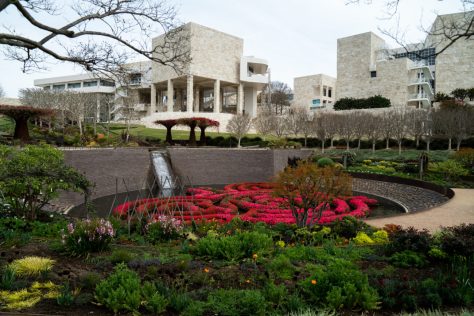
 The quiet comes at a time of transition for the garden. Spring always brings change and renewal, but this year Getty’s new horticulturist, Jackie Flor, has been trying to channel the vision of the garden’s creator, artist Bob Irwin, as she brings the garden back to his original intent
Does the new Golden Celebration rose with its rich, sweet scent honor Irwin’s intentions for that spot? How about the trio of new Redbuds ready to pop? And how would he feel about her attempts to curtail the wildly proliferating Madeira Island Geranium? Yes, they were his favorite plant, but they have run rampant.
“I’m not heartless,” she said a few weeks ago about the robust plants with pink flowers. “But they need to be tucked back into their proper place.”

 Boomers Daily