

 Monocle’s Charlie Jermyn talks us through the rich and varied culinary delights on offer in Ireland’s second city.
Cork is the second largest city in Ireland. Located in the south-west of Ireland, in the province of Munster, since an extension to the city’s boundary in 2019, its population is c.210,000.
The city centre is an island positioned between two channels of the River Lee which meet downstream at the eastern end of the city centre, where the quays and docks along the river lead outwards towards Lough Mahon and Cork Harbour, one of the largest natural harbours in the world.
Originally a monastic settlement, Cork was expanded by Viking invaders around 915. Its charter was granted by Prince John in 1185. Cork city was once fully walled, and the remnants of the old medieval town centre can be found around South and North Main streets. The third largest city by population on the island of Ireland, the city’s cognomen of “the rebel city” originates in its support for the Yorkist cause in the Wars of the Roses. Corkonians sometimes refer to the city as “the real capital”, a reference to its opposition to the Anglo-Irish Treaty in the Irish Civil War.

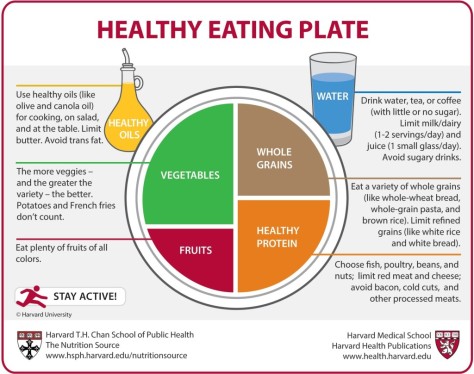
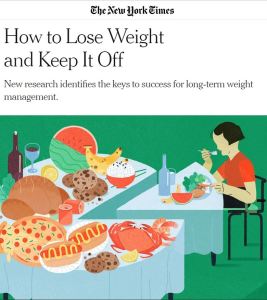 “Maintaining weight loss can get easier over time. Over time, less intentional effort, though not no effort, is needed to be successful. After about two years, healthy eating habits become part of the routine. Healthy choices become more automatic the longer people continue to make them. They feel weird when they don’t.”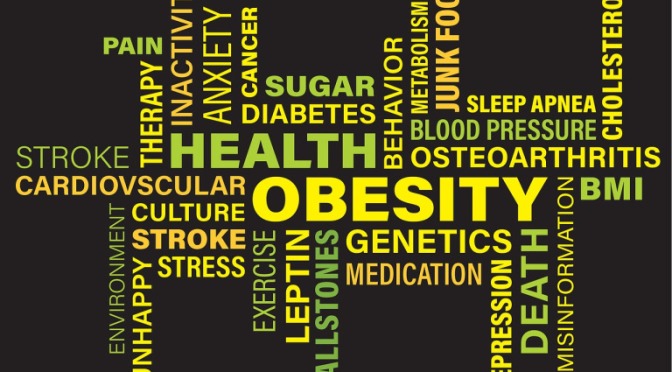
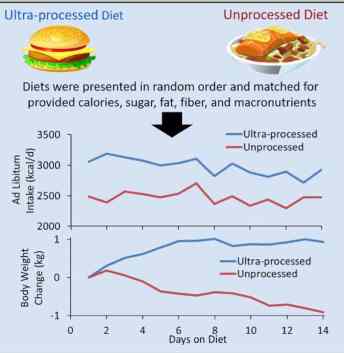 cookies and pies, salty snacks, frozen and shelf-stable dishes, pizza, and breakfast cereals.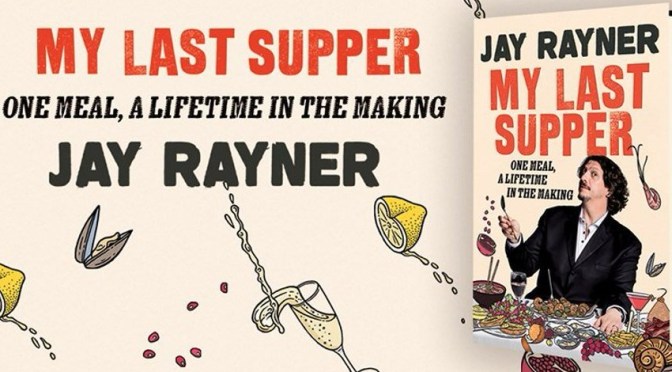
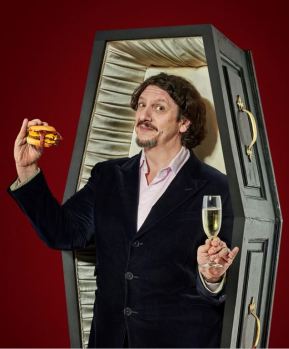 The plan was simple: he would embark on a journey through his life in food in pursuit of the meal to end all meals. It’s a quest that takes him from necking oysters on the Louisiana shoreline to forking away the finest French pastries in Tokyo, and from his earliest memories of snails in garlic butter, through multiple pig-based banquets, to the unforgettable final meal itself.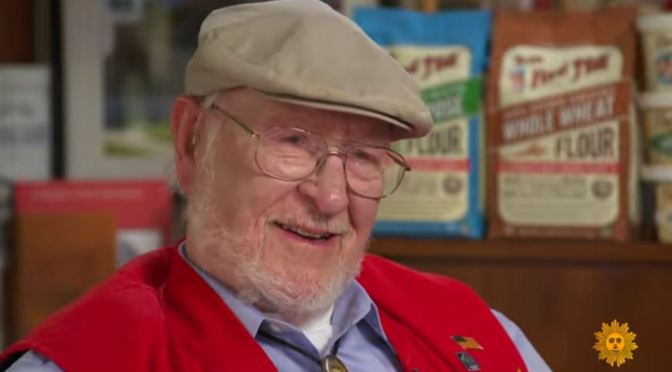
 Bob’s Red Mill Natural Foods is a producer of natural, certified organic, and gluten-free milled grain products, billing itself as the “nation’s leading miller of diverse whole-grain foods.” Its products are distributed throughout the United States, Canada, and a number of other locations such as the Caribbean. It produces over 400 products, primarily whole grains that are ground with quartz millstones which come from several 120-year-old mills, as well as baking mixes, beans, seeds, nuts, dried fruits, spices, and herbs. They are sold through seventy natural food and specialty grocery distributors in the United States and Canada, their online store, and the company’s factory store and restaurant.

 A personal chef monograph, and the first book, from globally-acclaimed chef Ana Roš of Hiša Franko in Slovenia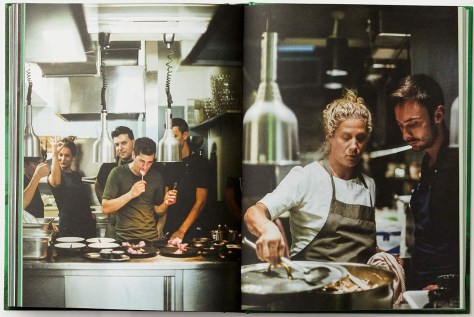
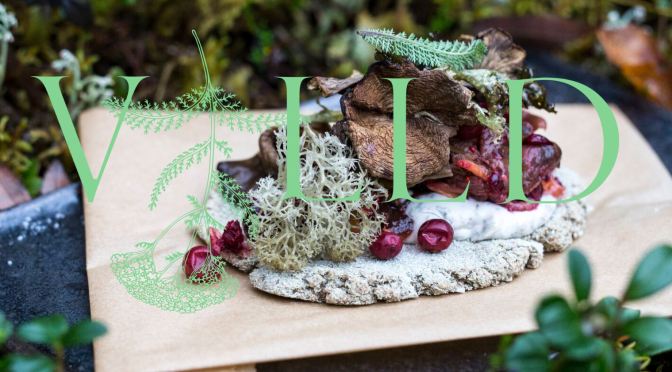
 Monocle 24 “The Menu” features a new Helsinki restaurant that’s pushing the boundaries in sourcing local ingredients.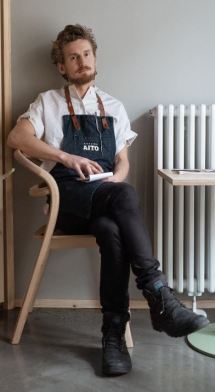


 Boomers Daily