

 Shatner takes a comprehensive look at this singular performer, using archival sources and information culled from interviews with friends and colleagues to transport readers through William Shatner’s remarkably bumpy career: his spectacular failures and triumphs; tragedies, including the shocking death of his third wife, Nerine; and, ultimately, the resilience Shatner has shown, time and again, in the face of overwhelming odds. Author Michael Seth Starr unravels the mystery of William Shatner, stripping away the many myths associated with his personal life and his relationships with fellow actors, presenting a no-holds-barred, unvarnished look at the unique career of an inimitable performer.
In the early months of 1966, a handsome, hardworking thirty-five-year-old Canadian-born actor named William Shatner was cast as Captain Kirk in Star Trek, a troubled, low-budget science-fiction television series set to premiere that fall on NBC. Star Trek struggled for viewers and lasted only three seasons, but it found a huge, rabidly dedicated audience when it premiered in syndication following its cancellation—turning Shatner into a pop-culture icon and launching him on a career path he never could have imagined after graduating from McGill University with an economics degree twenty years earlier. As he approaches his ninetieth year, he’s still working at a furious pace as a man of boundless contradictions: by turns one of the most dissected, disliked, revered, respected, mocked, imitated, and beloved stars in the show business firmament.
To read more or order book: https://rowman.com/ISBN/9781493050659/Shatner

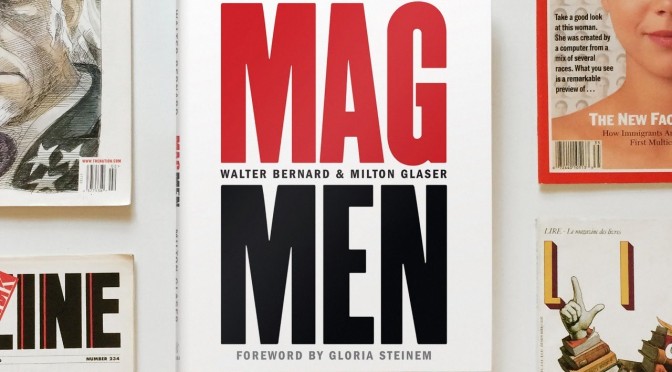
 For more than fifty years, Walter Bernard and Milton Glaser have revolutionized the look of magazine journalism. In Mag Men, Bernard and Glaser recount their storied careers, offering insiders’ perspective on some of the most iconic design work of the twentieth century. The authors look back on and analyze some of their most important and compelling projects, from the creation of New York magazine to redesigns of such publications as Time, Fortune, Paris Match, and The Nation, explaining how their designs complemented a story and shaped the visual identity of a magazine.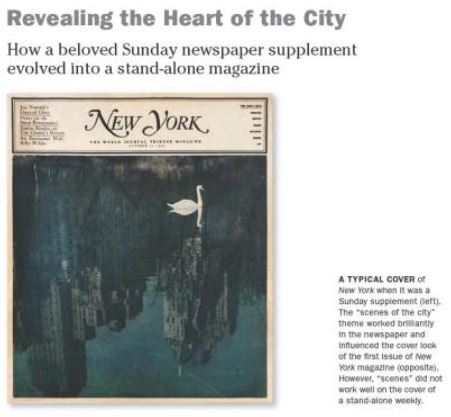
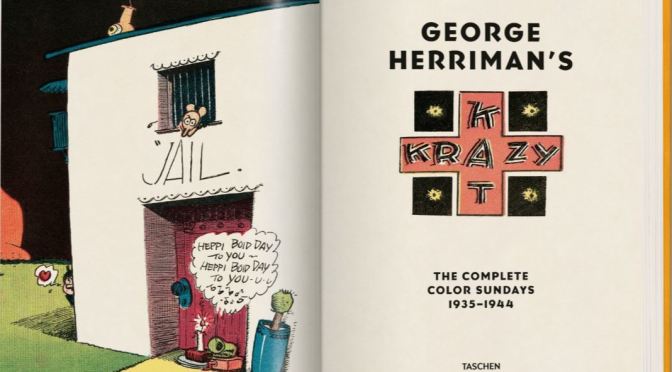
 The premise is simple: a black cat loves scheming a white mouse who incessantly throws bricks at the cat’s head, which police dog Officer Pupp, secretly harboring a passionate love for the cat, tries to prevent.
 Lo—TEK, derived from Traditional Ecological Knowledge, is a cumulative body of multigenerational knowledge, practices, and beliefs, countering the idea that indigenous innovation is primitive and exists isolated from technology. It is sophisticated and designed to sustainably work with complex ecosystems.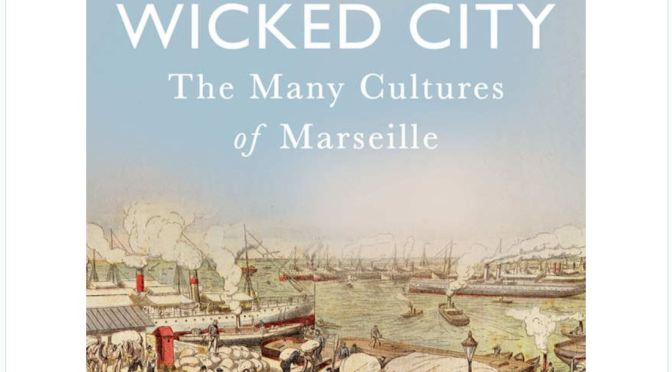
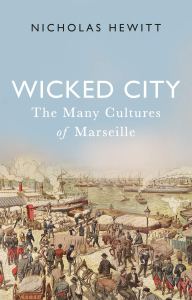 The Toulousain Charles Dantzig wrote, ‘I find the Marseillais tiresome, especially those who, as soon as you speak to them, start to bang on about the uniqueness of being Marseillais, adding with a particular sort of whining machismo that no one likes them and everyone defames them. Their humour is nothing more than pitiable braggadocio.’ Régis Jauffret, who grew up there, is pithier: ‘Marseille is a tragic city. It formed my imagination.’ (It’s an imagination of peerless bleakness.)
 Nicholas Hewitt died in March, less than a month after completing the text of Wicked City. It’s a fine monument to his curiosity, compendious knowledge, resourcefulness and measured enthusiasm. He calls it ‘a series of snapshots’, which is perhaps too modest. If they are snapshots, they have been photoshopped and retouched to accord with his vision of the city and its well-rehearsed mythology of outsiderdom and exceptionalism, edginess and banditry. And his aspiration to explore Marseille’s hold on the ‘nation’s imagination’ is also too modest. The ‘international imagination’ would be more apt.

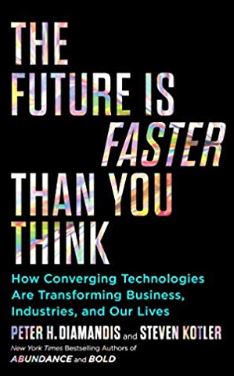 Technology is accelerating far more quickly than anyone could have imagined. During the next decade, we will experience more upheaval and create more wealth than we have in the past hundred years. In this gripping and insightful roadmap to our near future, Diamandis and Kotler investigate how wave after wave of exponentially accelerating technologies will impact both our daily lives and society as a whole. What happens as AI, robotics, virtual reality, digital biology, and sensors crash into 3D printing, blockchain, and global gigabit networks? How will these convergences transform today’s legacy industries? What will happen to the way we raise our kids, govern our nations, and care for our planet?
 Recently named by Fortune as one of the “World’s 50 Greatest Leaders,” Peter H. Diamandis is the founder and executive chairman of the XPRIZE Foundation, which leads the world in designing and operating large-scale incentive competitions. He is also the executive founder of Singularity University, a graduate-level Silicon Valley institution that counsels the world’s leaders on exponentially growing technologies.
 Am I Still a Man?
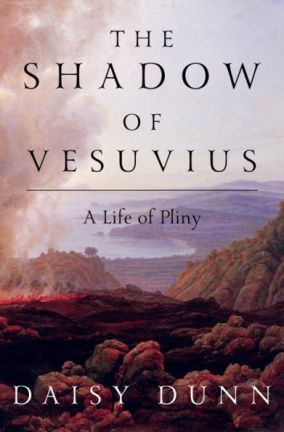 When Pliny the Elder perished at Stabiae during the eruption of Vesuvius in 79 AD, he left behind an enormous compendium of knowledge, his thirty-seven-volume Natural History, and a teenaged nephew who revered him as a father. Grieving his loss, Pliny the Younger inherited the Elder’s notebooks—filled with pearls of wisdom—and his legacy. At its heart, The Shadow of Vesuvius is a literary biography of the younger man, who would grow up to become a lawyer, senator, poet, collector of villas, and chronicler of the Roman Empire from the dire days of terror under Emperor Domitian to the gentler times of Emperor Trajan. A biography that will appeal to lovers of Mary Beard books, it is also a moving narrative about the profound influence of a father figure on his adopted son. Interweaving the younger Pliny’s Letters with extracts from the Elder’s Natural History, Daisy Dunn paints a vivid, compellingly readable portrait of two of antiquity’s greatest minds.
 Boomers Daily