The most comprehensive and best-illustrated history of watercolor painting ever published.
The term watercolor calls to mind atmosphere, luminosity, and immediacy―qualities that derive directly from the quick-drying, translucent nature of water-based pigments. In Watercolor: A History, Louvre curator Marie-Pierre Salé provides an authoritative and beautifully illustrated account of this versatile and widely beloved artistic medium.
Salé’s incisive text traces the development of watercolor from the thirteenth to the twentieth century in Europe and the United States, encompassing every type of work―from plein-air sketches to finished studio pieces―and a wide variety of artists. Here are Dürer’s detailed animal studies, Turner’s landscapes, Cézanne’s tireless explorations, Sargent’s light-dappled sketches, O’Keeffe’s pioneering abstractions.
This handsome volume features more than three hundred full-color illustrations, specially printed on Munken paper to capture the vibrancy and texture of the original works. It is sure to be welcomed by art historians and art lovers alike.
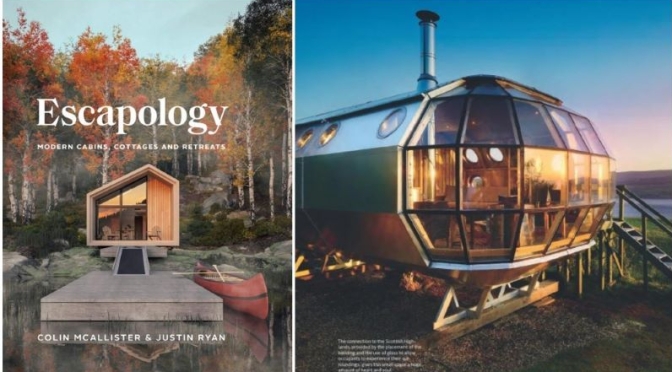
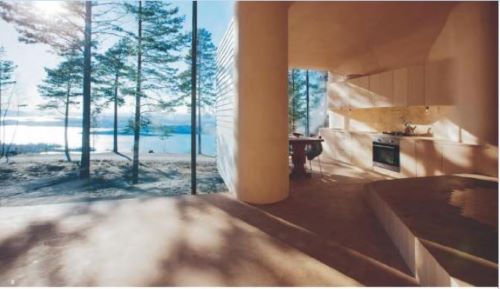
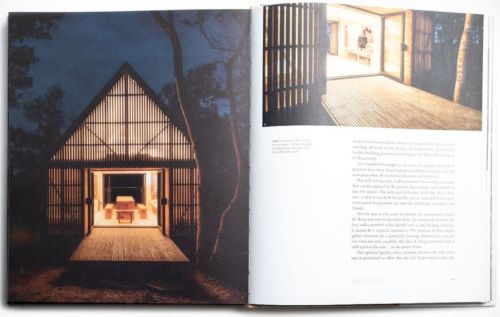
Escape from 2020 and give your mind a getaway with Escapology: Modern Cabins, Cottages and Retreats. Curated by Colin McAllister and Justin Ryan, the 265-page book takes you to 24 dreamy homes around the world where you can mentally cozy up around a wood-burning fire and immerse yourself in mother nature.
One minute you’ll be in a rugged mountain lodge and the next you’re held up in a minimal Scandinavian cabin surrounded by foilage. The duo even highlights their own retreat on Ontario’s Drag Lake. Filled with impressive photographs, this book might even inspire you to turn your own abode into your dream retreat.
Colin McAllister and Justin Ryan―Scottish interior designers, TV hosts, and property speculators―are cabin aficionados who divide their time between homes in Canada and their beloved Scotland. iEscapology: Modern Cabins, Cottages and Retreats is a stunning book of modern-day retreats―bucolic weekend escapes by the sea, remote getaways in the woods, and rustic mountain hideouts―to inspire peaceful and quiet living. The authors genuinely believe that cabin time has a remarkably positive impact on our health, wellbeing and our happiness.
Whether it’s a rustic cottage nestled deep within a Nordic forest, a robust mountain lodge in Montana, a breathtaking treehouse in Canada, or a steel-walled, one-room “hotel” in Denmark, these retreats share one vital aspect in common: they proffer the chance to escape and to and live in harmony with nature, far from the madding crowd. Part style bible and lifestyle manual, the book features a beautiful collection of classic and contemporary cottages and cabins, each accompanied by an informative design profile and beautifully photographed images.
And of course, the book is also packed with practical building and design advice that fans of Colin and Justin have grown to love. You’ll find relevant information about different types of dwelling styles, builds, sustainability/off-grid living, tiny homes, renovation on a budget, room zonings, décor and everything in between.
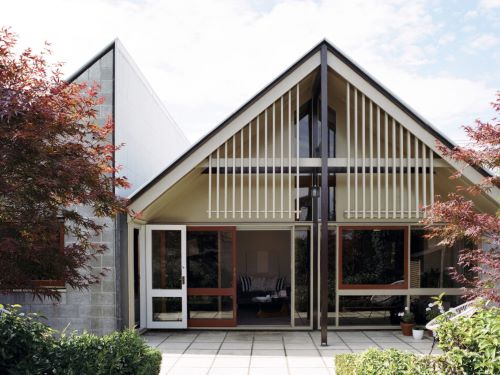
During the 1960s, Christchurch, New Zealand exploded with a creative force which developed into a distinct style of architecture that was widely admired and imitated and remains influential today.
This is a book about a modern architectural movement that bubbled up in a small, conservative city at the bottom of the world.
For a decade Christchurch architects worked with a potent energy and urgency, creating hundreds of homes (and many of New Zealand’s best public and commercial buildings) in a regional style that is arguably the closest thing the country has to a modern indigenous style of architecture.
The 12 homes illustrated in the book are just a small representation of the style and architects of the period. They remain as intact examples of the ideas, materials and optimism of the time.
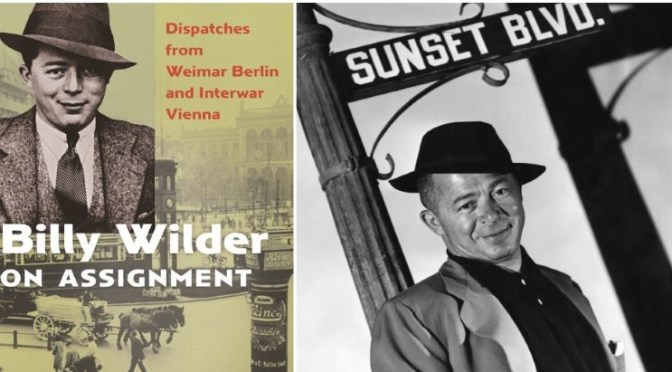
Billy Wilder on Assignment: Dispatches from Weimar Berlin and Interwar Vienna Billy Wilder
Edited by Noah Isenberg Introduction by Noah Isenberg Translated by Shelley Frisch
Acclaimed film director Billy Wilder’s early writings—brilliantly translated into English for the first time Before Billy Wilder became the screenwriter and director of iconic films like Sunset Boulevard and Some Like It Hot, he worked as a freelance reporter, first in Vienna and then in Weimar Berlin.
Billy Wilder on Assignment brings together more than fifty articles, translated into English for the first time, that Wilder (then known as “Billie”) published in magazines and newspapers between September 1925 and November 1930. From a humorous account of Wilder’s stint as a hired dancing companion in a posh Berlin hotel and his dispatches from the international film scene, to his astute profiles of writers, performers, and political figures, the collection offers fresh insights into the creative mind of one of Hollywood’s most revered writer-directors.
Wilder’s early writings—a heady mix of cultural essays, interviews, and reviews—contain the same sparkling wit and intelligence as his later Hollywood screenplays, while also casting light into the dark corners of Vienna and Berlin between the wars. Wilder covered everything: big-city sensations, jazz performances, film and theater openings, dance, photography, and all manner of mass entertainment. And he wrote about the most colorful figures of the day, including Charlie Chaplin, Cornelius Vanderbilt, the Prince of Wales, actor Adolphe Menjou, director Erich von Stroheim, and the Tiller Girls dance troupe.
Film historian Noah Isenberg’s introduction and commentary place Wilder’s pieces—brilliantly translated by Shelley Frisch—in historical and biographical context, and rare photos capture Wilder and his circle during these formative years.
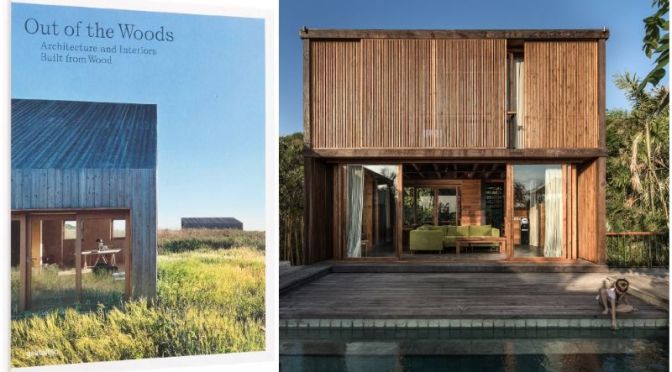
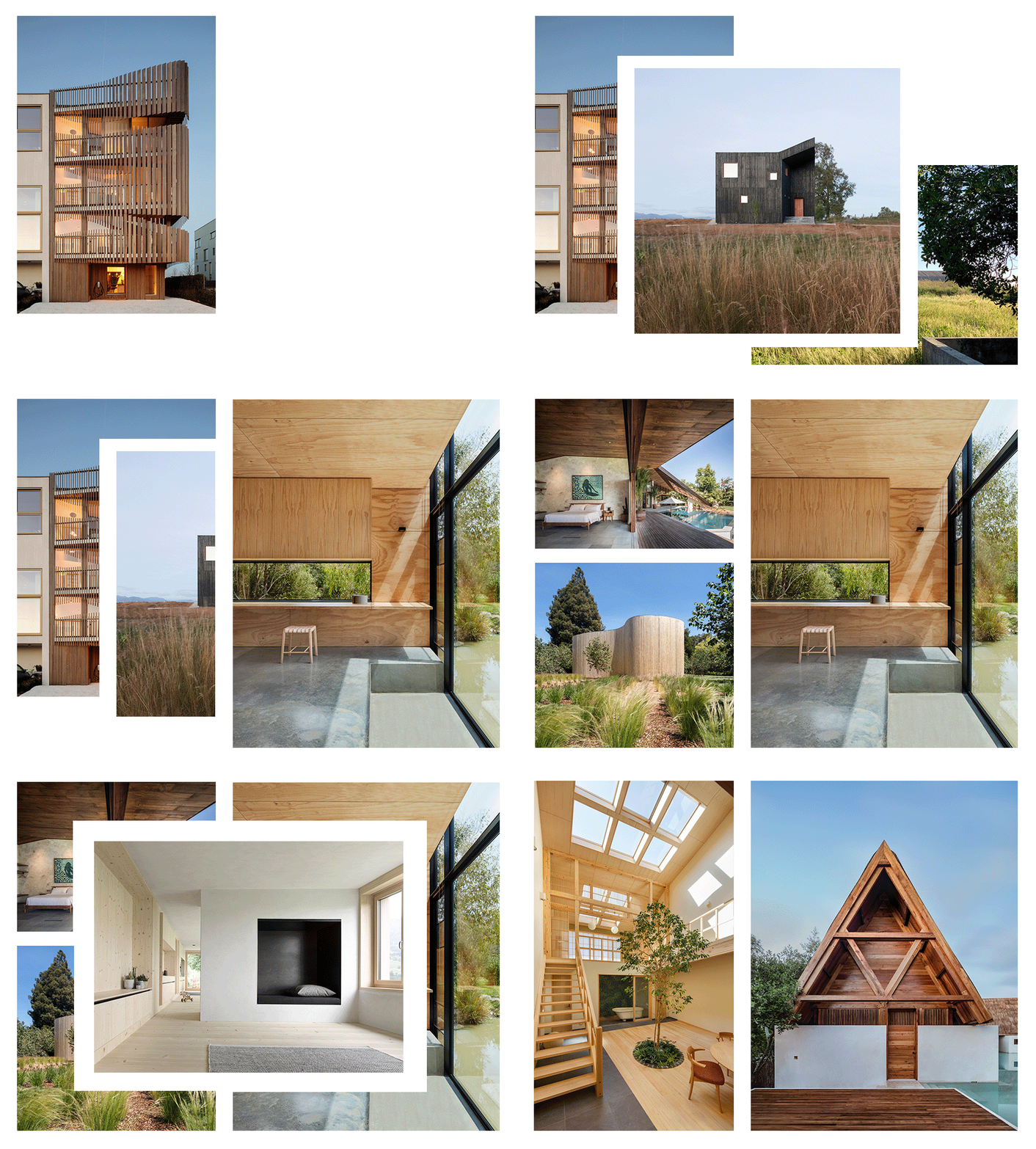
This book explores the innovative and inspiring ways architects are using this universal building material. Spanning grand Alpine escapes to tropical getaways, plywood penthouses to mass timber high-rises, Out of the Woods documents their progressive and inspiring creations from the foundations up.
Humans have been building homes from wood for thousands of years, and yet, in a contemporary world of option and innovation, the most primitive resource could in fact be the most pertinent.
Stretching back to historic Japanese houses, becoming synonymous with resort accommodation, and intertwining itself in the modern trend of hygge, its tactility and warmth have influenced countless architectural design movements. Timber is fast emerging as a viable material of choice, a safe, sturdy, and sustainable alternative to concrete. Architects are rediscovering wood’s universal appeal, thanks to recent technological advances.
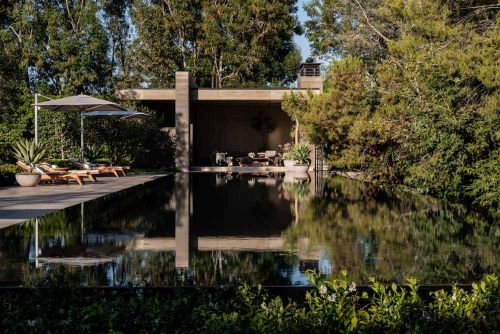
The first volume on his work, Scott Mitchell Houses is an exploration of the architectural designer’s impressive portfolio of projects. Mitchell’s houses are studies in space, materiality, and light. Emphasizing an elegant economy of space, his projects respond to the natural appeal of their locations, be they bucolic retreats on Long Island or resplendent beach houses overlooking the Pacific Ocean. The utilization of monolithic concrete, glass and steel curtain walls, and cantilevered roof planes reduces each building to its essential elements, cultivating a sense of balance and repose.
Merging formalist spatial logic and an atmosphereofcalm, the work bridges disparate architectural typologies to create places that are both poetic and profound.
Mitchell’s monolithic forms draw on the surrounding environment via floor to ceiling windows that open onto vistas so cinematic that Tom Ford utilized one of Mitchell’s homes in his neo-noir drama Nocturnal Animals. Through previously unpublished photographs, readers are given an exclusive view into eight pivotal projects that span the globe from the Hamptons to Melbourne, featuring images by RossBleckner, ScottFrances, TrevorMein and SteveShaw.
A foreword by PulitzerPrize-winning architecture critic PaulGoldberger, contribution by fashion designer CalvinKlein, and essay by architecture and design writer and author MichaelWebb further highlight the seductive style of Mitchell’s work.
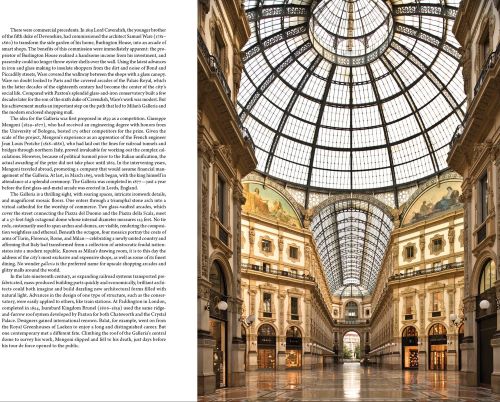
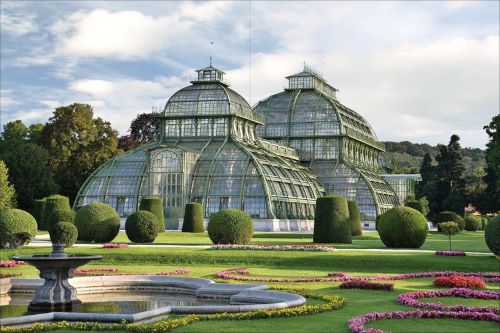
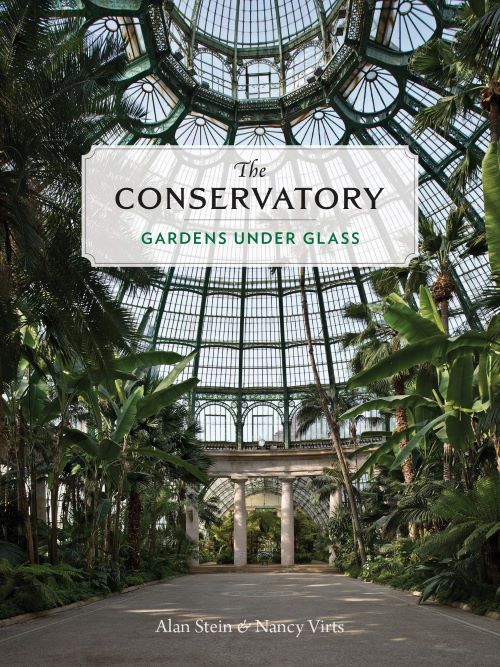
Through evocative archival and contemporary photographs, drawings of landmark structures, and graceful, accessible text, The Conservatory celebrates the patrons and designers who advanced the technology and architectural majesty of these light-filled structures. The importance of conservatories continues to grow with efforts to conserve phenomenal plants and their environments.
Elegant and magnificent, conservatories reveal fascinating social, cultural, botanical, and engineering advances as they have evolved across history. First appearing in the eighteenth century as simple structures designed to protect fruit trees and other delicate plants from harsh European winters, conservatories became grand glass houses that spread across the European continent, to the Americas, and ultimately around the world.
Alan Stein is President and Director of Architecture at Tanglewood Conservatories, Ltd., founded in 1993 with his wife and business partner, Nancy Virts. The company’s mission is to conceive and build the finest classical and modern glass conservatories. Tanglewood’s work has been published in Architectural Digest, Garden Design Magazine, The New York Times, Town & County and other periodicals around the world. Alan studied design at the California College of Art and graduated from the University of Maryland with a professional degree in architecture. He lives in Maryland.
Nancy Virts is cofounder of Tanglewood Conservatories, Ltd., with her husband and business partner, Alan Stein. The company conceives and builds the finest classical and modern glass conservatories. Tanglewood’s work has been published in Architectural Digest, Garden Design magazine, the New York Times, Town & Country, and other periodicals around the world.
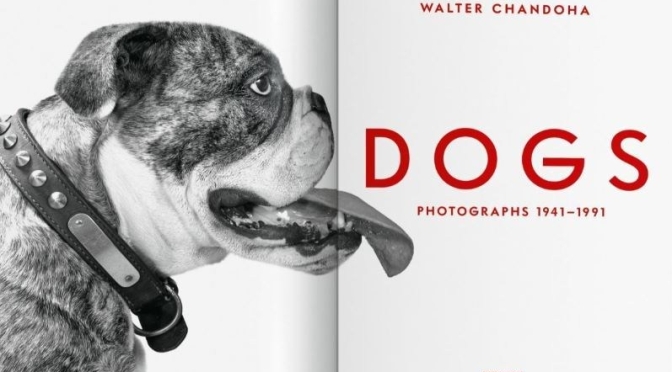
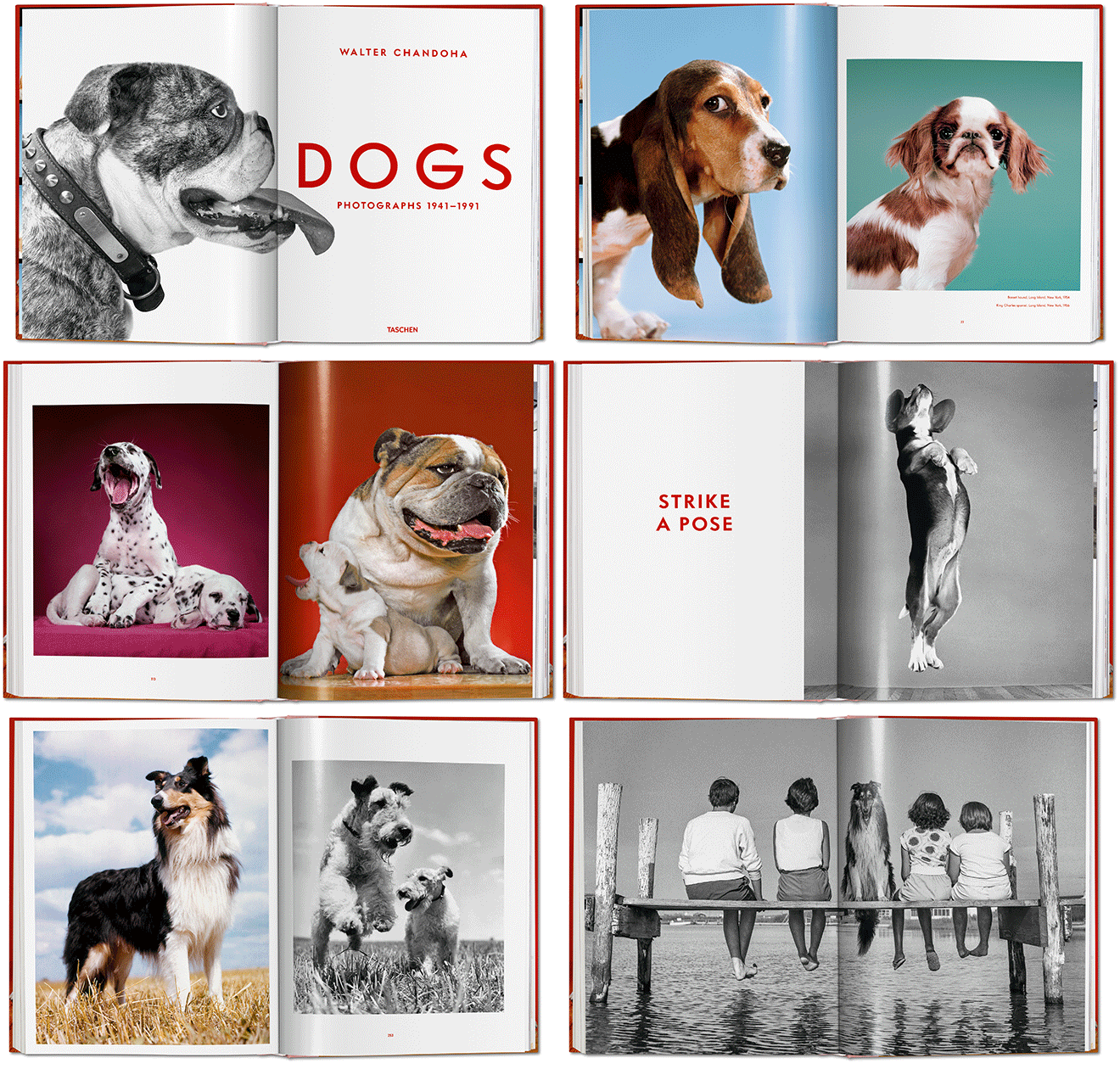
We see terriers, collies, beagles, bloodhounds, poodles, small dogs, big dogs, show dogs, working dogs, and many more, featuring over 60 breeds photographed in both black-and-white and glorious Kodachrome.
The world appears to be divided into cat and dog lovers, but fortunately Walter Chandoha, the 20th century’s greatest pet photographer found himself happily in the middle. He loved these intriguing creatures equally for their unique beauty and individualism, and as subjects to photograph in a career spanning over 70 years. While working on his critically acclaimed TASCHEN book Cats, Chandoha handpicked his favorite dog photos for a potential follow-up title, putting into carefully marked boxes hundreds of contact sheets, prints, and color transparencies, many unseen for at least 50 years, and some totally unseen.
Chandoha sadly passed away in 2019 at the age of 98, but his legacy lives on in this dashing sequel dedicated to man’s best friend. “Walter Chandoha’s photographs of dogs are compelling not just because dogs have an inherent charm, but because the person behind the camera was a master of his craft,” writes the photography critic Jean Dykstra in the book’s introduction.
Spanning a 50-year period, the book is divided into six sections, and each chapter reveals Chandoha’s exceptional combination of technique, versatility, and soul. The opening chapter “In the Studio” focuses on formal portraiture; next it’s “Strike a Pose” where our canine companions ham it up for the camera; in “Out and About” they get to roam and play, often photographed with Chandoha’s own children; next it’s “Best in Show” with Chandoha using his reportage skills to capture vintage dog shows from the Mad Men era; in “Tails from the City,” the dogs are hitting the streets of mid-century New York; and in the closing chapter “Country Dogs,” it’s back to nature, the fields, and the beaches. Dogs is an unleashed photographic tribute to these lovable and loyal creatures.
The photographer
Walter Chandoha(1920–2019) was a combat photographer in the Second World War, before a chance encounter with a cat led him on a path that would shape his professional career. He is regarded as the world’s greatest domestic animal photographer with a career spanning over seven decades and an archive of more than 200,000 photographs. His photographs have appeared on over 300 magazine covers, thousands of advertisements, and were regularly featured in magazines such as Life, Look, and their equivalents around the world.
The editor
Reuel Golden is the former editor of the British Journal of Photography and the Photography editor at TASCHEN. His TASCHEN titles include: Mick Rock: The Rise of David Bowie, both London and New York Portrait of a City books, Andy Warhol. Polaroids, The Rolling Stones, Her Majesty, Football in the 1970s, the National Geographic editions, and The David Bailey SUMO.
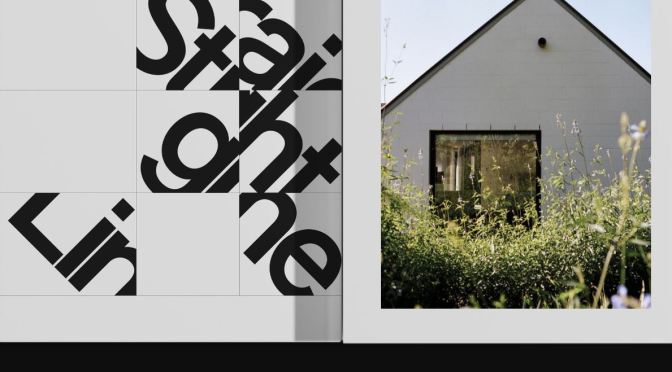
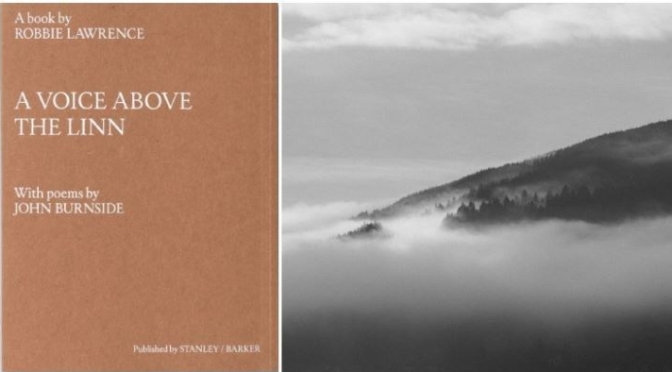
In ‘A Voice Above The Linn’ Lawrence collaborated with the renowned poet John Burnside, who contributed four beautiful new poems to segment its chapters.
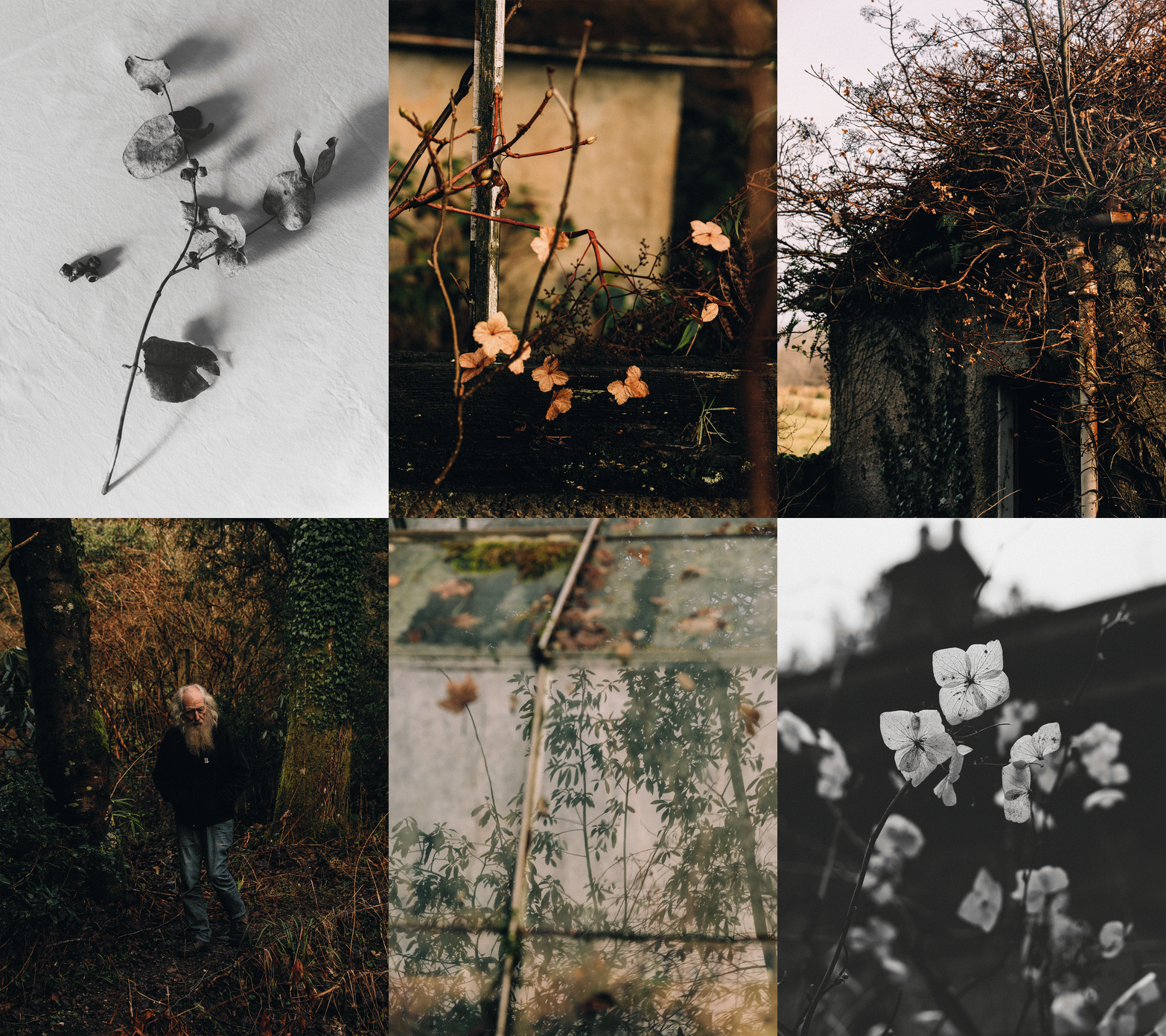
In 2016 Robbie Lawrence first travelled to a remote stretch of coastline in the west coast of Scotland, to Linn Gardens, which lies at the head of Cove Bay on the west side of Rosneath peninsula. The gardens had been run for fifty years by Jim Taggart, an avid botanist and gardener.
Jim discovered that the region’s subtropical climate allowed him to grow plants and flowers from all over the world. His endeavours led to the estate being covered in an intricately plotted web of ferns, bamboos, Magnolias and Rhododendrons. As Jim got older, his son Jamie took over the more physical elements of maintaining the garden, including travelling abroad to research and gather new plants. On one such journey, to the northern mountainous region of Vietnam, Jamie disappeared. His body was found years later, he had evidently fallen in one of the mountain’s higher passes.
“When I first met Jim, who by this point was well into his 80s, he told me that he decided to keep the garden going as a memorial to his son. Over the past few years, I went back to visit Jim and document the garden as it passed through the seasons. Despite his age, Jim would bound around the garden, occasionally stopping to provide a lengthy anecdote about a particular fern or tree. Last summer, Jim passed away at the age of 84.” – Robbie Lawrence
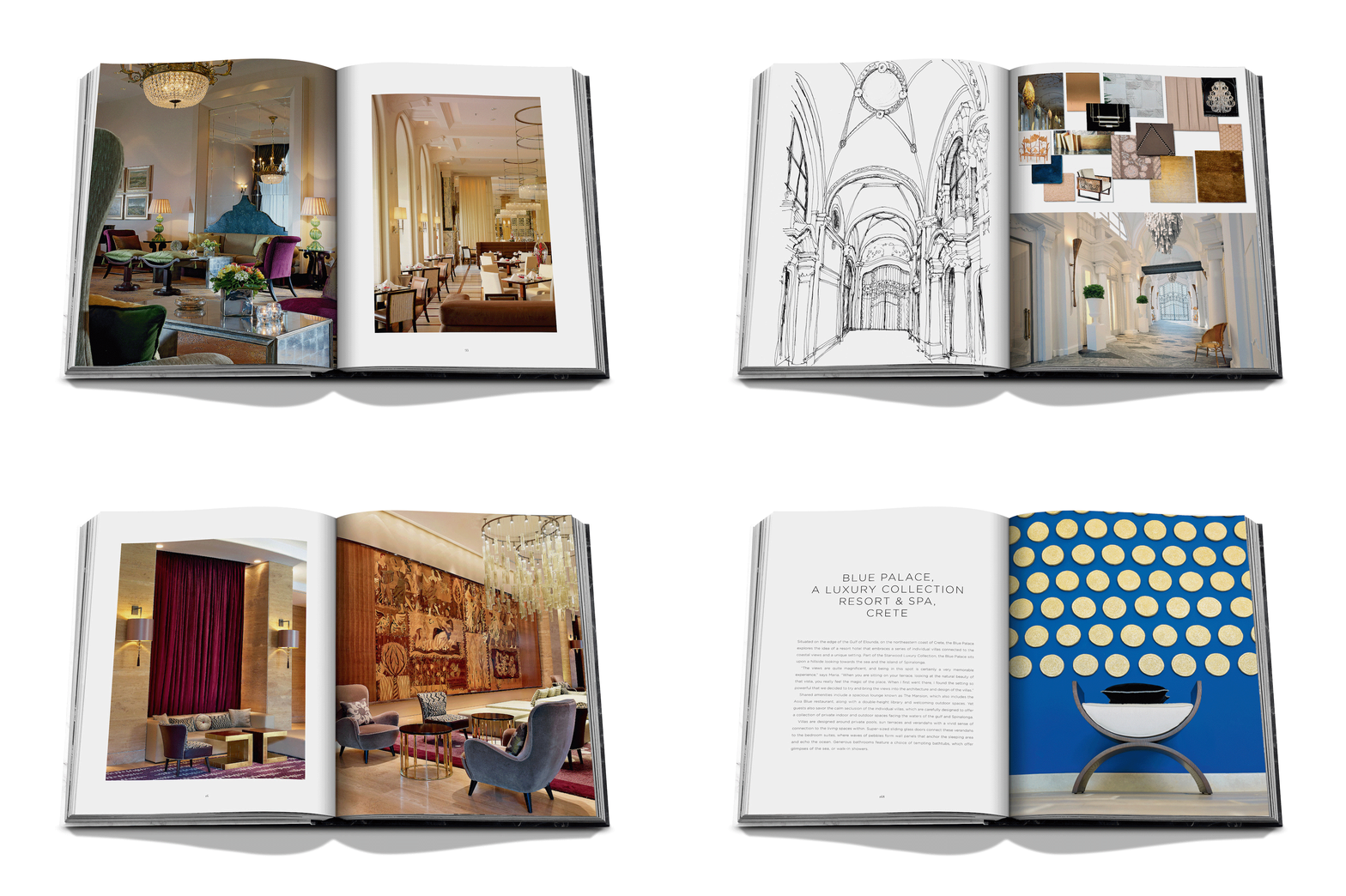
Going deeper than mere decoration, London-based interior designer Maria Katsarou Vafiadis and her team have accomplished a broad range of exclusive projects around the world, from leading hotel groups to unique residential properties. MKV Design is distinguished by its distinct vision for exciting and intelligent designs that move people emotionally.
Showcasing the designer’s extensive understanding of the hospitality industry, this comprehensive volume explores MKV Design’s most prominent projects to date, highlighting the balance between commercial demands and artistic integrity. Design Alchemist brings together an impressive array of signature works, elegantly capturing the creative trajectory of an innovative and far-reaching design practice.
Dominic Bradbury is a writer, journalist, lecturer and consultant specializing in architecture and design, as well as property and travel. He has written over twenty books, including Mid-Century Modern Complete, The Iconic House and The Iconic Interior (Thames & Hudson) and Winch Design (Assouline). Bradbury is also a contributor to The Financial Times, The Times, The Telegraph, House & Garden, World of Interiors, Wallpaper, Vogue Living, Architectural Digest and Elle Décor.















 Boomers Daily