
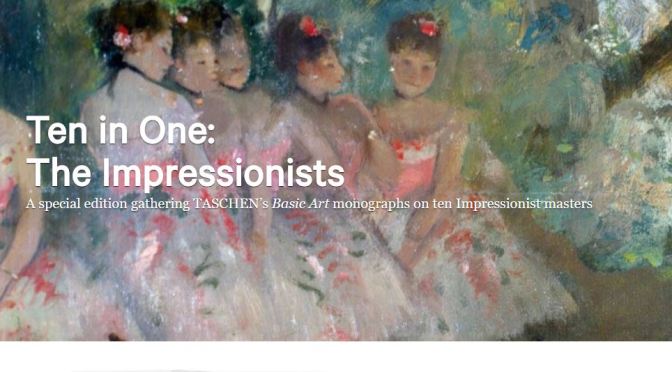
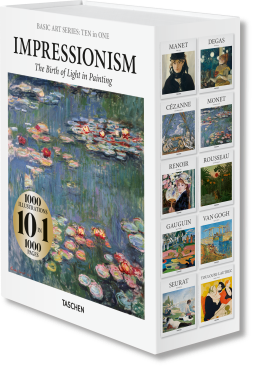
 The lives and oeuvres of Impressionist pillars Cézanne, Degas, Gauguin, Manet, Monet, Renoir, Rousseau, Seurat, Toulouse-Lautrec, and van Gogh are each explored in-depth in TASCHEN’s Basic Art series. Now, this volume combines all 10 monographs into one for the price of three.
“These seductive books have slick production values, excellent illustrations, and smart texts. Each one is a fast-food, high-energy fix on the topic at hand.” – The New York Times Book Review
This book gathers ten Basic Art monographs into one volume featuring:
- Cézanne, Degas, Gauguin, Manet, Monet, Renoir, Rousseau, Seurat, Toulouse-Lautrec, and van Gogh
- a detailed chronological summary of the life and oeuvre of each artist, covering their cultural and historical importance
- approximately 1,000 illustrations with explanatory captions

With blockbuster exhibitions, record-breaking auction prices, and packed museums, Impressionism remains close contender for the world’s favorite period of painting. Its favorite subjects— from dappled harbor scenes and summer days to vibrant Parisian salons and gardens—brim with optimism and joie de vivre. The works once dismissed as unfinished or imprecise are now beloved for their atmospheric evocation of time and place, as well as the stylistic flair of rapid brushstrokes upon canvas.
What we take for granted today—the relativity of perception depending on the viewer, lighting mood, or location to the object—was then the inspiration for some of the finest paintings in art history. Consider Monet’s 30+ variations of the Rouen Cathedral, Cézanne’s dazzling experimentation with color, Gauguin’s primitivist innovations, or Manet’s scandalous nudes: rarely has a single genre produced so many brilliant artists in such a short time.
Since 1985, TASCHEN’s Basic Art series has published some 200 individual volumes, making it the world’s most successful art-book series. Each title contains an extensive text on the artist’s life and work, a detailed biography, and some 100 high-quality color illustrations with explanatory captions. With Ten in One, TASCHEN now presents ten Basic Art monographs in one volume. A must for every art lover!


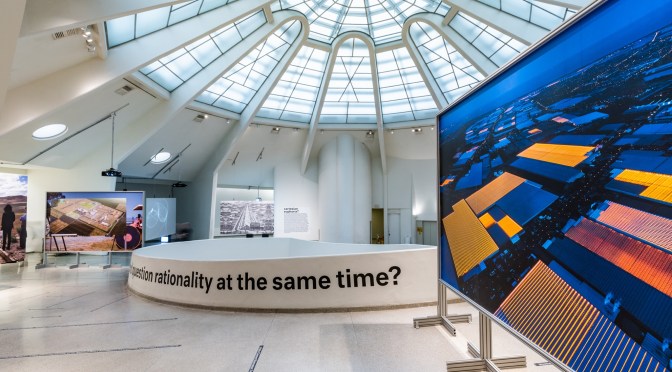
 by AMO, Koolhaas, with students at the Harvard Graduate School of Design; the Central Academy of Fine Arts, Beijing; Wageningen University, Netherlands; and the University of Nairobi. The exhibition will examine the modern conception of leisure, large-scale planning by political forces, climate change, migration, human and nonhuman ecosystems, market-driven preservation, artificial and organic coexistence, and other forms of radical experimentation that are altering landscapes across the world.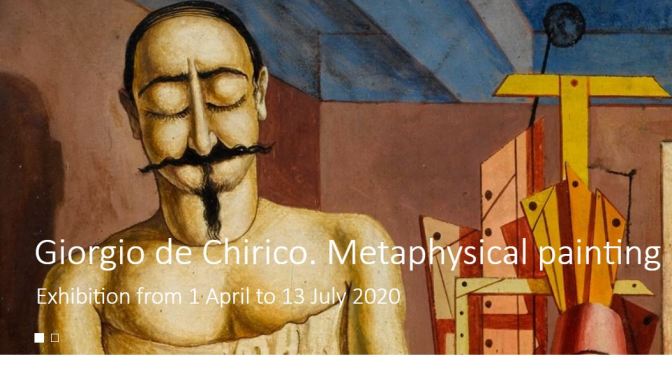
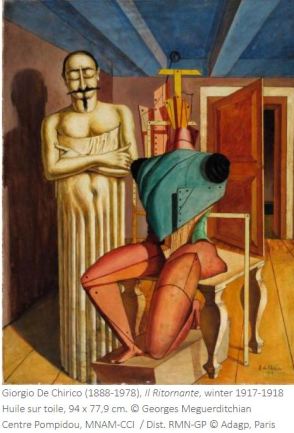 subsequently backed by the art dealer Paul Guillaume – and the Parisian cultural and literary circles will be highlighted as never before.
 The exhibition thus comes into its own at the Musée de l’Orangerie alongside the figure of Paul Guillaume, the first art dealer to work with Giorgio de Chirico. On his return to Italy in 1915, he and his brother Savinio were sent to Ferrare for military reasons, where he continued his artistic research. This period (June 1915-December 1918) provided an opportunity for painters Carlo Carrà and Giorgio Morandi to get to know the two brothers, thus resulting in the creation of what was later to be known as the “metaphysical movement” which brings the exhibition to a close.
 Prevention
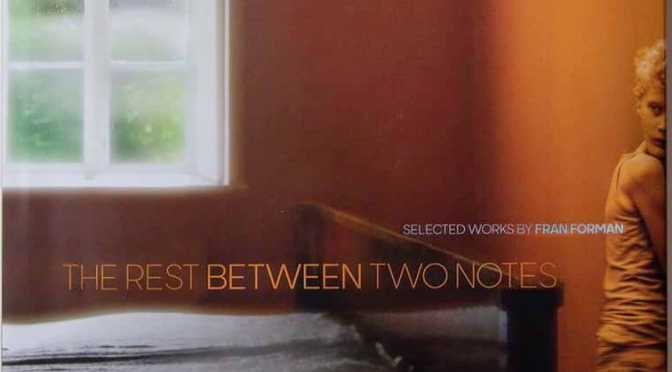
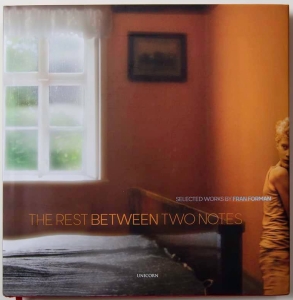 Forman’s photo-paintings explore those liminal and in-between moments – of coming and leaving, innocence and confidence, shadow and light, night and day, absence and connection, loss and longing, and not quite the past and not yet the future. Portals, both real and metaphorical, frequent her layered, complex and often dreamlike images.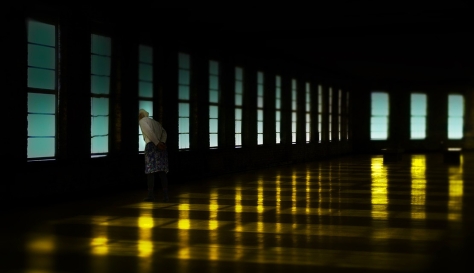
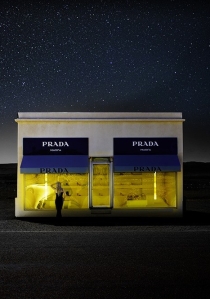 Her work is recognized for imbuing harmonious compositions and for her explosive use of color, light, and shadow.Forman’s images elicit emotions of desire, vulnerability, and a desperate longing for connections.
 Hotel Torni (“Hotel Tower”) is a historical hotel located in Helsinki, Finland, and a part of the Sokos Hotels hotel chain. When opened in 1931, it became the tallest building in Finland, a position it maintained until the completion of the new Neste headquarters in neighboring Espoo in 1976.
 The Bizzarrini Strada (also 5300 GT Strada and 5300 GT), was a gran turismo automobile produced by Bizzarrini from 1964 to 1968. Sold as an exceptionally low slung 2-seat coupe, roadster, and track-tuned “Corsa” racer, it proved their most successful model.
 A personal chef monograph, and the first book, from globally-acclaimed chef Ana Roš of Hiša Franko in Slovenia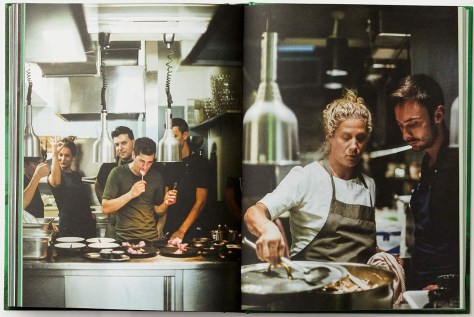
 Boomers Daily