
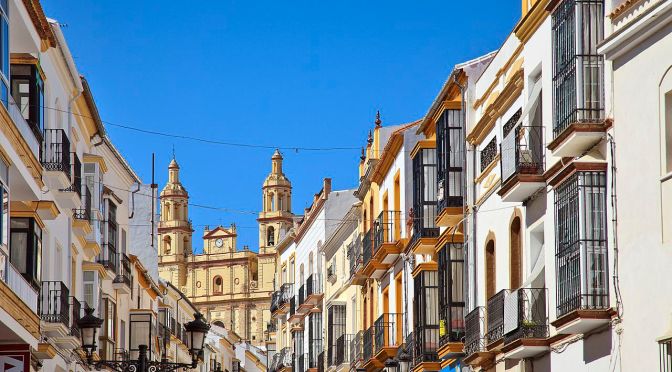
From a New York Times online article:
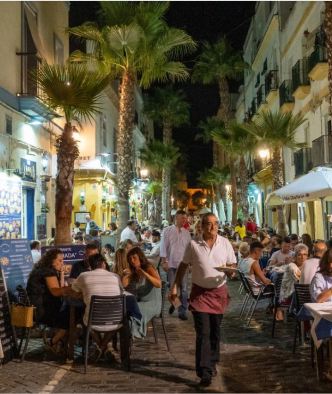 One of the reasons the province of Cádiz is on this year’s 52 Places list is food, as chefs in the area are innovating with pork and fish, the base ingredients here. I tried out a few of the white-tablecloth joints, but came away remembering the noisy, cheap tapas bars that have been around forever.
What makes Andalusian cuisine so delicious are the ingredients, and sometimes less is more. Why go crazy with reductions and infusions when freshly caught sardines sprinkled with olive oil are enough to elicit moans?
Cádiz, the province and city on Spain’s southwestern edge, is an underdog — and I’m among the many travelers who have spent years overlooking it. I know Andalusia, the southern region it is part of, well. For years, it’s been a meeting point for my family who has just as much wanderlust as I do and is spread across the world.
To read more: https://www.nytimes.com/2019/09/03/travel/cadiz-an-underrated-corner-of-spain.html

 This year, the Foundation is pleased to once again partner with the Mushroom Council to host the Blended Burger Project*, which encourages chefs to create a healthier, more sustainable, and tastier burger that can be enjoyed by consumers across the country, while also educating diners about the many benefits of The Blend and the future of food.
  To read more: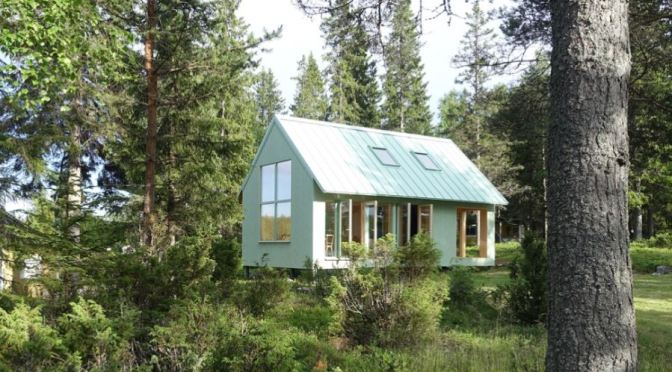
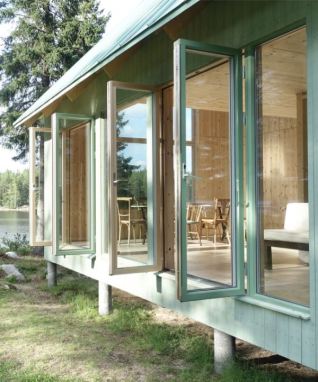 During the summers, the northern Swedish island of Kallaxön is bright for nearly 24 hours a day, which means the windows that wrap the house are put to good use. Inside, the house is clad entirely in pale timber.
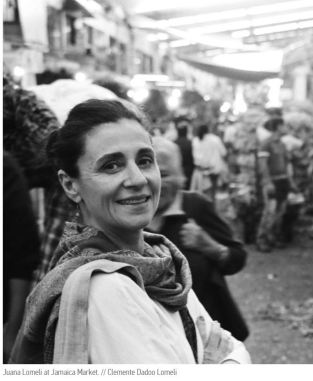 The city’s great unifier and appeal is its cuisine, especially the street-food: corner quesadillas, fast food tents outside of subway stops, stews served over hand-made tortillas, deep fried chicken tacos, tacos topped with rice served from street stands or a make-shift diner in the back of a van. In Mexico City, one can find great food everywhere at any price-point and at any time of day.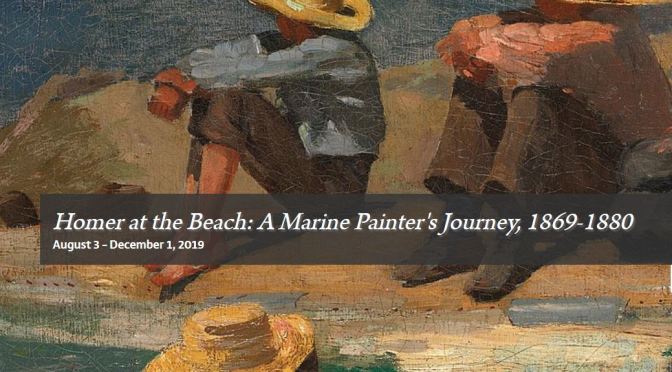
 That’s how I felt while visiting “Homer at the Beach: A Marine Painter’s Journey, 1869-1880,” an intimate exhibition at the Cape Ann Museum. The show is handsome, historically rich and perfectly positioned here at this harbor venue, which devotes galleries to regional maritime and fishing artifacts, local decorative arts, Gloucester sea captain Elias Davis ’s house and the works of the renowned illustrator and marine painter Fitz Henry Lane (1804-1865), a Gloucester native with whom Boston-born Winslow Homer (1836-1910) had much in common.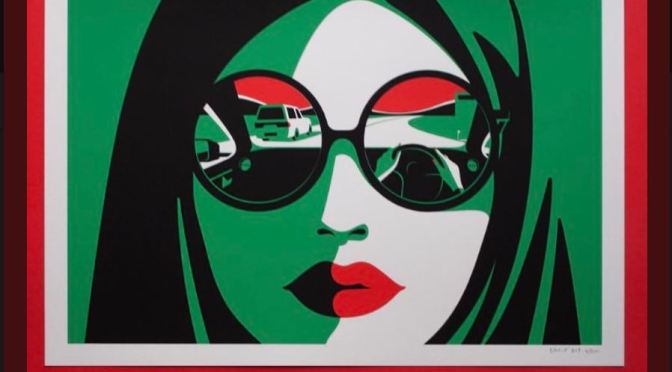
 From the top floor of a 1920s building in Hackney, in the East End of London, Favre’s confidence is at a peak. The bold, graphic style she has developed over the last fifteen years attracts prestigious projects. When she was invited to design the poster for this year’s Montreux Jazz Festival, held every summer in Switzerland since 1967, she became part of a group that includes Milton Glaser, Andy Warhol and Keith Haring. Her poster is full of female silhouettes dancing, the negative spaces between them forming instruments.
 Favre is a French artist based in London.
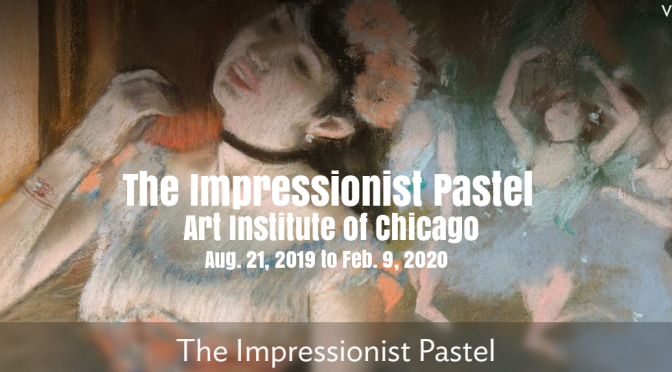
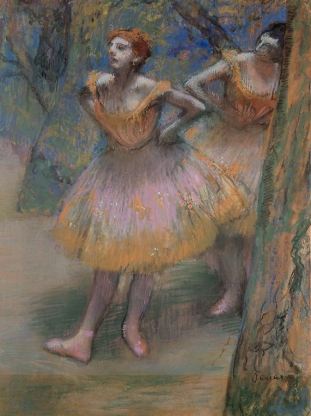 This focused installation features pastels by four artists whose work was shown in the Impressionist exhibitions: Mary Cassatt, Edgar Degas, Eva Gonzalès, and Berthe Morisot. Their subjects range from scenes of modern life, such as ballet performers and a woman working in a hat shop, to depictions of intimate moments of bathing and women with children.
 Pastel, a medium used to draw on paper or, less often, on canvas, is made by combining dry pigment with a sticky binder. Once artists have applied the pastel to the surface, they can either blend it, leave their markings visible, or layer different colors to create texture and tone. Pastel portraits had previously gained popularity in France and England in the 18th century, but fell out of fashion with critics when pastel was deemed too feminine; not only was it used by women artists, but it had a powdery consistency similar to women’s makeup. The Impressionists rejected this bias and instead embraced the medium’s ability to impart immediacy, boldness, and radiance.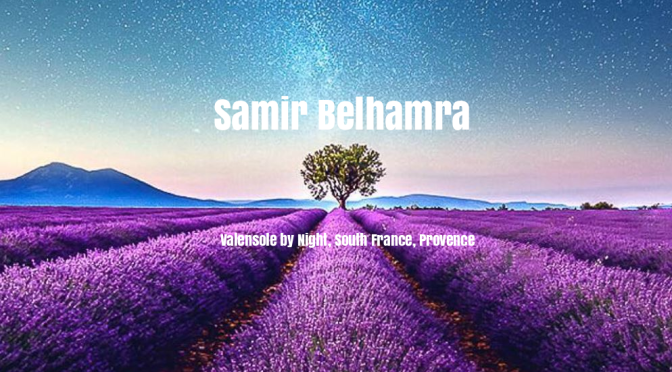
 To many nature photographers, no muse is quite as magical as a field of flowers. This tried and true subject is particularly popular with aerial photographers, whose atmospheric shots allow us to explore the mesmerizing meadows from soaring perspectives. One photographer taking this trend to new heights is

 Giovannoni describes it as “immersive omnidirectional” sound with richer bass. “It feels like you’re inside the song,” says one wide-eyed subject in
  Boomers Daily