Category Archives: Reviews

Design: AI-Generated ‘Gaudí’ Home Appliances

AI-generated series redesigns vibrant household appliances in gaudí aesthetic

designboom (December 11, 2022) – Visual storyteller Marcus Byrne envisions regular household appliances in Antoni Gaudí’s architectural aesthetic using artificial intelligence image generator software. The graphic designer re-imagines everyday objects drawing from the famous architect’s vibrant intricate designs.

The twentieth-century styles such as neo-gothic, art nouveau, and modernism that characterize Gaudí’s designs are reflected in the AI-generated images through vivid colors and free-flowing coral-like shapes. The digital art series are illustrated through the process of combining popular text-to-image software, Midjourney, and Photoshop for additional editing. 

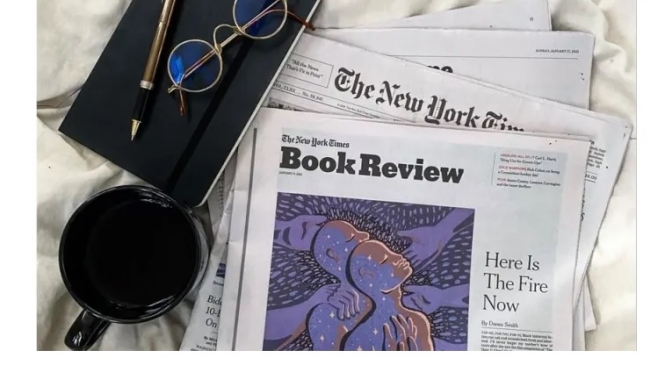
Books: The New York Times Book Review – Dec 11, 2022

The New York Times Book Review - December 11, 2022 | Magazine PDF

@nytimesbooks December 11, 2022 features:

2022 Reading Picks From Times Staff Critics

The books they read this year that have stayed with them.

When It Comes to Picture Books, Santa Sells

At this time of year, the best-selling books for children are all Christmas, all the time. And they’re not even new!

A Family Drama, Taiwan History and Murder Case, Rolled Into One

“Ghost Town,” a novel by Kevin Chen, recounts the overlapping — and hotly contested — memories of a Taiwanese family.

Opinion: The End Of Cheap Money, Great Britain’s Tier 2 Cities, Age Of ‘Boring AI’

December 11, 2022: A selection of three essential articles read aloud from the latest issue of The Economist. This week features ‘The End of Cheap Money’, Britain’s Second-Tier Cities & The Age of ‘Boring AI‘.

Analysis: Is Traditional Agriculture Sustainable?

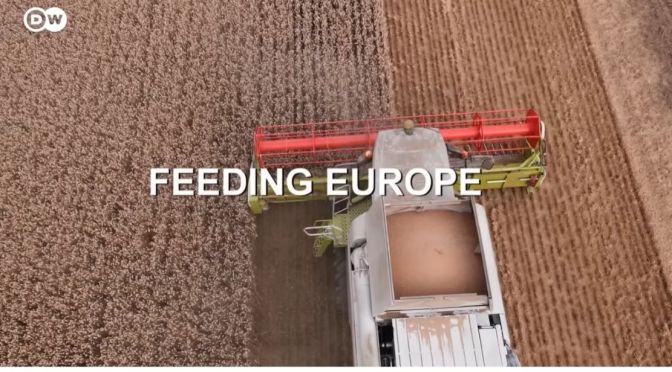
DW Documentary (December 10, 2022) – Is sustainable agriculture possible in Europe? From Spain’s “plastic sea” of greenhouses, to farmer suicides in France, the organics boom and high-tech production, it’s clear that Europe’s agricultural sector is in a period of extreme flux. And it needs to change: Agricultural landscapes are shaped by the history of our continent and inextricably bound up with its identity.

But farmers are struggling. They’re under constant pressure to produce more, at lower prices and can no longer hold out against the stiff competition. Most European farms are still family-run businesses, but it’s the large-scale enterprises that benefit from EU subsidies. These companies practice intensive farming, which we now know has a detrimental effect on biodiversity and human health.

This kind of agricultural system is also very bad for soil quality and is now seen as obsolete. With every crisis that occurs, its shortcomings become more evident. The pace of climate change now requires rapid responses to crucial questions: How to sustainably feed more than 500 million Europeans? What steps can be taken to stem the catastrophe resulting from the dramatic rise in meat consumption (up 60 per cent in 60 years) and its associated intensive production of cereal crops?

Solutions are presenting themselves, and many farmers have already seized the initiative. Throughout the European continent, they are the main drivers of a vital 21st century agricultural revolution: a return to traditional farming methods, intelligent or urban agriculture, fewer mass imports, research into in-vitro meat and meat substitutes. These are just some of the approaches being explored by European farmers in a bid to protect biodiversity, the landscape and the health of human beings.

Reviews: The Seven Best Books On Politics In 2022

The Economist – Best books on politics in 2022:

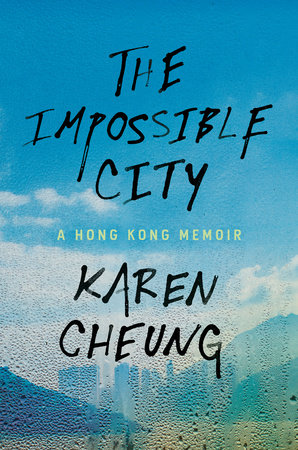
The Impossible City By Karen Cheung

The Impossible City by Karen Cheung

An illuminating and moving personal account of how Hong Kong descended into the mass street unrest of 2019, and of the pandemic-abetted repression that has crushed it since. The author speaks powerfully for a desperate generation of young Hong Kongers conscious that their home city has lost what made it home.

There Are No Accidents. By Jessie Singer

There Are No Accidents

A look at why Americans are so much more likely to suffer violent “accidents” than people in other rich countries. The author shows how poor road design, rather than bad driving, explains the persistence of car crashes and how factories use rule books and disciplinary procedures as a cheap substitute for real safety improvements.

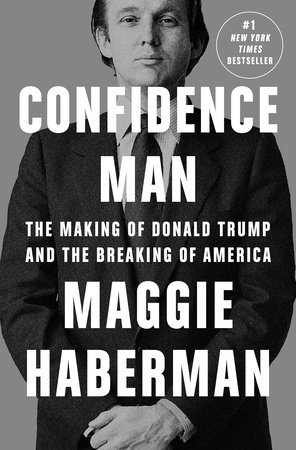
Confidence Man. By Maggie Haberman

Confidence Man by Maggie Haberman

A chronicle of the life and lies of the 45th president of the United States, from outer-borough brat to White House bully. This portrait of a master scammer is by a New York Times journalist who covered Donald Trump for decades. He learned early, she notes, that celebrity was power.

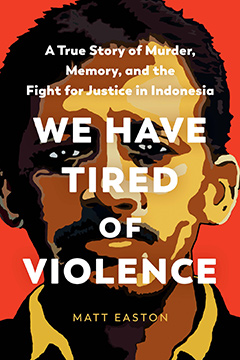
We Have Tired of Violence. By Matt Easton

We Have Tired of Violence

meticulous narration of the efforts to bring to justice the killers of Munir, a prominent Indonesian human-rights activist murdered in 2004. It reads like an enthralling legal-procedural whodunnit, as evidence is slowly unearthed from telephone records, lost documents are retrieved from deleted computer files and intriguing new witnesses emerge.

The Naked Don’t Fear the Water By Matthieu Aikins

In 2016 the author, a Canadian journalist, went undercover to accompany an Afghan friend on his perilous journey to a new life in Europe—always knowing that, if push came to shove, he could fall back on his Western citizenship, while his friend would have to rely on his luck. The result is a devastatingly intimate insight into the refugee crisis.

The Age of the Strongman By Gideon Rachman

It is striking how many of today’s leaders fit the strongman mould, notes a columnist for the Financial Times (formerly of The Economist). His subjects, including Xi Jinping and Prince Muhammad bin Salman, are a threat not only to the well-being of their own countries, he says, but to a world order in which liberal ideas are increasingly embattled.

The Economic Weapon By Nicholas Mulder

A fortuitously timed history of the use of economic sanctions during the interwar period of the 20th century. Their mixed success cautions against hoping that the West’s sanctions against Russia can bring about an end to war in Ukraine.


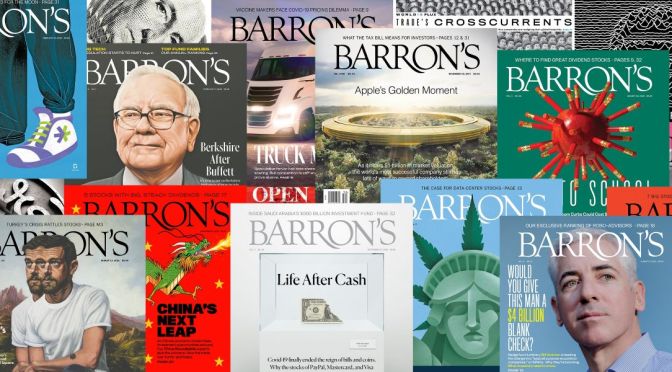
Financial Review: Barron’s Magazine – Dec 12, 2022

Image

@barronsonline December 12, 2022 issue:

Retirees Put Their Lives on Hold for Covid. Inflation Is Forcing Them to Do It Again.

Retirees Put Their Lives on Hold for Covid. Inflation Is Forcing Them to Do It Again.

“Nobody budgets this kind of inflation.” How retirees are responding to the fastest-rising prices in 40 years.

Cash Yields Are a Bright Spot for Retirees. Here’s How Much You Need.

High inflation and the volatile stock market have wreaked havoc on people’s retirement plans. Cash—handled correctly—can provide some relief.

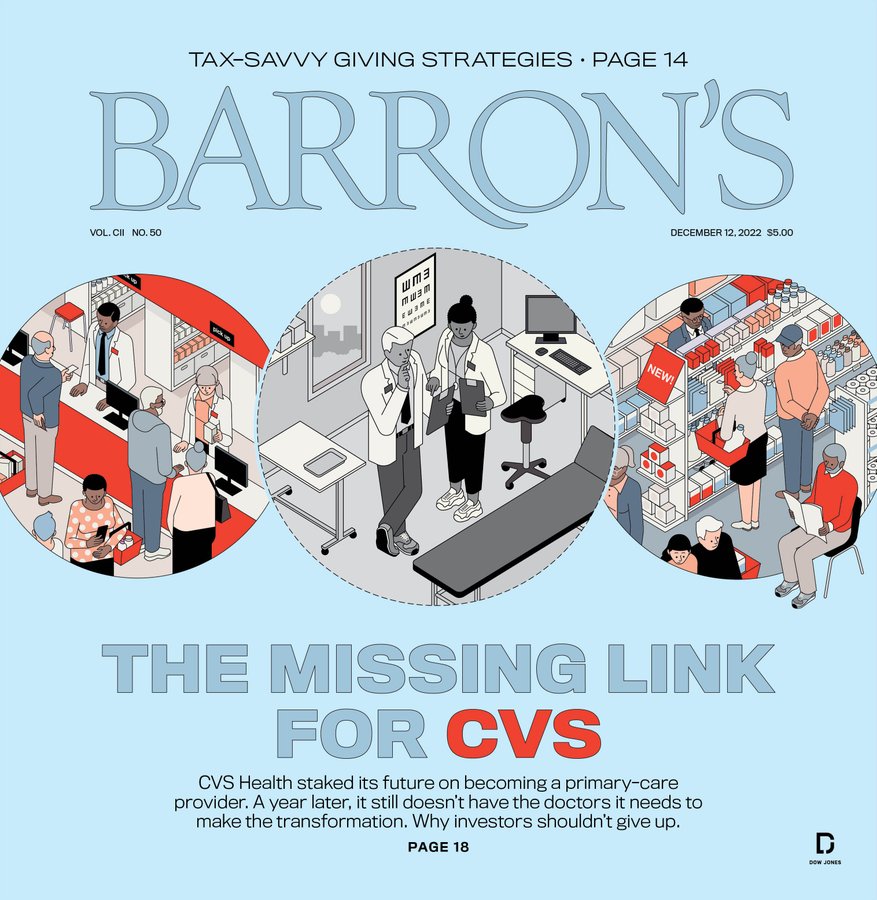
CVS Wants to Be America’s Healthcare Provider. All It Needs Now Are Doctors.

The company’s big bet on primary care hasn’t yet come to pass. Should investors be worried?

This Industrial Stock Could Soar 40%

Investors are punishing Regal Rexnord for acquiring Altra Industrial Motion as the economy weakens. Those concerns are overblown.

The Lesson of Blackstone’s Retail Real Estate Fund: Liquidity Matters

The Lesson of Blackstone’s Retail Real Estate Fund: Liquidity Matters

The firm’s nontraded real estate income trust, BREIT, was a big success until the turmoil of 2022. When redemption requests mounted, the firm limited them, raising a raft of issues, from fears of outflows to regulatory scrutiny.

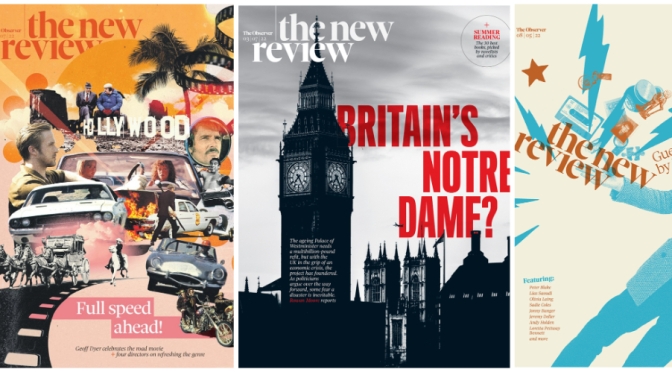
Culture: The New Review Magazine – Dec 11, 2022

Image

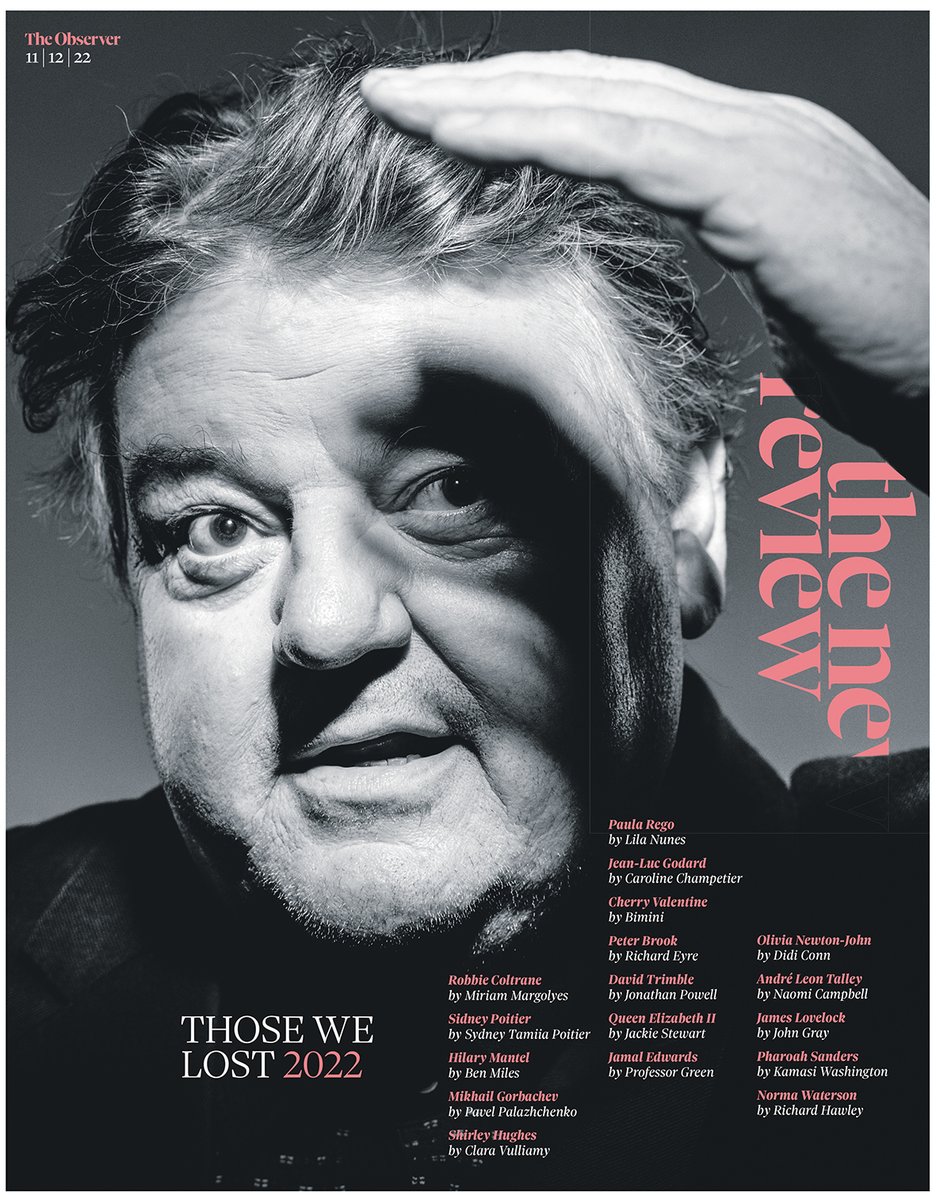
@ObsNewReview December 11, 2022 – Those we lost in 2022:

Hilma af Klint: A Biography by Julia Voss review – portrait of the painter as a mystic

The Swedish abstract artist who conversed with the dead is described as a woman years ahead of her time in this scholarly, sympathetic study

My Life in Sea Creatures by Sabrina Imbler review – the joys of jellyfish, sturgeon and whales

The gifted science writer’s lyrical collection doesn’t always flow smoothly between reverie and fact, but remains intriguing

World Economic Forum: Top Stories – Dec 9, 2022

World Economic Forum (December 9, 2022) – This week’s top stories of the week include:

  • 0:15 The world’s most expensive cities – This list of the most expensive cities is based Worldwide Cost of Living 2022 report that compares 200 products and services in more than 170 cities. Prices in big cities have risen by an average of 8.1% in the past year. Their fastest rise for 20 years. Driven by the knock-on effects of the pandemic and Russia’s invasion of Ukraine, some of these most expensive cities have high wages and taxes, while another has an average rent of about 92% of the median worker’s pre-tax salary. Watch to know which cities are the most expensive to live in.
  • 1:36 The era of the megalopolis has begun – Today 60% of people live in urban areas, and by 2100 it’s forecast to be 85%. We are entering the era of the megalopolis. Cities around the world are merging as they grow and spread, forming supercities connected by urban sprawl. The largest megalopolis is in China – it’s known as the Greater Bay Area. But what are megapolis?
  • 2:53 Scientists develop a universal flu vaccine – Scientists have developed a universal flu vaccine. It’s effective against all 20 known strains of flu and could help us fight off dangerous new strains before they develop into a pandemic. The new vaccine could be in use within 2 years.
  • 3:53 This device will heat our homes sustainably – Heat pumps run on electricity rather than fossil fuels and are 3 times more efficient than gas boilers. They capture thermal energy from the air outside and use that energy to warm your home.

Aviation: China’s ‘Comac C919’ Vs Boeing ‘737 MAX 8’

Wall Street Journal – China’s first homegrown narrow-body jet is looking to compete with Western giants like Boeing. WSJ unpacks the design and technology of Comac’s C919 and the 737 MAX 8 to see how China’s deep reliance on foreign parts could stymie Beijing’s ambition to succeed.