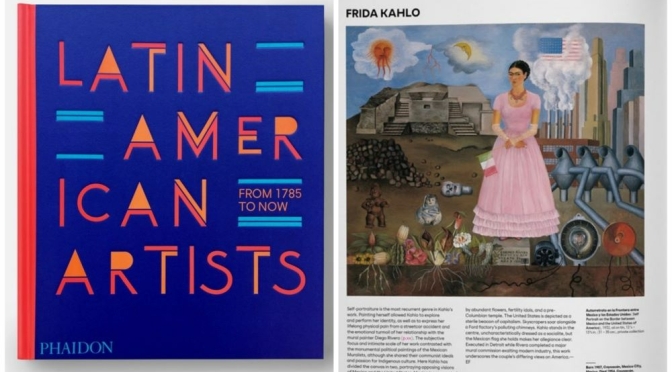
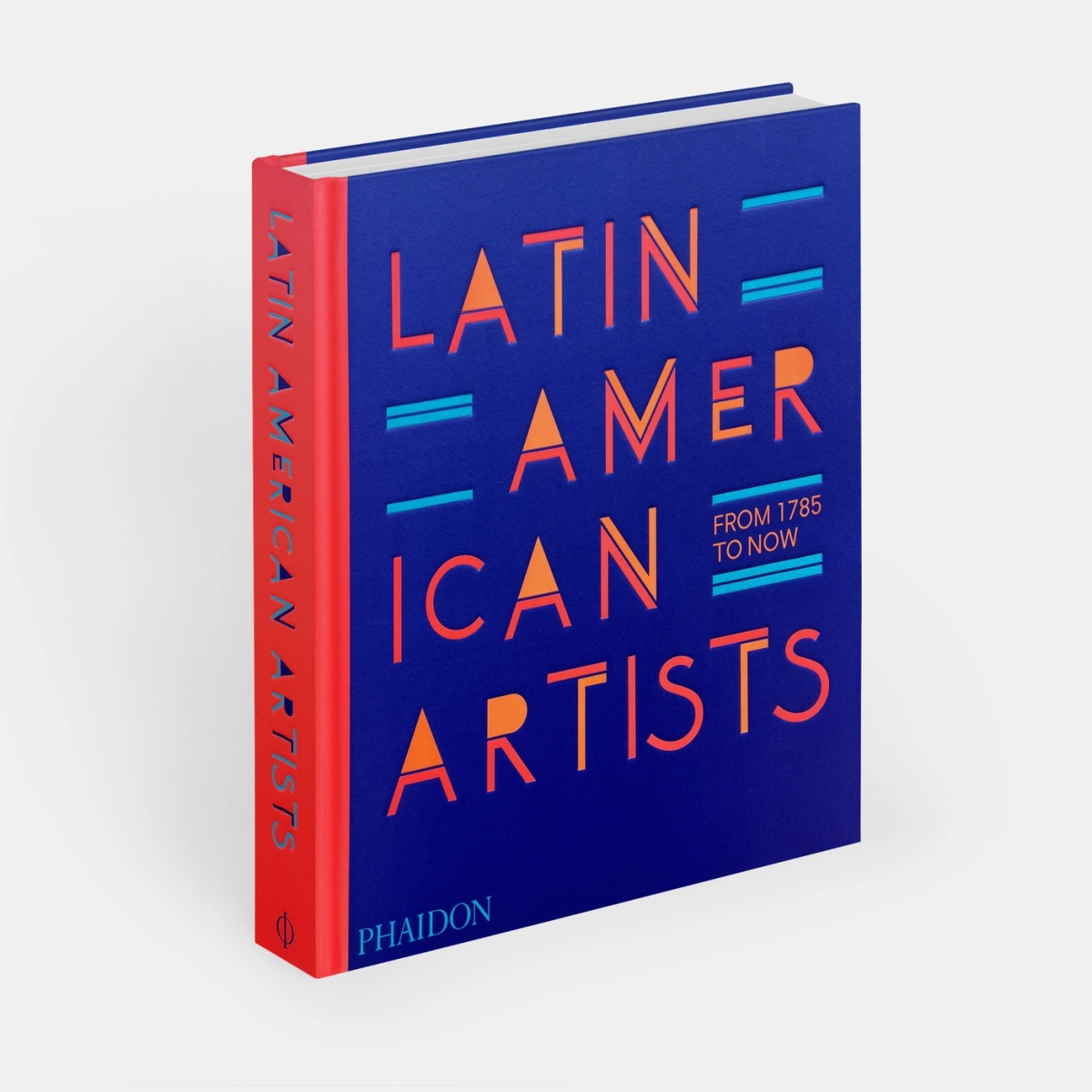
The essential survey showcasing the work of more than 300 modern and contemporary artists born or based in Latin America
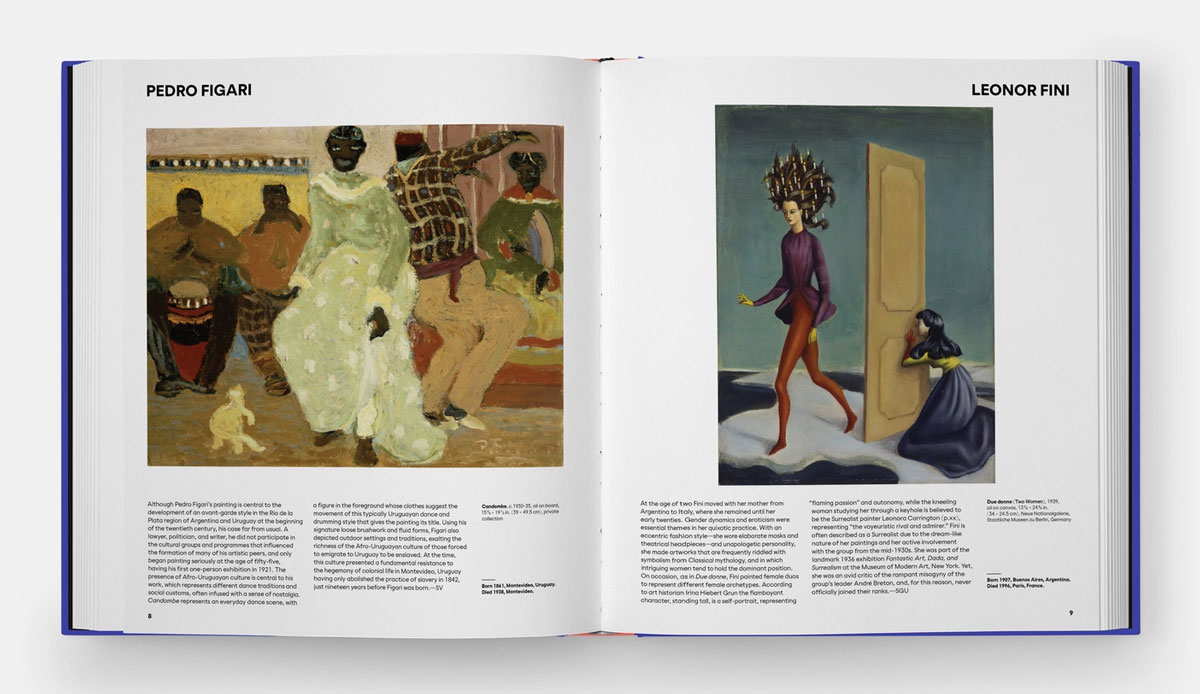
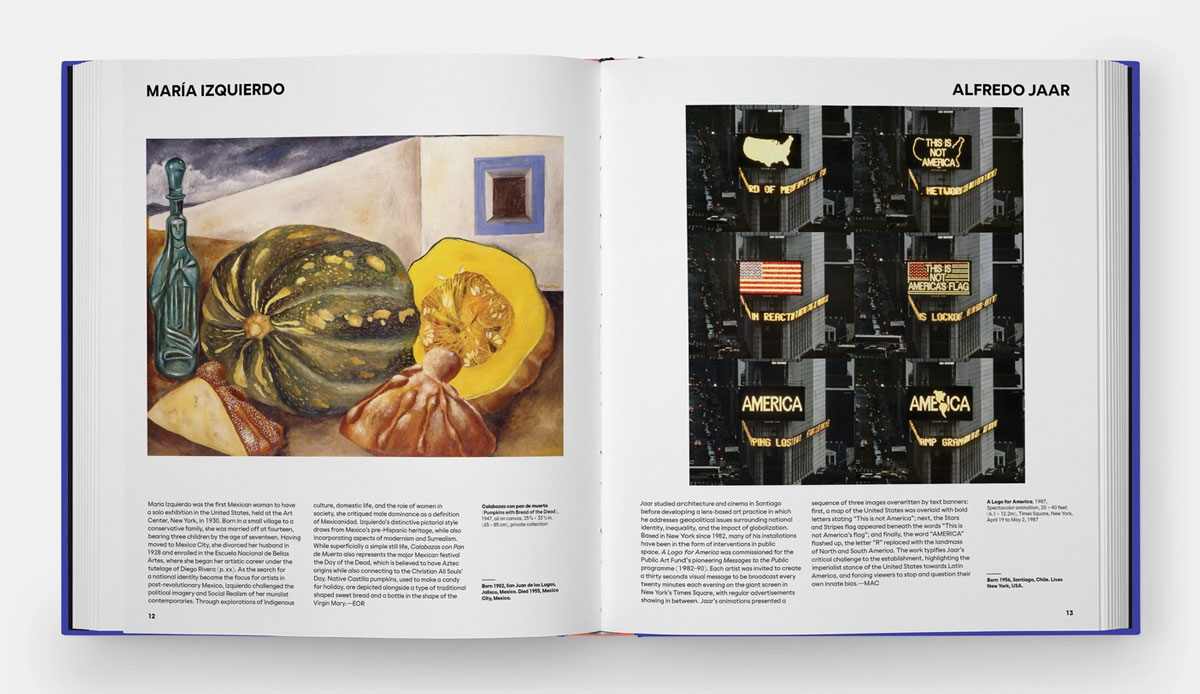
Latin American artists have gained increasing international prominence as the art world awakens to the area’s extraordinary art scenes and histories. In an accessible A-Z format, this volume introduces key artworks by 308 artists who together demonstrate the variety and vitality of artwork being made.
Artists featured include: Allora and Calzadilla, Manuel Alvarez Bravo, Francis Alÿs, Olga de Amaral, Fernando Botero, Leonora Carrington, Lygia Clark, Carlos Cruz-Diez, Leonor Fini, Gego, Felix Gonzalez-Torres, Carmen Herrera, Graciela Iturbide, Alfredo Jaar, Frida Kahlo, Guillermo Kuitca, Wifredo Lam, Teresa Margolles, Marisol, Cildo Meireles, Ana Mendieta, Beatriz Milhazes, Ernesto Neto, Hélio Oiticica, Gabriel Orozco, José Clemente Orozco, Diego Rivera, Zilia Sánchez, David Alfaro Siqueiros, Cecilia Vicuña, Adrián Villar Rojas and Faith Wilding.
Brilliant Classics (September 1, 2023): New classical music from Chopin, Rachmaninoff, Mozart, J.S. Bach and lesser known but still excellent composers.
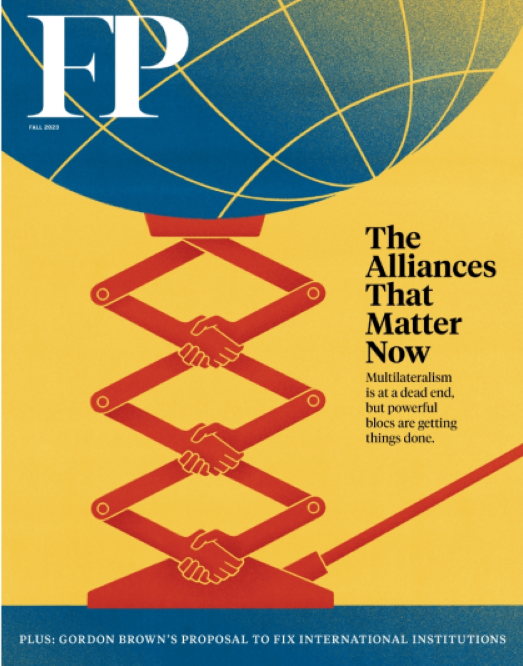
Foreign Policy Magazine – Fall 2023: The new issue features The G-7 Becomes a Power Player – Russia’s war and China’s rise are turning a talking shop into a fledgling alliance of democracies; Vivek Ramaswamy’s Foreign Policies Raise Eyebrows in Washington – The GOP’s rising star offers up a grab bag of ideas cribbed from Eminem to Richard Nixon and more…
Russia’s war and China’s rise are turning a talking shop into a fledgling alliance of democracies.
By G. John Ikenberry, a professor of politics and international affairs at Princeton University.
Time and again over the last century, the United States and the other liberal democracies in Europe, East Asia, and elsewhere have found themselves on the same side in grand struggles over the terms of the world order. This political grouping has been given various names: the West, the free world, the trilateral world, the community of democracies. In one sense, it is a geopolitical formation, uniting North America, Europe, and Japan, among others. It is an artifact of the Cold War and U.S. hegemony, anchored in NATO and Washington’s East Asian alliances.
End American dependence on Taiwan’s semiconductor factories. Declare economic independence from China. Give India an AUKUS-like submarine deal. And stage a dramatic visit to Moscow to broker a deal to end Russia’s full-scale invasion of Ukraine.
France-Amérique Magazine – September 2023– The issue features ‘The Little Prince in America’ – Did you know the Little Prince was born in New York? Antoine de Saint-Exupéry had found refuge in the United States during World War II when he published his best-selling novella, 80 years ago. Also, an interview with fashion queen Diane von Fürstenberg, whose iconic take on the wrap dress is turning 50; and meet Jean-Christophe Bouvet, the French actor who plays the extravagant designer Pierre Cadault in Emily in Paris!
NEW YORK CITY – The Little Prince’s Other Planet
By Clément Thiery
The Little Prince is from Asteroid B 612, but it was in New York City that he sprang from the imagination of Antoine de Saint-Exupéry, the French author and aviator who lived in the U.S. during World War II. To celebrate the 80th anniversary of the tiny hero’s creation, a statue will be unveiled opposite Central Park in mid-September.
SWAINE – Hollywood’s Temple of Luxury Accessories
By Clément Thiery
What do Harrison Ford’s hat in the latest Indiana Jones and Gene Kelly’s umbrella in Singin’ in the Rain have in common? Swaine London! This brand has specialized in luxury goods for more than 270 years and was recently acquired by the French group Chargeurs.
Table of contents
FROM THE NEWSDESK
Anger at Plans to Relocate les Bouquinistes During the 2024 Paris Olympics. By Anthony Bulger
EDITORIAL
Tocqueville and Illiberalism. By Guy Sorman
INTERVIEW
Olivier Coste: Why There Is No French Google. By Guy Sorman
ICON
Jean-Christophe Bouvet: “There Is Something of Myself in Pierre Cadault.” By Jérôme Kagan
CAMPUS
Sciences Po, the Parisian School Teaching Future American Leaders. By Jean-Gabriel Fredet
ANNIVERSARY
New York City, the Little Prince’s Other Planet. By Clément Thiery
THE BRIEF
Diane von Fürstenberg: “The Wrap Dress Made Me an Independent Woman.” By Kyra Alessandrini
EDUCATION
Gladys Francis: Connecting the Caribbean and America. By Hélène Vissière
HISTORY
New York Fashion Week’s Transatlantic Heritage. By Diane de Vignemont
The Week In Art Podcast (August 31, 2023): In the first episode of this new season of The Week in Art, we talk to Martin Bailey, The Art Newspaper’s London correspondent, about the thefts scandal at the British Museum and its implications for the museum in the future.
The artist Grada Kilomba is one of four curators of this year’s Sāo Paulo biennial, called Choreographies of the Impossible, and she joins our host Ben Luke to discuss the show. And this episode’s Work of the Week is Village Square at Céret, a painting made in 1920 by Chaïm Soutine. It features in the exhibition Against the Current, which opens this week at K20 in Düsseldorf, Germany. The exhibition’s co-curator, Susanne Meyer-Büser, tells us about the picture.
The Sāo Paulo biennial: Choreographies of the Impossible, Ciccillo Matarazzo Pavilion, Sāo Paulo, Brazil, 6 September-10 December.
Chaïm Soutine: Against the Current, K20 Düsseldorf, 2 September until 14 January next year; Louisiana Museum of Modern Art, Humlebæk, Denmark, 9 February-14 July 14 2024; Kunstmuseum Bern, Switzerland, 16 August-1 December 2024.
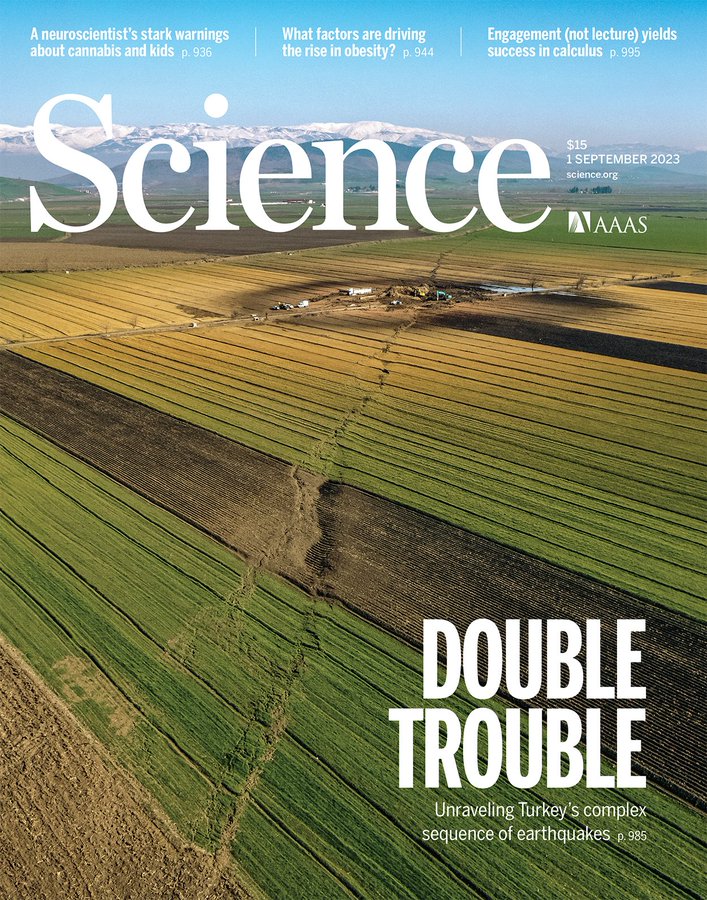
Science Magazine – September 1, 2023: The cover features a drone photograph, taken near the town of Kahramanmaraş, of the surface rupture produced by the first mainshock of the 2023 Turkey earthquake sequence shows agricultural fields offset by the fault slip.
Human and environmental health are inextricably linked. Yet ocean ecosystem health is declining because of anthropogenic pollution, overexploitation, and the effects of global climate change. These problems affect billions of people dependent on oceans for their lives, livelihoods, and cultural practices. The importance of ocean health is recognized by scientists, managers, policy-makers, nongovernmental organizations, and stakeholders including fishers, recreationalists, and cultural practitioners. So why are the oceans still degrading?
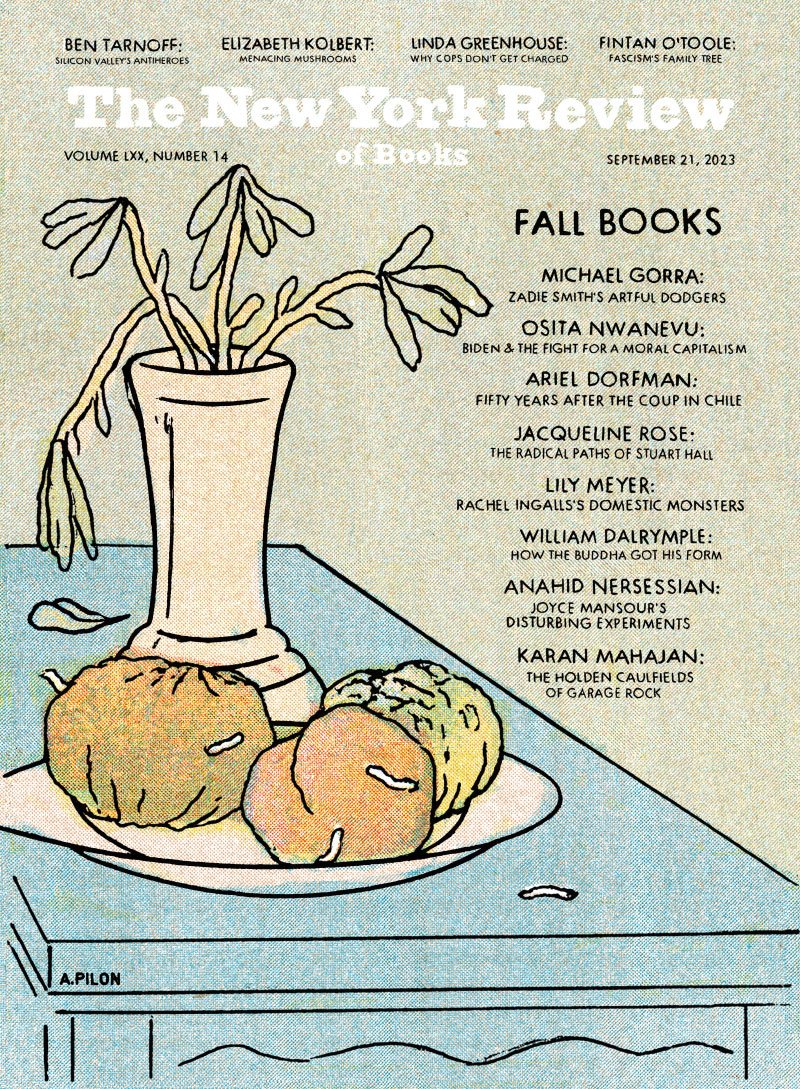
The New York Review of Books (September 21, 2023) – The Fall Books issue features Michael Gorra on Zadie Smith, Anahid Nersessian on Joyce Mansour’s Surrealist poetry, Osita Nwanevu on the Democrats, Colin Grant on Margo Jefferson, Fintan O’Toole on fascists in the family tree, Karan Mahajan on Williamsburg rock, Ben Tarnoff on the depredations of Silicon Valley, and more…
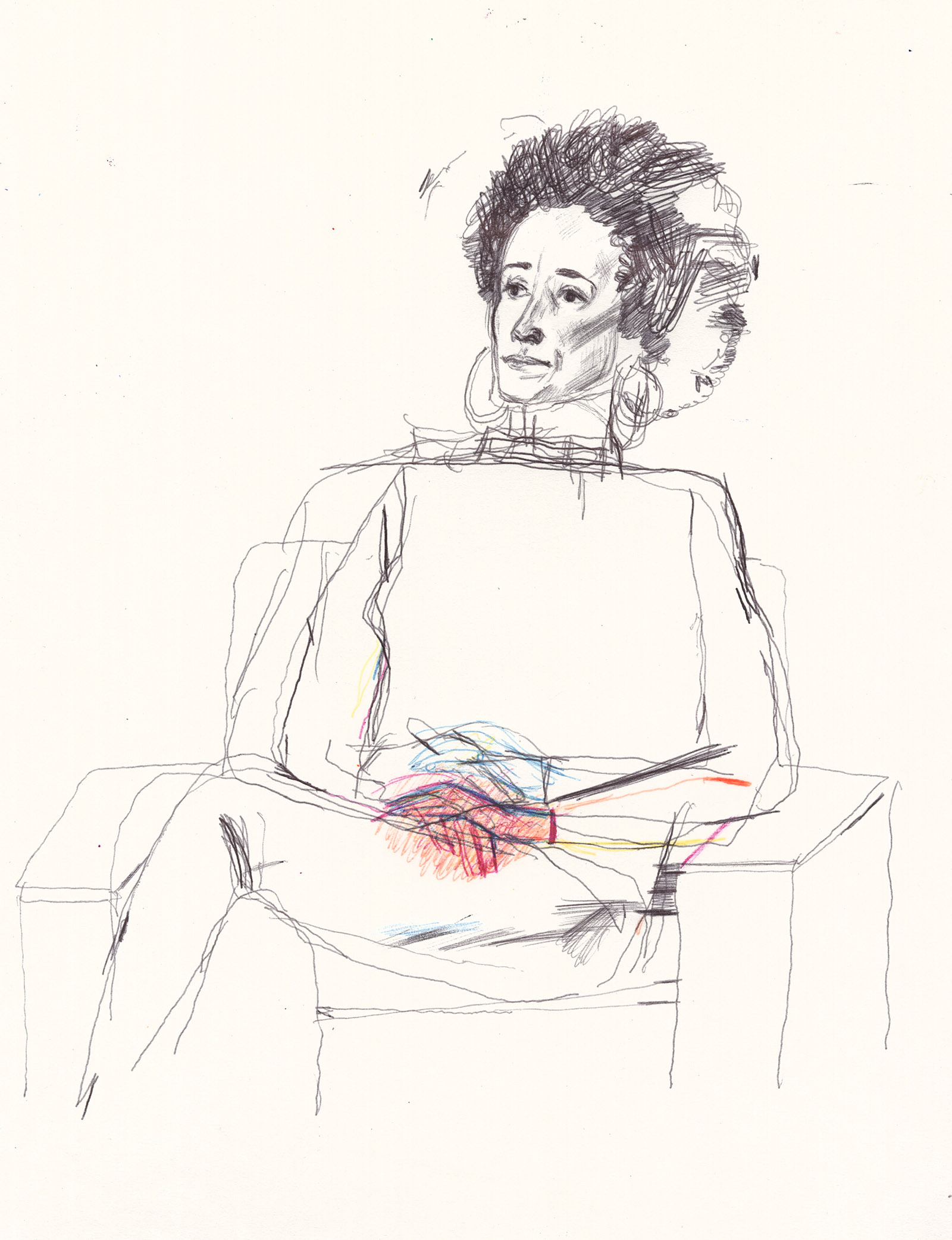
The Fraud, Zadie Smith’s first historical novel, asks if we might all be frauds of some sort, wearing masks and performing as people who are not quite ourselves.
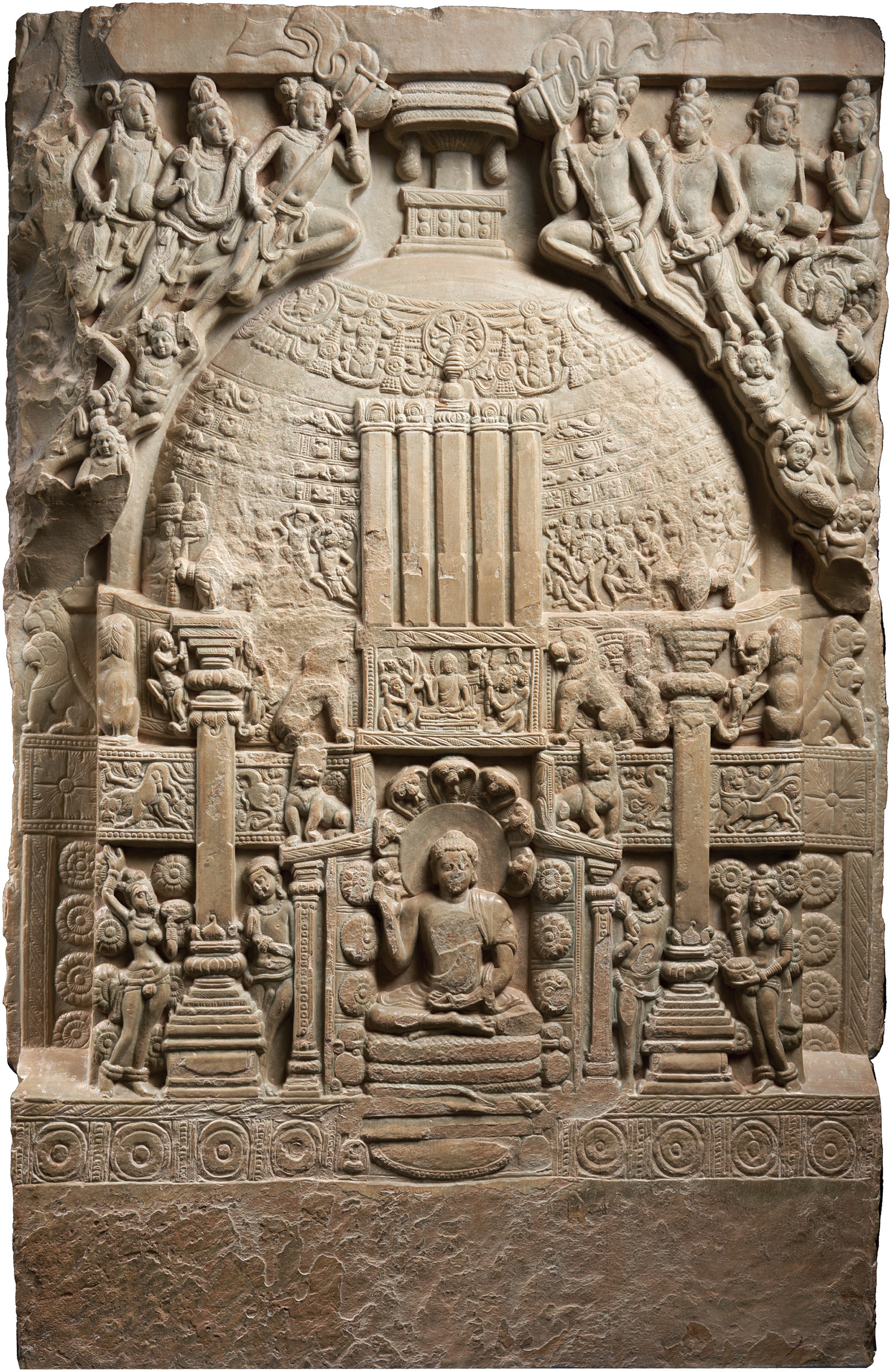
A groundbreaking show at the Metropolitan Museum displays, among other treasures from India, works of Buddhist art that bear the mark of ancient animist cults that long preceded the teachings of Siddhartha Gautama.
Catalog of the exhibition by John Guy; Metropolitan Museum of Art, 343 pp.
In 2003 Indian archaeologists working on a remote hilltop in the southern state of Telangana uncovered a remarkable early Buddhist monastic complex. Phanigiri, “the snake-hooded hill,” had clearly been one of the most important Buddhist monasteries in India. All around were found spectacular fragments of sculpture, including substantial sections of elaborately carved ceremonial gateways and a torso now judged to be one of the masterworks of Buddhist art. Many of the statues had been dismantled and carefully buried in soft earth for their protection after the monastery was abandoned in the fifth century CE, and they were found in almost mint condition.
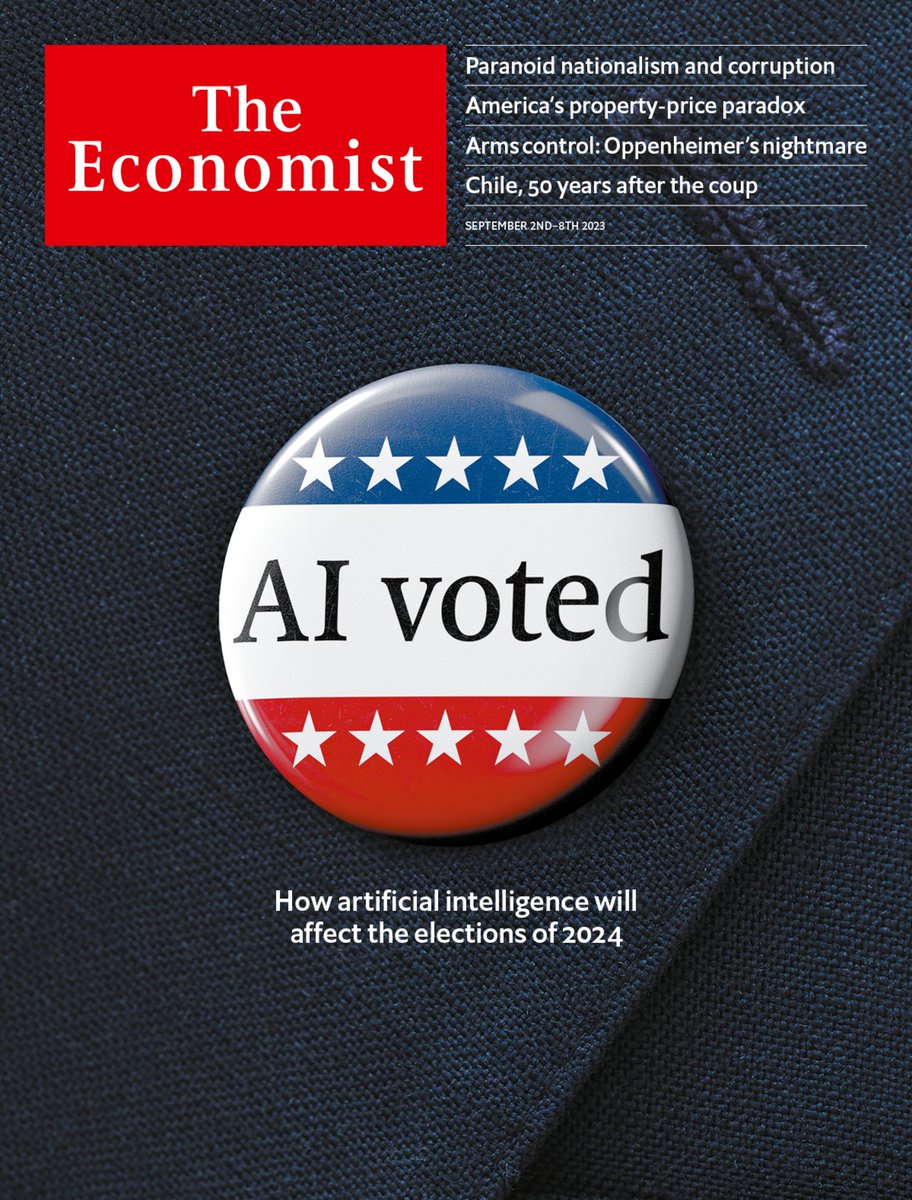
The Economist Magazine (September 2, 2023): This week’s issue features AI voted: How artificial intelligence will affect the elections of 2024; How paranoid nationalism corrupts; How to stop a three-way nuclear arms-race, and more…
Disinformation will become easier to produce, but it matters less than you might think
Politics is supposed to be about persuasion; but it has always been stalked by propaganda. Campaigners dissemble, exaggerate and fib. They transmit lies, ranging from bald-faced to white, through whatever means are available. Anti-vaccine conspiracies were once propagated through pamphlets instead of podcasts. A century before covid-19, anti-maskers in the era of Spanish flu waged a disinformation campaign. They sent fake messages from the surgeon-general via telegram (the wires, not the smartphone app). Because people are not angels, elections have never been free from falsehoods and mistaken beliefs.
Cynical leaders are scaremongering to win and abuse power
People seek strength and solace in their tribe, their faith or their nation. And you can see why. If they feel empathy for their fellow citizens, they are more likely to pull together for the common good. In the 19th and 20th centuries love of country spurred people to seek their freedom from imperial capitals in distant countries. Today Ukrainians are making heroic sacrifices to defend their homeland against Russian invaders.
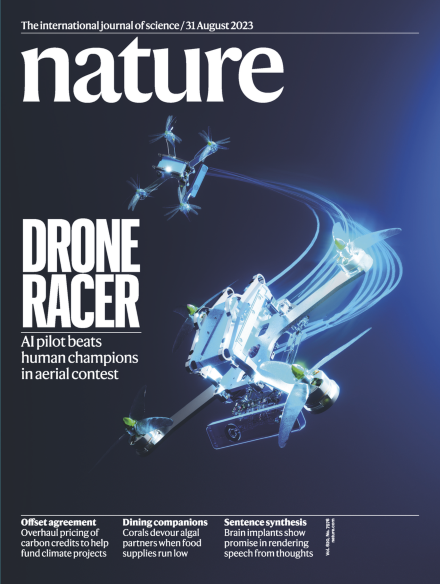
nature Magazine – August 31, 2023 issue:In this week’s issue, AI pilot beats human champions in aerial contest – Artificial intelligence has taken on and beaten human competitors in many games, including chess, StarCraft and Gran Turismo.
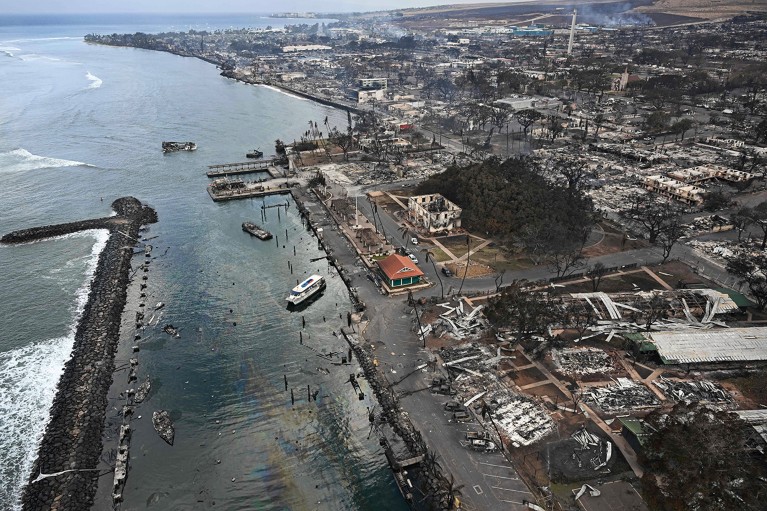
Events in Hawaii show how much we have to learn about wildfire spread — but simple research steps can help to build resilience.
Driven by drought, high winds and extreme heat, fires in recent years have caused destruction and losses on a scale bigger than anyone is used to. The average annual global cost of wildfires is around US$50 billion, the World Economic Forum said in January. And by the end of the century, climate change might make catastrophic conflagrations 50% more common, according to the United Nations Environment Programme. Given the surge in urban development in and near forested areas, something has to be done to protect communities. As Maui’s experience shows, little is in place.



 Brilliant Classics


















 Boomers Daily