
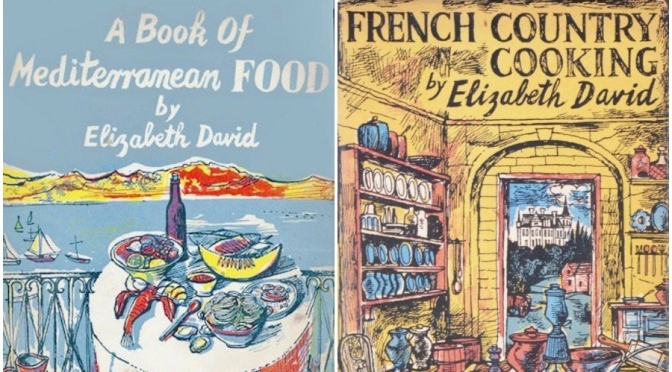
From Apollo Magazine article (April 13, 2020):
 Minton had gone on to produce a series of spectacularly colourful oil paintings of Corsica on his return to London, exhibiting them at the Lefevre Gallery in 1949. Many of them depicted fruit and fish and other ingredients for Mediterranean cuisine, and so confirmed Minton as the obvious choice for the David commission.
David delightedly recalled that: ‘In the shop windows [Minton’s] brilliant blue Mediterranean bay, his tables spread with white cloths and bright fruit, bowls of pasta and rice, a lobster, pitchers and jugs and bottles of wine, could be seen far down the street.’
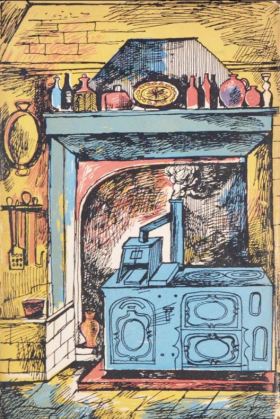
Variations on these two images were used for the double-page spread on which the title appeared in David’s second book, French Country Cooking (1951), while the wrap-around image on the dust jacket depicted the interior of a well-stocked kitchen, many of its utensils borrowed from the author to ensure accurate representation.
Francis John Minton (25 December 1917 – 20 January 1957) was an English painter, illustrator, stage designer and teacher. After studying in France, he became a teacher in London, and at the same time maintained a consistently large output of works. In addition to landscapes, portraits and other paintings, some of them on an unusually large scale, he built up a reputation as an illustrator of books.
In the mid-1950s, Minton found himself out of sympathy with the abstract trend that was then becoming fashionable, and felt increasingly sidelined. He suffered psychological problems, self-medicated with alcohol, and in 1957 died by suicide.
From Wikipedia

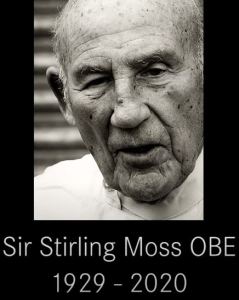 Paying tribute to a racing icon and sporting legend. Rest in peace, Sir Stirling Moss. We’ll miss you.
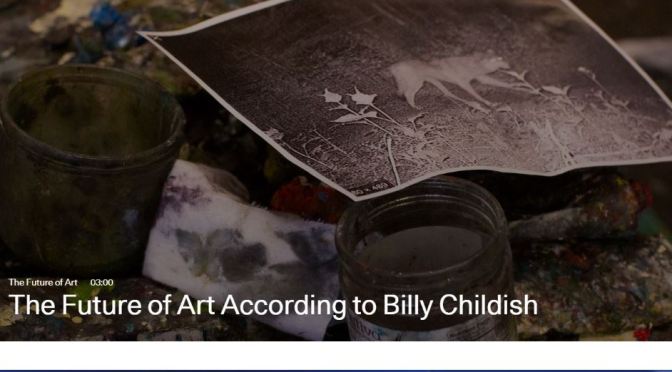
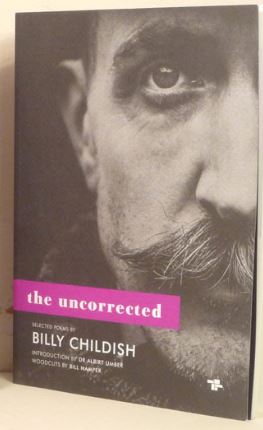 “The art world is the same as the rest of the world,” says British artist, writer, and punk-rocker Billy Childish. “What it requires is new, more, and now.” Childish has worked defiantly and prolifically outside of the mainstream since his expulsion from art school in the early 1980s. To the polymath—whose paintings, poems, novels, and music draw heavily from his autobiography—art is a deeply personal experience that should not rely on external validation, whether from critics or audiences. From his painting studio located on a historic dockyard in Kent, United Kingdom, Childish speaks passionately about the freedom that comes with self-validation. When asked about his perspective on the future of art, he demurs. “People think we’re continually ascending a mountain to success or to enlightenment,” he says. “It’s here and now and this is it.”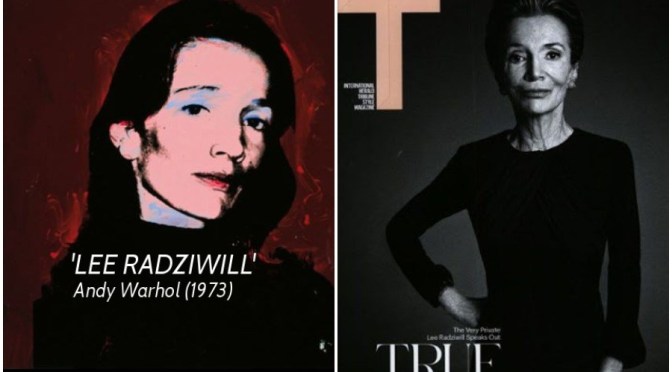
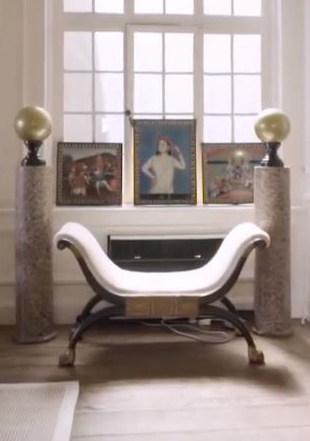 Lady when her husband John F. Kennedy was elected President.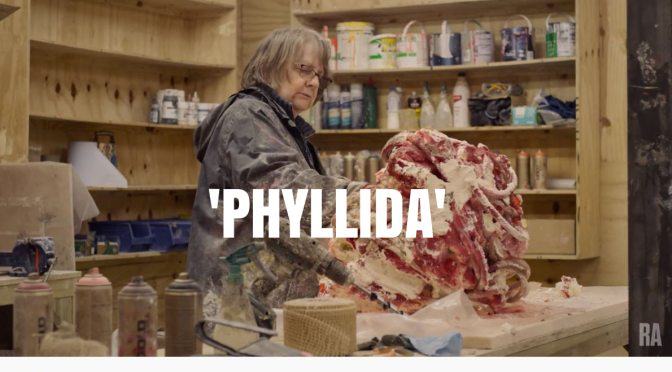
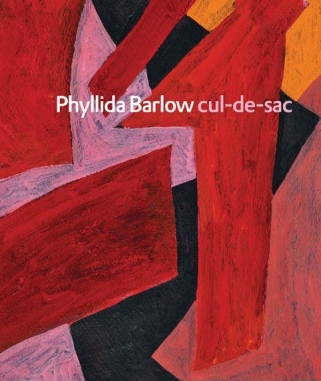 year. Directed by Cosima Spender, this film maps the roots of Barlow’s oeuvre, as she revisits childhood memories, domestic and urban spaces, and their subsequent role in her creative process.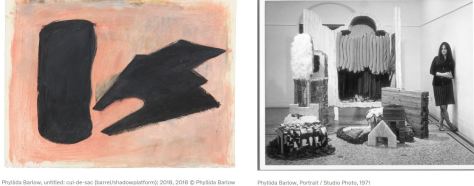
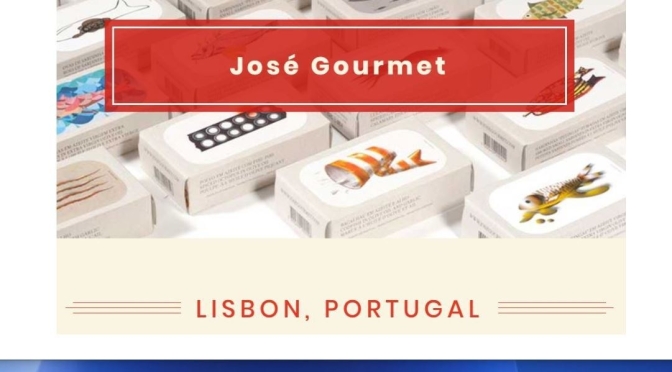
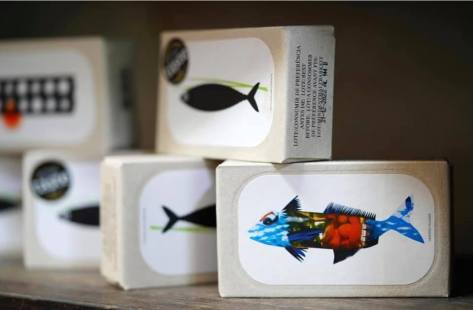
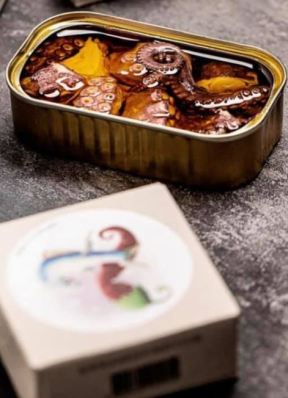 Jose Gourmet combs the coasts of Portugal and Spain to find seafood of distinction. They believe in the principles of fair trade, often paying in advance and never negotiating for better pricing. The artwork of Luis Mendonça on the packaging is meant to pay homage to the these fishermen and canneries who rely on manpower and life long dedication to their trade.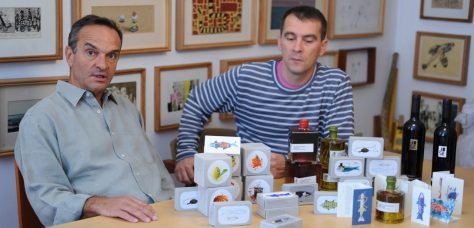
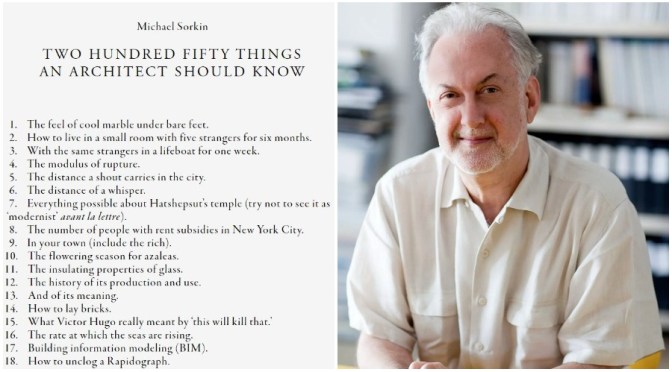
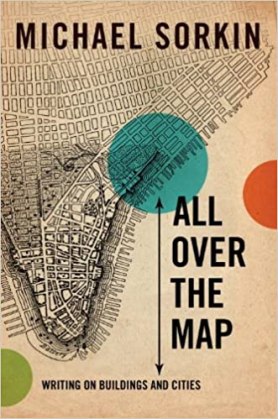 Ultimately he was a humane critic of the contemporary city, a serious, funny and poetic voice defending the powerless against big capital and an articulator of how architecture should be used as a tool of resistance. He is indelibly associated with New York, a city he loved with a fervour despite its faults, and of which he defended every inch as a public good. Number 210 in his list was the medieval German phrase ‘Stadtluft macht frei’ – ‘city air makes you free’. He will survive through his magical writing, which makes us all a little freer.
 Boomers Daily