
From a New York Times online article (Feb 27, 2020):

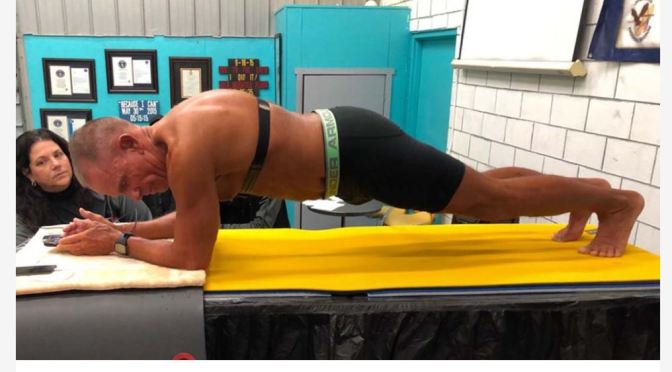
Mr. Hood, a former Marine and Drug Enforcement Administration agent, held the plank on Feb. 15 for more time than an average day’s work.
The plank is a feat of static, but strenuous, exercise. The torso is sustained in a horizontal position, anchored by the toes on one end and the forearms on the other. The abdominal and thigh, back and arm muscles are among those firing away, turning most of the human body into a gravity-defying platform.
George E. Hood, a 62-year-old retiree from Naperville, Ill., strapped a heart monitor band across his chest, attached a catheter to his body, climbed onto a custom-built table covered with a lambskin and dialed up a curated rock ’n’ roll playlist on his phone.
And then he raised himself into a plank — and held the position for eight hours, 15 minutes and 15 seconds to set a Guinness World Record.
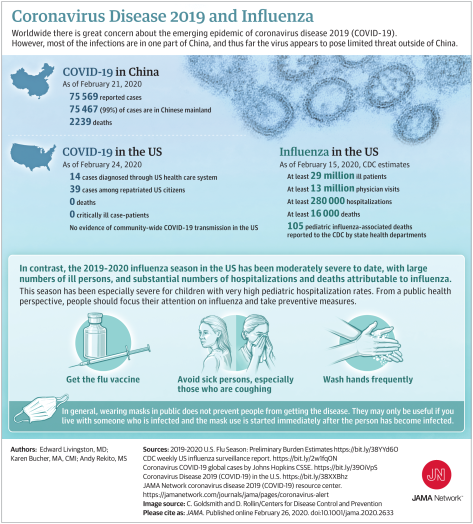
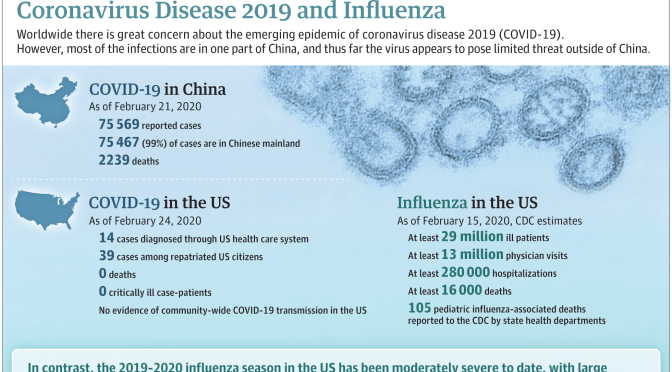
“Drive-thru” coronavirus testing is to be introduced on the NHS – with suspected cases swabbed in their own cars.
The new scheme is part of efforts to relieve pressure on ambulance and hospital services, amid concern they could soon be overwhelmed by the number of tests they are carrying out.
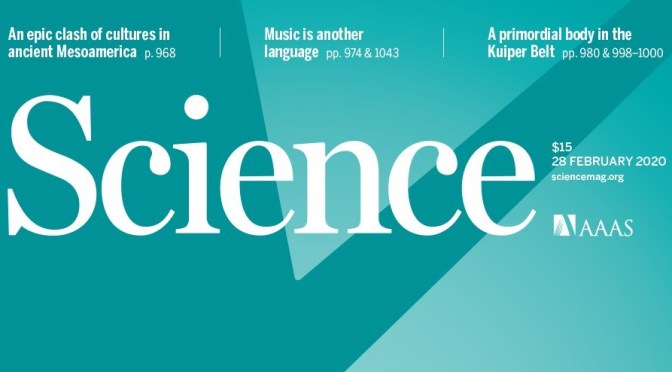
 This week on the podcast, Contributing Correspondent Lizzie Wade joins host Sarah Crespi to discuss a turning point for one ancient Mesoamerican city: Tikal. On 16 January 378 C.E., the Maya city lost its leader and the replacement may have been a stranger. We know from writings that the new leader wore the garb of another culture—the Teotihuacan—who lived in a giant city 1000 kilometers away.
But was this new ruler of a Maya city really from a separate culture? New techniques being used at the Tikal and Teotihuacan sites have revealed conflicting evidence as to whether Teotihuacan really held sway over a much larger region than previously estimated.
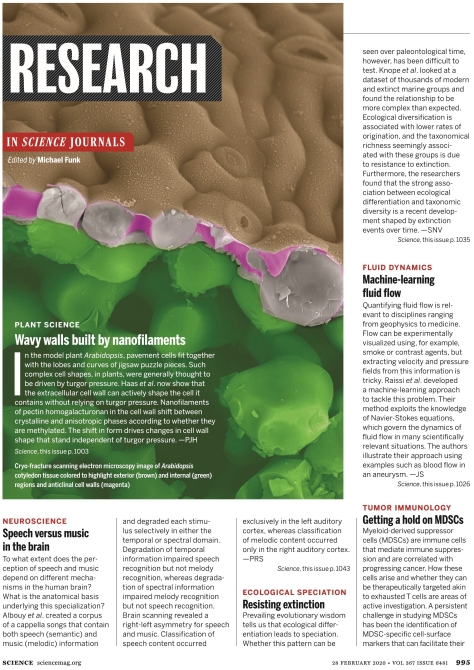
Sarah also talks with Rashid Sumaila, professor and Canada research chair in interdisciplinary ocean and fisheries economics at the University of British Columbia, Vancouver’s Institute for the Oceans and Fisheries. You may have heard of illegal fishing being bad for the environment or bad for maintaining fisheries—but as Sumaila and colleagues report this week in Science Advances, the illegal fishing trade is also incredibly costly—with gross revenues of between $8.9 billion and $17.2 billion each year.
From a “Circulation: Heart Failure” Journal study (Feb 25, 2020):
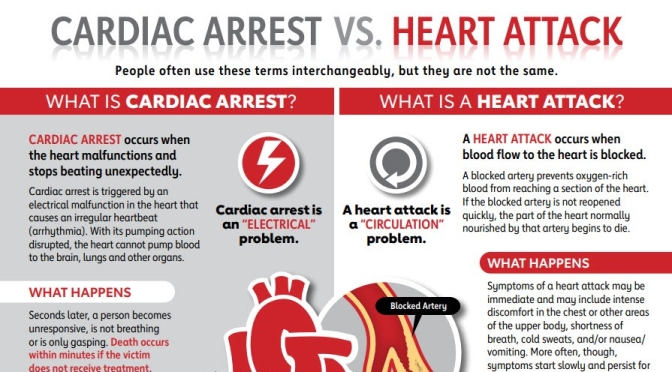
 The study shows that wearable sensors coupled with machine learning analytics have predictive accuracy comparable to implanted devices.
We demonstrate that machine learning analytics using data from a wearable sensor can accurately predict hospitalization for heart failure exacerbation…at a median time of 6.5 days before the admission.
Heart failure (HF) is a major public health problem affecting >23 million patients worldwide. Hospitalization costs for HF represent 80% of costs attributed to HF care. Thus, accurate and timely detection of worsening HF could allow for interventions aimed at reducing the risk of HF admission.

Several such approaches have been tested. Tracking of daily weight, as recommended by current HF guidelines, did not lead to reduction of the risk of HF hospitalization, most likely because the weight gain is a contemporaneous or lagging indicator rather than a leading event. Interventions based on intrathoracic impedance monitoring also did not result in reduction of readmission risk. The results suggest that physiological parameters other than weight or intrathoracic impedance in isolation may be needed to detect HF decompensation in a timely manner. In fact, 28% reduction of rehospitalization rates has been shown with interventions based on pulmonary artery hemodynamic monitoring. More recently, in the MultiSENSE study (Multisensor Chronic Evaluation in Ambulatory HF Patients), an algorithm based on physiological data from sensors in the implantable cardiac resynchronization therapy defibrillators, was shown to have 70% sensitivity in predicting the risk of HF hospitalization or outpatient visit with intravenous therapies for worsening of HF.
Seven candidates took the stage Tuesday, often talking over one another as they faced off in the final Democratic debate before the South Carolina primary and Super Tuesday. NPR’s Domenico Montanaro and Danielle Kurtzleben take a look at some of the top moments. •
Read “4 Takeaways From The South Carolina Democratic Debate”
People everywhere can now download, remix and share Smithsonian Open Access content for any purpose, for free, from portraits of historic Americans to 3D scans of dinosaur fossils. What will you create, imagine and discover?
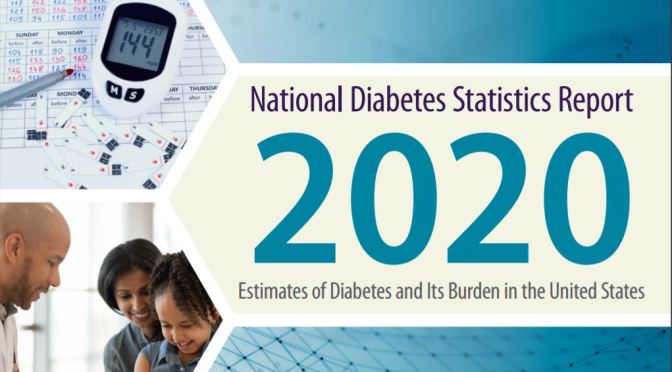
 The National Diabetes Statistics Report is a periodic publication of the Centers for Disease Control and Prevention (CDC) that provides updated statistics about diabetes in the United States for a scientific audience. It includes information on prevalence and incidence of diabetes, prediabetes, risk factors for complications, acute and long-term complications, deaths, and costs. These data can help focus efforts to prevent and control diabetes across the United States.

NPR’s Tamara Keith and Amy Walter of the Cook Political Report join Lisa Desjardins to discuss the latest political news, including fears Vermont Sen. Bernie Sanders’ ideology is too far left for him to be the 2020 Democratic nominee, why the race is currently a “referendum on Donald Trump,” Nevada caucus results along racial lines and which moderate candidates could struggle to gain traction.





 Boomers Daily