

Prince Leopold of Bavaria takes you on an exclusive tour of the famous castle commissioned by his ancestor, King Ludwig II, who had the castle built in the picturesque landscape of the Bavarian Allgäu in the 19th century. Today, the castle is one of Germany’s most famous tourist attractions and is famous all over the world. On his guided tour, the prince will share 5 lesser-known facts about Neuschwanstein!
Category Archives: History
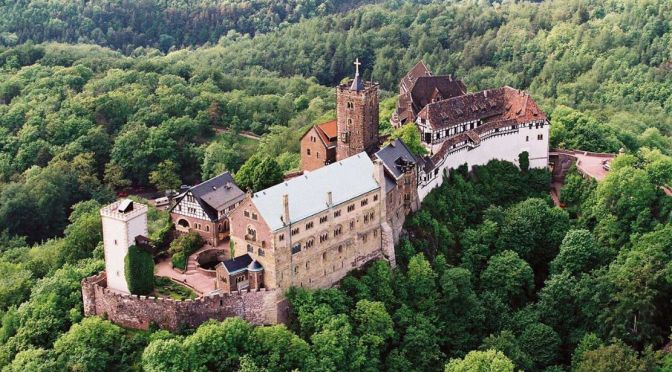
Travel Guides: Wartburg Castle, Central Germany
Wartburg Castle, located close to Eisenach in Thuringia, is also known as “The Castle of the Germans”. But why? DW’s Hannah Hummel shows you around the castle, which is more than 1,000 years old. A fascinating journey to the times of minstrels, knights and ladies of castles – and to the famous Protestant Martin Luther, who translated the bible at Wartburg Castle.
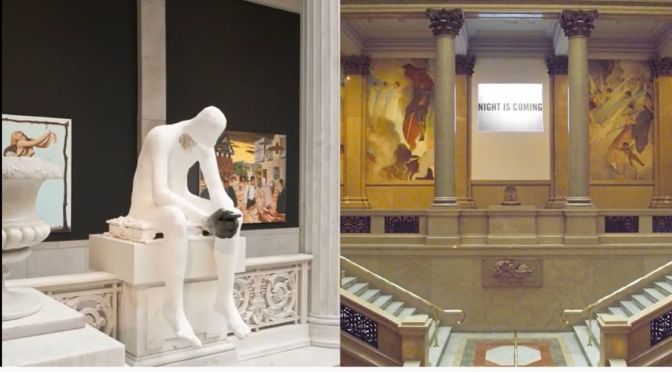
Art Exhibitions: The 58th Carnegie International
Established in 1896, the Carnegie International is the longest-running North American exhibition of international art. Organized every three to four years by Carnegie Museum of Art, the International presents an overview of how art and artists respond to the critical questions of our time.
Discover the history of this storied exhibition through archival footage and historical photographs, accompanied by the voices of curators and artists.

Design: The Architecture Of Baseball Stadiums (AD)
Hey, batter batter! Michael Wyetzner of Michielli + Wyetzner Architects returns to AD, this time breaking down the architectural details found in baseball stadiums around North America. From some of the earliest homes of the national pastime to current multi-billion dollar behemoths, Michael offers up expert insight on what makes each of them distinct.
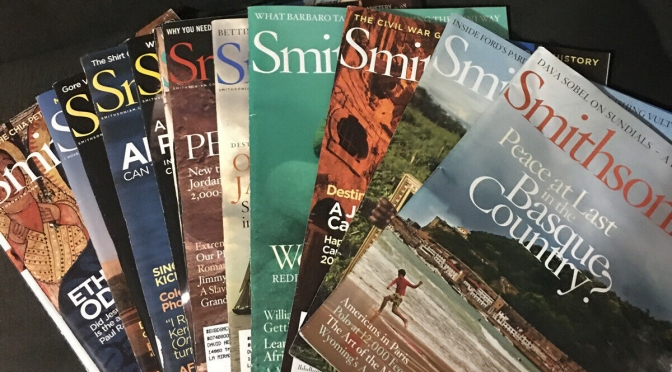
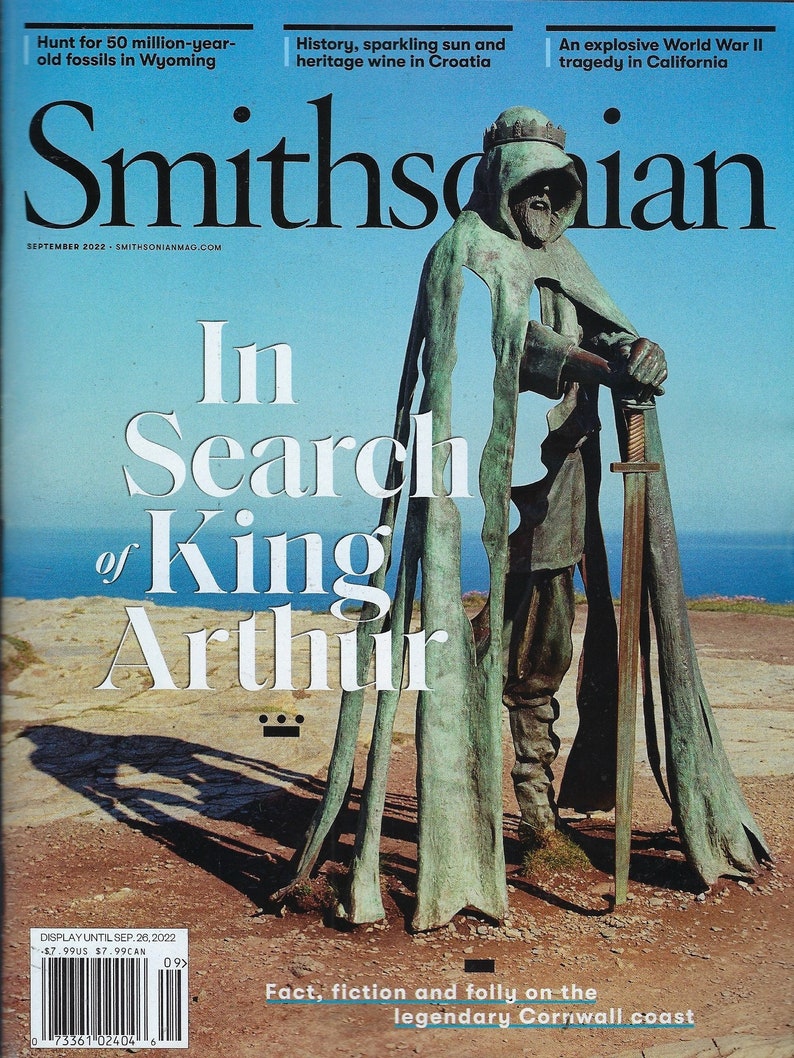
Previews: Smithsonian Magazine – September 2022
Cougars Are Killing Feral Donkeys, and That’s Good for Wetlands
Mountain lions play an important role in the Death Valley ecosystem by preying on the introduced species
How Long Will It Take to Understand Long Covid?
The Incredible Story of the Iceberg That Sank the Titanic
SMART NEWS
Why Was a Synagogue Mural Hidden Behind a Wall in a Vermont Apartment?
August 22, 2022 8:35 a.m.
Did Archaeologists Find Saint Peter’s Birthplace?
August 19, 2022
Western States Are Fighting Over How to Conserve Shrinking Water Supply
August 19, 2022

Views: History Of New York’s Fulton Fish Market
The Fulton Fish Market in New York is celebrating its 200th anniversary this year. Jeff Glor goes inside and takes a look at the market’s history.
Opened in 1822, New York City’s Fulton Fish Market is one of the oldest fish markets in the United States. Well before the Brooklyn Bridge was even built, the market at South Street Seaport thrived with fishing boats and fishmongers bartering and bantering over stalls heaving with fresh fish. Each night the colorful market would come to life with its cast of characters, eager chefs and curious tourists, all mingling over bushels of oysters, crates of lobsters and a kaleidoscope of sea creatures from near and far. Perhaps more than any other institution, the Fulton Fish Market captured the spirit and tradition of old New York.
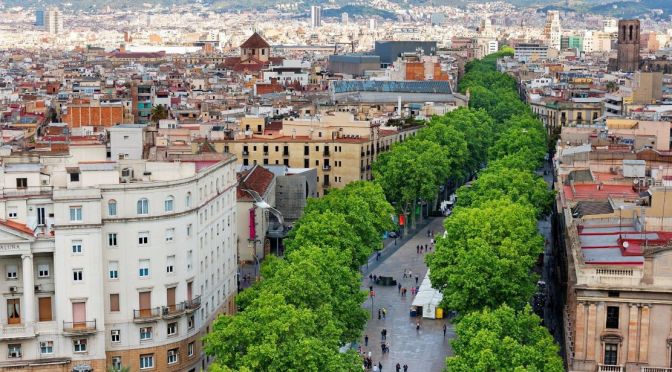
Barcelona Views: Why La Rambla Is World-Famous
Every visitor to Barcelona will sometime take a stroll along La Rambla. The Catalan capital’s leafy boulevard is simply the place to be – but what makes this street world-famous, and what secrets does it hold? Fermin Villar, president of the Friends of La Rambla, clues us in.
La Rambla is a street in central Barcelona. A tree-lined pedestrian street, it stretches for 1.2 km connecting the Plaça de Catalunya in its center with the Christopher Columbus Monument at Port Vell. La Rambla forms the boundary between the neighbourhoods of the Barri Gòtic to the east and the El Raval to the west.

Previews: History Today Magazine – September 2022
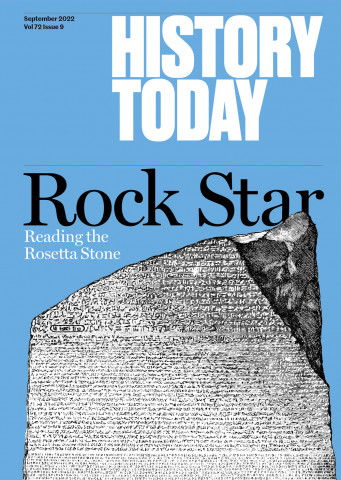
The Original Rock Star
200 years on from the deciphering of the most famous piece of rock in the world, what does reading the Rosetta Stone reveal?
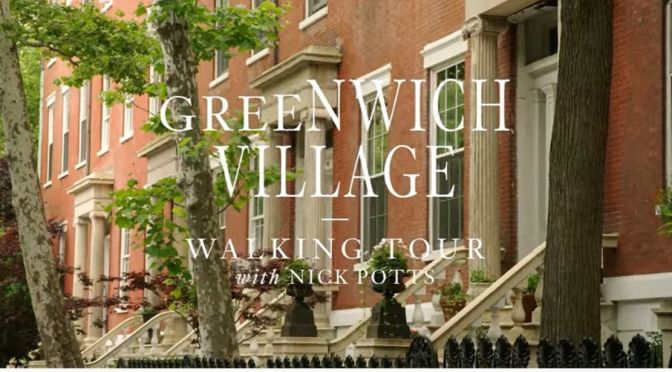
Architectural Tours: New York’s Greenwich Village
Architectural Digest takes you to New York City for an insightful walking tour of Greenwich Village with architect Nicholas Potts. From jazz clubs and coffee shops to the dramatic arch at Washington Square Park and the landmark buildings on Waverly Place, “The Village” continues to exist at the nexus of New York’s past, present, and future.
Come along with Nick as he explores the architectural details hidden in plain sight. Check out Nicholas Potts here:
Website: https://nicholasgpotts.com/ Instagram: https://www.instagram.com/nicholasgpo…

Italian Classics: The ‘Myth’ Behind Riva Aquaramas
During Italy’s post-war boom years, Riva’s glamorous wooden boats were the pinnacle of “la dolce vita” – the Ferraris of motorboats, owned by movie stars, tycoons and royalty. Correspondent Seth Doane takes a spin on the water in a classic Riva; checks out a new edition of the famed Aquarama boat; and learns how the company is working to keep Riva’s spirit alive.
Alberto Galassi is raving about his Riva, a 1970 wooden Aquarama, formed of cedar from Lebanon and mahogany. The CEO of the Ferretti Group, which now owns the Riva boat brand, he took correspondent Seth Doane on a ride on Italy’s picturesque Lake Iseo, racing past Riva’s factory.
“Riva is beyond boating; Riva is a myth,” Galassi said of the classic Riva speedboats, which have been in the hands of royalty, movie stars, rock stars and tycoons. “Let’s be honest. I mean, when you say, ‘I have a Ferrari,’ you need to say you ‘have a car’? Everybody knows what a Ferrari is. Riva is the same thing.”
 Boomers Daily