New Scientist Magazine – October 11, 2025

By Michael Cummins, Editor, August 5, 2025

When we envision the journey of aging, we often focus on the more visible signs—the lines on our faces, the graying hair, or the occasional ache in our joints. But the most profound changes occur beneath the surface, particularly within our muscular system. The gradual loss of muscle mass, a condition known as sarcopenia, is often accepted as an inevitable part of getting older. Yet, this decline is far from a cosmetic concern. It represents a fundamental shift in our body’s operating system, compromising our resilience and making us more vulnerable to chronic disease.
Modern science has revolutionized our understanding of skeletal muscle. It is not merely a tool for movement but a dynamic, multifaceted endocrine organ—a bustling chemical factory that profoundly influences every aspect of our health. By actively engaging and maintaining this “factory,” we can effectively fight back against the aging process at a cellular and systemic level. This essay will explore the critical importance of preserving lean muscle mass, detailing its key functions in regulating metabolism, combating chronic inflammation, bolstering our immune system, and acting as a protective shield for the entire body. Ultimately, it will argue that building and maintaining muscle should be a foundational and non-negotiable pillar of any strategy for promoting a long, healthy, and vibrant life.
To truly appreciate the power of muscle, we must first look inside the cell at the microscopic architects that make it all possible: the mitochondria. While famously known as the “powerhouses” of the cell, their story is far more fascinating. As scientist Lena Pernas from the Max Planck Institute for Biology of Ageing explains in her TEDxPadova talk, their ancestors were ancient bacteria that, over 1.5 billion years ago, forged a symbiotic relationship with our early eukaryotic ancestors by finding their way into a larger cell and staying. This remarkable evolutionary event is why mitochondria still retain some bacterial traits, including their own unique circular DNA, known as mtDNA. Interestingly, all of our mitochondrial DNA is passed down exclusively from our mothers.
“To truly appreciate the power of muscle, we must first look inside the cell at the microscopic architects that make it all possible: the mitochondria.”
These tiny organelles are responsible for converting the oxygen we breathe and the nutrients we consume into adenosine triphosphate (ATP), the chemical energy that powers our every thought, movement, and biological process. Mitochondria are not scattered randomly in our bodies; they are strategically placed in the greatest numbers and size within the tissues that have the highest energy demands. This makes our lean muscle tissue a prime location for these cellular power plants. A healthy, active muscle is packed with a dense network of mitochondria, ready to produce the vast amounts of energy needed for physical activity. The strength and efficiency of this mitochondrial network are directly linked to the health and vitality of your muscles, making the connection between muscle mass and healthy aging all the more profound.
Skeletal muscle is the single largest organ in the human body, constituting nearly 50% of total body weight in a lean individual. Its sheer size and constant activity make it a metabolic powerhouse. One of its most vital roles is as the body’s primary glucose regulator. After a meal, muscle tissue acts as a massive storage container, efficiently taking up glucose from the bloodstream in response to insulin’s signal. This action is crucial for keeping blood sugar levels balanced and preventing the dangerous spikes and crashes associated with metabolic dysfunction.
“By maintaining a robust amount of muscle mass, you effectively protect this system, keeping your metabolic ‘engine room’ running smoothly.”
However, as we age and lose muscle mass, this storage container shrinks. The remaining cells have to work harder to manage blood sugar, which often leads to a condition called insulin resistance. In this state, your body’s cells become less responsive to insulin’s message, causing glucose to accumulate in the bloodstream—a key precursor to Type 2 diabetes. Insulin resistance triggers a dangerous cascade of events. The excess glucose in the blood can bind to proteins, forming pro-inflammatory molecules known as Advanced Glycation End-products (AGEs).
Additionally, impaired insulin action leads to a rise in circulating free fatty acids, which directly activate inflammatory pathways within cells. This vicious cycle, where metabolic dysfunction drives inflammation and vice versa, is a cornerstone of numerous age-related diseases. By maintaining a robust amount of muscle mass, you effectively protect this system, keeping your metabolic “engine room” running smoothly and providing a high-leverage strategy for preventing chronic conditions.
Chronic, low-grade systemic inflammation is a major driver of age-related decline. Known as inflammaging, this slow-burning inflammatory state contributes to everything from heart disease and arthritis to neurodegenerative disorders. The genius of skeletal muscle lies in its ability to actively combat this process.
When muscles contract during physical activity, they release a complex cocktail of signaling molecules called myokines. These myokines act as powerful, natural anti-inflammatory agents. They are the chemical messengers of your muscle’s “pharmacy,” traveling throughout the body to modulate inflammatory and immune responses. Without enough muscle and physical activity, you lose this natural defense, allowing the chronic inflammatory “fire” to burn hotter.
One of the most well-studied myokines, Interleukin-6 (IL-6), beautifully illustrates this concept. While often associated with inflammation in its chronic state, when it is secreted acutely by working muscles, it acts as a powerful anti-inflammatory signal. Muscle-derived IL-6 can inhibit the production of other pro-inflammatory cytokines, creating a more balanced and healthy systemic environment.
A particularly exciting and potent anti-inflammatory function of myokines is their ability to influence your body’s fat tissue. Not all fat is created equal. While white fat stores energy, brown fat is a specialized tissue packed with mitochondria that burns calories to produce heat. People with higher levels of brown fat are often at a lower risk for conditions like type 2 diabetes and heart disease, even if they are overweight.
“By keeping your muscles active, you are sending out potent signals that actively work to counteract the systemic inflammation and metabolic dysfunction that drives the aging process.”
Skeletal muscle plays a vital, direct role in the production and activation of this beneficial brown fat. Exercise-induced myokines, notably Irisin and Fibroblast Growth Factor 21 (FGF21), are key players in a process called “browning.” This is a remarkable biological feat where white fat cells, particularly in certain areas of the body, are signaled to transform into brown-like fat cells (often called “beige” adipocytes).
These new beige fat cells become metabolic furnaces, increasing your overall energy expenditure and helping to improve blood sugar control and cholesterol levels. By keeping your muscles active, you are not just building strength; you are sending out these potent signals that actively work to counteract the systemic inflammation and metabolic dysfunction that drives the aging process.
While lean muscle can act as a powerful protective agent, a sedentary lifestyle and obesity create a detrimental environment that actively degrades both mitochondrial and muscle health.
“In essence, inactivity and obesity create a vicious cycle…a dangerous cycle that accelerates the decline of overall health.”
This is a complex interplay of chronic inflammation, insulin resistance, and altered metabolic processes that forms a dangerous cycle.
Impact on Mitochondria: Inactivity and obesity are a direct assault on the cell’s powerhouses.
They impair their function by:
Reduced Mitochondrial Biogenesis: Without the stimulus of physical activity, the body suppresses the process of creating new mitochondria. This leads to a decrease in the overall number and density of these crucial power plants in your muscle cells.
Impaired Function: The existing mitochondria become less efficient at producing ATP, reducing your muscles’ capacity to generate energy.
Increased Oxidative Stress: A sedentary lifestyle and excess metabolic load lead to a significant increase in reactive oxygen species (ROS). This oxidative stress damages mitochondria and reduces your body’s natural antioxidant defenses, leading to an accumulation of cellular damage.
Compromised Quality Control: Your body has a clean-up process called mitophagy that removes damaged mitochondria. Inactivity and obesity make this process sluggish, allowing unhealthy mitochondria to build up and further compromise energy production.
Impact on Lean Muscle:
Beyond the cellular level, inactivity and obesity degrade muscle tissue through a state of chronic low-grade inflammation. This silent inflammation is a hallmark of obesity and is characterized by the infiltration of immune cells and the release of harmful molecules.
Pro-inflammatory Molecules: Immune cells and fat cells in obese individuals secrete inflammatory molecules like TNF-α and MCP-1. These molecules cause inflammation within muscle cells and interfere with their metabolism, leading to insulin resistance.
Insulin Resistance and Protein Degradation: The insulin resistance that is common with obesity directly accelerates muscle breakdown. It does this by suppressing a crucial signaling pathway responsible for building muscle protein, while simultaneously activating pathways that break down protein.
Ectopic Lipid Deposition: This is the accumulation of fat within the muscle itself, a condition known as myosteatosis. This fatty infiltration is directly linked to decreased muscle strength and a reduced ability for muscle regeneration.
In essence, inactivity and obesity create a vicious cycle. They promote chronic inflammation and insulin resistance, which in turn damages mitochondria and leads to the breakdown of muscle protein. This loss of muscle then further worsens metabolic function, fueling the cycle and accelerating the decline of overall health.
Beyond their metabolic and anti-inflammatory functions, muscles are a critical support system for your immune health. The human body is a constant battlefield, and your immune cells are your first line of defense. But these cells are metabolically demanding, requiring a constant supply of energy and building blocks to function effectively. This is where lean muscle mass becomes an unsung hero.
“Think of your muscles as a vast ‘fuel tank’ for your immune system.”
Skeletal muscle is your body’s largest reservoir of protein and amino acids. This vast store is not just for building brawn; it actively provides essential amino acids for vital functions, including the rapid proliferation and activation of immune cells. A prime example is glutamine, an amino acid that is abundantly produced by skeletal muscle. Glutamine is the primary energy source for rapidly dividing immune cells like lymphocytes and monocytes. Think of your muscles as a vast “fuel tank” for your immune system.
If this tank is full, your immune cells have the fuel they need to mount a robust defense against pathogens. However, if you lose muscle mass or your body is under severe stress (such as during a serious illness), this glutamine tank can run low. When this happens, immune cells are deprived of their primary fuel source, which can compromise their function, proliferative capacity, and ability to effectively fight off infections. This direct metabolic link explains why individuals with sarcopenia or significant muscle wasting are often more susceptible to infections and have poorer outcomes when they get sick.
The benefits of maintaining muscle mass extend far and wide, touching virtually every system in the body. A higher lean body mass is a powerful indicator of overall health and resilience.
Bone Health: The act of resistance training creates tension on your muscles, which in turn puts a positive, mechanical stress on your bones. This stimulus signals to the bones to get stronger and denser, making resistance training one of the most effective defenses against osteoporosis.
Heart Health: A higher ratio of muscle to fat mass is associated with a healthier lipid profile, lower blood pressure, and a reduced risk of heart disease. The myokines released during exercise also play a role in protecting the cardiovascular system.
Brain Power: Research shows a fascinating link between muscle and brain health. Myokines released during exercise can have neuroprotective effects, enhancing cognitive function and potentially reducing the risk of neurodegenerative diseases. They can influence the production of brain-derived neurotrophic factor (BDNF), a molecule essential for neuronal growth and survival.
“A higher lean body mass is a powerful indicator of overall health and resilience.”
The sheer volume and metabolic activity of muscle mean that even subtle changes in its health can have widespread systemic effects, offering a powerful, protective shield for the entire body.
The good news is that sarcopenia is not an irreversible fate. You can actively fight muscle loss at any age, and the most effective strategy is a powerful combination of resistance training and a strategic approach to nutrition.
Resistance Training: This is the most crucial signal you can give your body to keep and build muscle. This doesn’t mean you have to become a bodybuilder; it means making your muscles work against a force. This can include:
Lifting weights: Using dumbbells, barbells, or machines.
Resistance bands: An excellent, low-impact option.
Bodyweight exercises: Squats, lunges, push-ups, and planks are highly effective.
The key is progressive overload, which means gradually increasing the intensity over time to challenge your muscles and force them to adapt and grow.
Eating Enough Protein: Protein is the essential building block of muscle tissue. As we get older, our bodies become less efficient at using protein, a phenomenon called “anabolic resistance.” This means older adults need a higher intake of protein per meal than younger individuals to achieve the same muscle-building response. Aim for a consistent intake of high-quality protein with every meal, especially around your resistance training sessions, to maximize muscle protein synthesis and counteract sarcopenia.
Crucially, the research shows that combining these two strategies—exercise and nutrition—creates a synergistic effect. The benefits are amplified when you support your muscles with both the mechanical stimulus to grow and the nutritional building blocks they need.
The journey of healthy aging is not about avoiding the passage of time but about building a body that can withstand its effects. At the heart of this process lies our skeletal muscle. By moving beyond the old paradigm of muscle as a simple locomotive tool, we can appreciate its central and multifaceted role as a metabolic regulator, an anti-inflammatory agent, and a vital supporter of our immune system. The progressive loss of this powerful organ is a primary driver of age-related decline and chronic disease.
“The secret to a long, healthy life isn’t hidden in a mythical fountain of youth—it’s waiting for you to build it, one muscle fiber at a time.”
However, this new understanding also provides a clear and empowering path forward. By prioritizing regular resistance training and a thoughtful approach to nutrition, we can actively build and maintain our lean muscle mass. This is not just an investment in a stronger body; it is an investment in a more resilient metabolism, a calmer inflammatory system, and a more robust immune defense. The secret to a long, healthy life isn’t hidden in a mythical fountain of youth—it’s waiting for you to build it, one muscle fiber at a time.
THIS ESSAY WAS WRITTEN AND EDITED UTILIZING AI



Video timeline: 0:00 Stress exercise 0:38 Baseline longevity test 2:41 Training 3:17 The results 4:59 What can you do about it?
That’s why longevity hacks, like intermittent fasting and ice baths, are blowing up on social media. I put myself through a strenuous 10-day workout plan to learn why and how the most active form of stress–exercise–is actually your best bet for a longer, healthier life.
Trained as an oncological surgeon, Attia became interested in longevity because he saw that the “Four Horsemen” worked against it: diabetes, heart disease, cancer, and Alzheimer’s disease. All play a role in an unhealthy system, and all interrelate.
A data- and anecdote-rich invitation to live better, and perhaps a little longer, by making scientifically smart choices.
If you have Type 2 diabetes, then your chances of developing heart disease, cancer, and neurological disorders increases, and if your goal is to live well in old age, then it behooves you to change your ways in order to keep your insulin reception levels in the clear. How to do so?

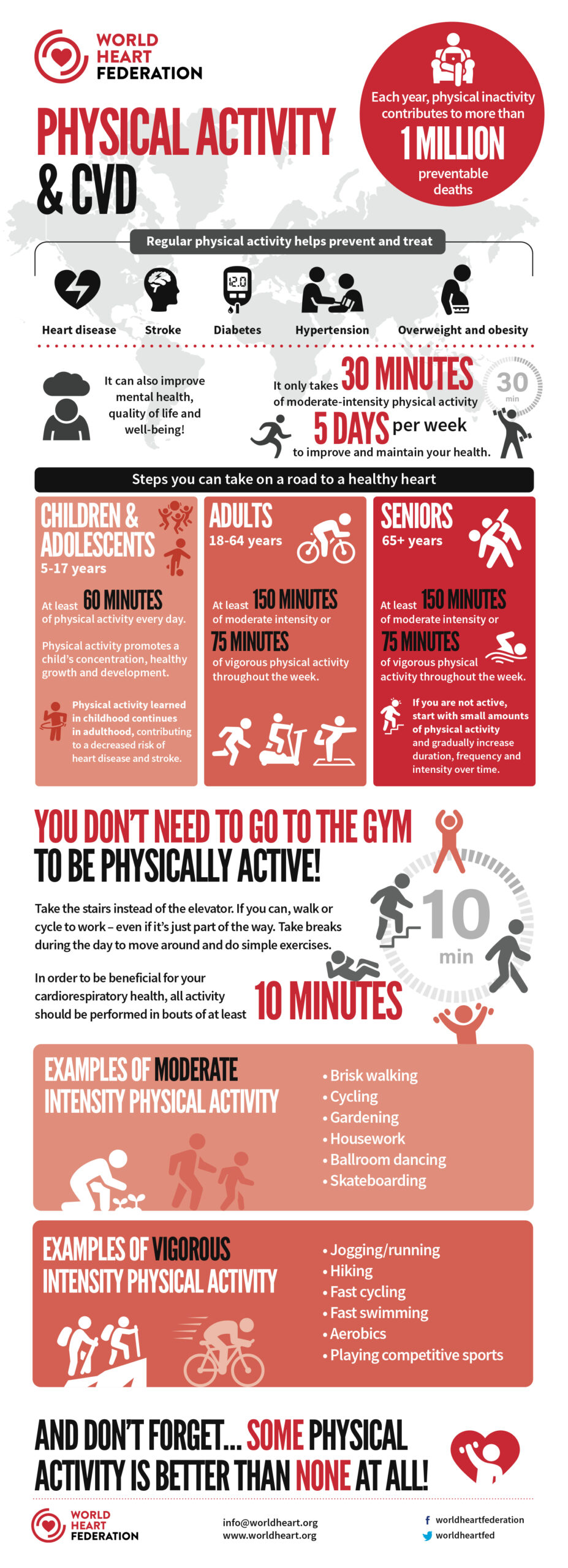
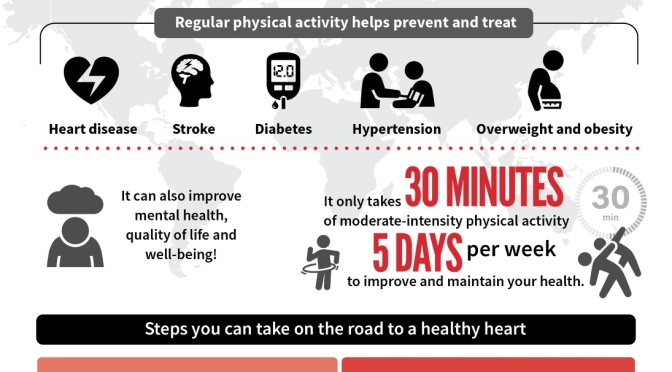
Frequent exercise is robustly associated with a decrease in cardiovascular mortality as well as the risk of developing cardiovascular disease. Physically active individuals have lower blood pressure, higher insulin sensitivity, and a more favorable plasma lipoprotein profile. Animal models of exercise show that repeated physical activity suppresses atherogenesis and increases the availability of vasodilatory mediators such as nitric oxide.
Exercise has also been found to have beneficial effects on the heart. Acutely, exercise increases cardiac output and blood pressure, but individuals adapted to exercise show lower resting heart rate and cardiac hypertrophy.

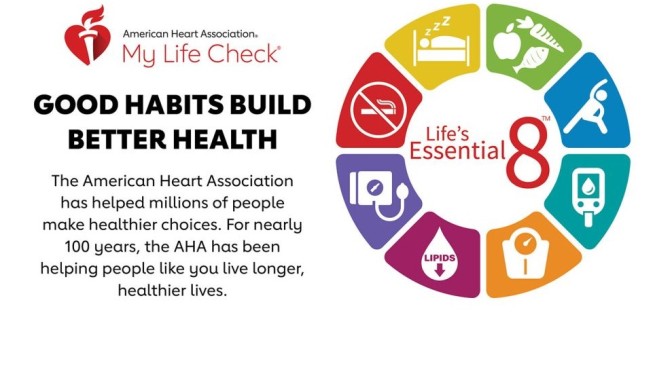
October 2022 – The American Heart Association (AHA) recently revised its checklist for achieving optimal heart health, introducing its new Life’s Essential 8. The list replaces the AHA’s decade-old Life’s Simple 7.
Sleep health is the new addition to the cardiovascular health scoring tool, which now advises that adults get seven to nine hours per night. The organization updated four of the categories:
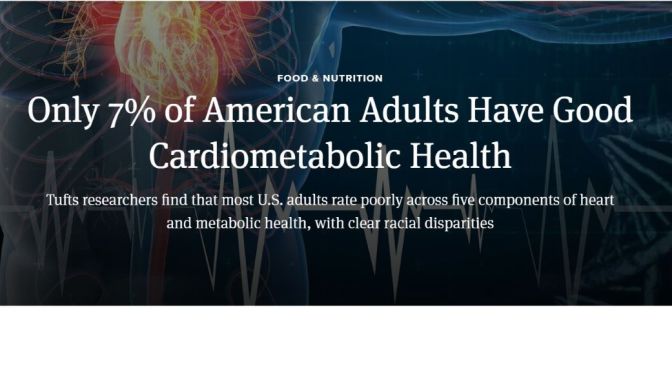
Less than 7% of the U.S. adult population has good cardiometabolic health, a devastating health crisis requiring urgent action, according to research led by a team from the Friedman School of Nutrition Science and Policy at Tufts University in a pioneering perspective on cardiometabolic health trends and disparities published in the July 12 issue of the Journal of the American College of Cardiology. Their team also included researchers from Tufts Medical Center.
Researchers evaluated Americans across five components of health: levels of blood pressure, blood sugar, blood cholesterol, adiposity (overweight and obesity), and presence or absence of cardiovascular disease (heart attack, stroke, etc.). They found that only 6.8 percent of U.S. adults had optimal levels of all five components as of 2017-2018.




 Boomers Daily