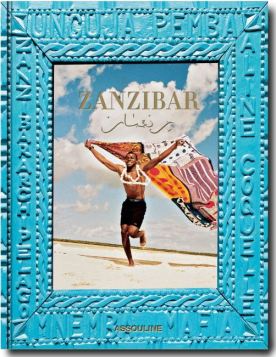
 Off the coast of East Africa in the Indian Ocean sits an archipelago known as Zanzibar. It all started ten million years ago when the island of Pemba separated from mainland Africa and then ten thousand years ago, the island of Unguja followed suit. Thus, begins the legend of Zanzibar.
For centuries, Zanzibar has been the haven and gateway for explorers including Richard Burton and David Livingstone to penetrate the unknown African Continent. Forward to present day, and it is still possible to experience the unique wildlife whether that is by scuba diving off the coast of a private island, infinite lagoons, visiting mangroves or endemic wild forests; getting lost and immersing yourself into the historical labyrinthine streets of Stonetown.
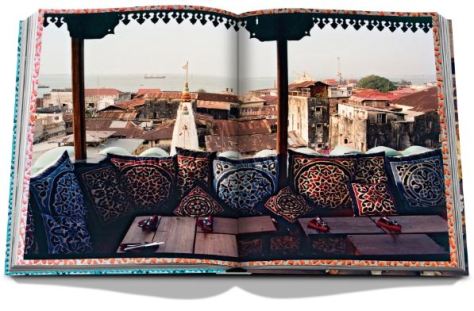
This cluster of islands is at a crossroads of cultures, featuring Omani architecture, Portuguese and British heritages as well as Swahili rituals.
Photographer Aline Coquelle shares an intimate portrait of a community bursting with life. With original photography, a disappearing, indigenous culture is preserved and celebrated. This volume invites the reader to experience the paradise that is Zanzibar.
With a degree in art history and anthropology, nomadic Parisian photographer Aline Coquelle has always traveled the world—she has lived and worked in Central and South America, Asia, and Africa and has been visiting Zanzibar for over twenty years. She contributes to prestigious international publications, and shoots marketing campaigns for luxury brands. Coquelle often works with silver film in order to keep alive the magic of old-time photography because she believes “transcending tradition is the new modernity” and her gelatin silver prints are sought by collectors worldwide. Her other books with Assouline are Palm Springs Style (2005); The Cartier Polo Games (2006); Polo: The Nomadic Tribe (2009); The Italian Dream: Wine, Heritage, Soul (2016); and Be Extraordinary, The Spirit of Bentley (2017).
Mirella Ricciardi is a renowned photographer and author. Her childhood in Kenya has inspired her work and she has published several volumes of photographs including Vanishing Africa (1971), African Saga (1981), and Vanishing Amazon (1991).
Read more or purchase

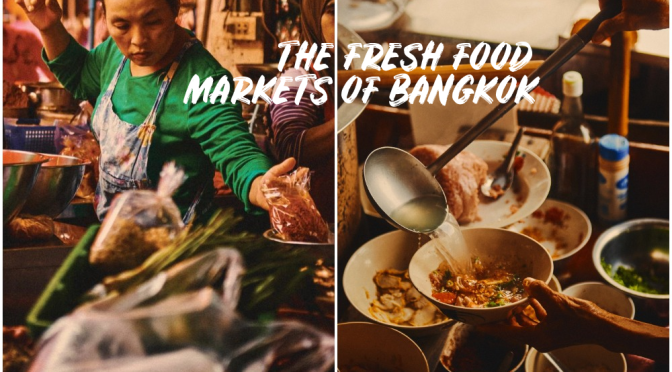
 The aromas here are rich and pungent — smoked, cured, dried and fresh seafood, along with many forms of meat, both raw and cooked. The awnings over the stalls create a shadowy atmosphere that’s punctuated by thin streaks of dancing light.

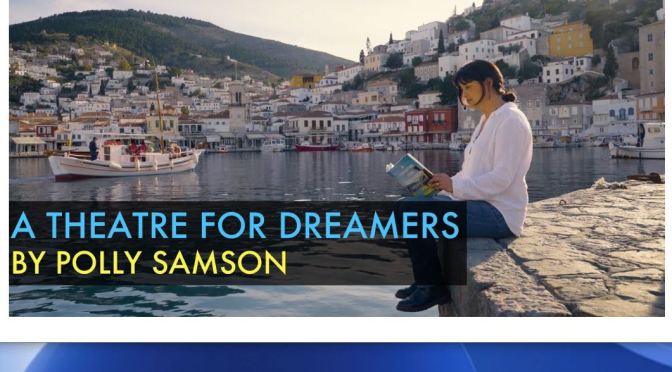
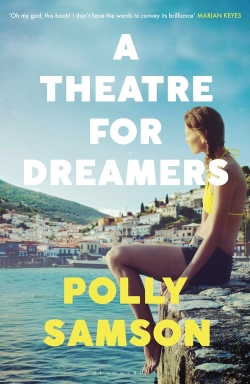 I first went to Hydra six years ago, when it was simply a beautiful Greek island and not a place I went to commune with its ghosts. I don’t think I was even aware that it was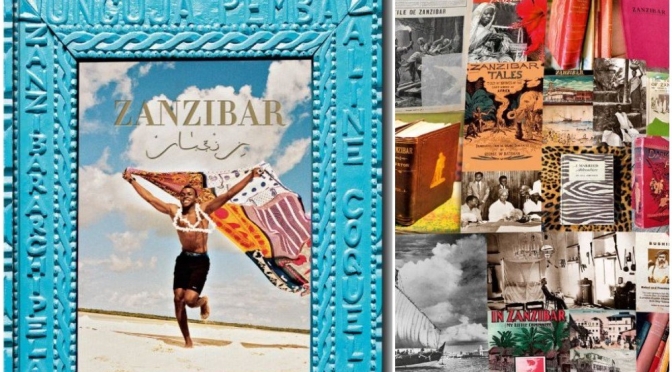
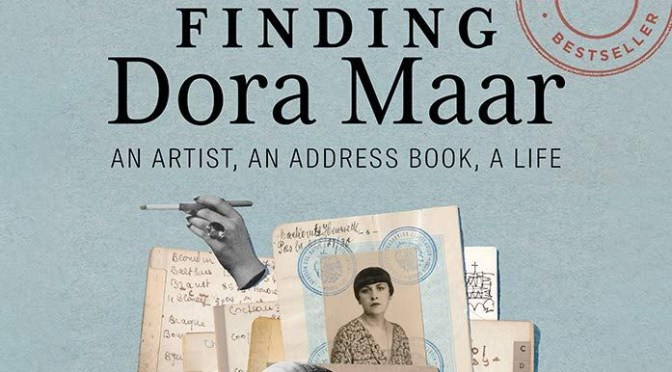
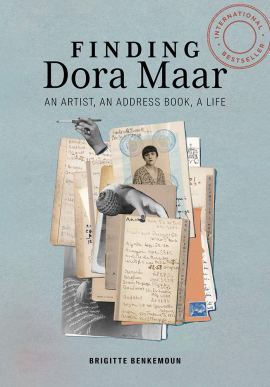 In search of a replacement for his lost Hermès agenda, Brigitte Benkemoun’s husband buys a vintage diary on eBay. When it arrives, she opens it and finds inside private notes dating back to 1951—twenty pages of phone numbers and addresses for Balthus, Brassaï, André Breton, Jean Cocteau, Paul Éluard, Leonor Fini, Jacqueline Lamba, and other artistic luminaries of the European avant-garde.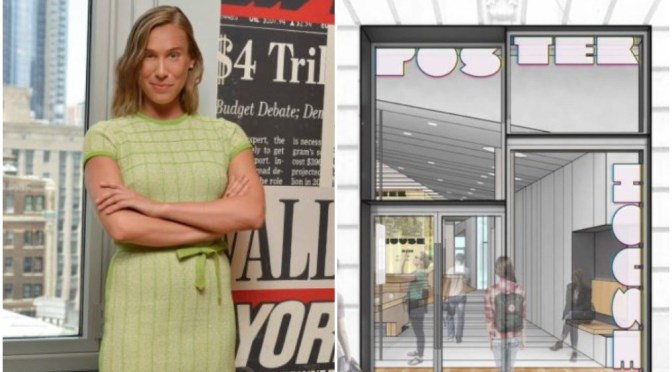
 When New York City’s Poster House museum had to close its doors in early March, director Julia Knight wondered how the institution could support the city.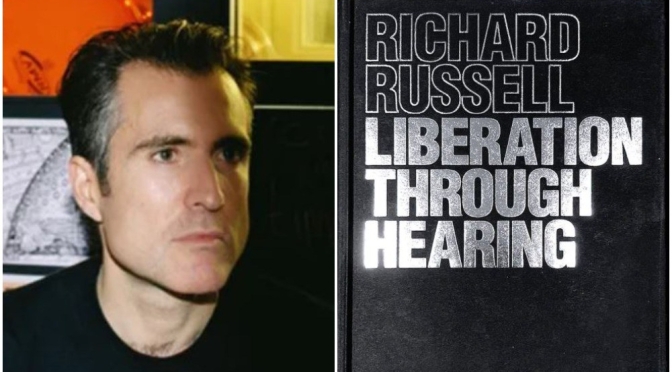
 “Monocle On Culture” speaks to Richard Russell, head of XL Recordings about his brand new book and his incredible career producing records for everyone from Damon Albarn to Bobby Womack, his life in New York that kicked everything off and the unusual start of his collaboration with Gil Scott Heron.
 The story of the restoration of Sir John Soane’s Museum in Lincoln’s Inn Fields. Filmed over a period of 6 years, it traces the research, the discoveries and the skills that made transforming this magical place possible. This third episode reveals the painstaking work that went into restoring artworks within the Museum, and the legacy of the project.
 Boomers Daily