
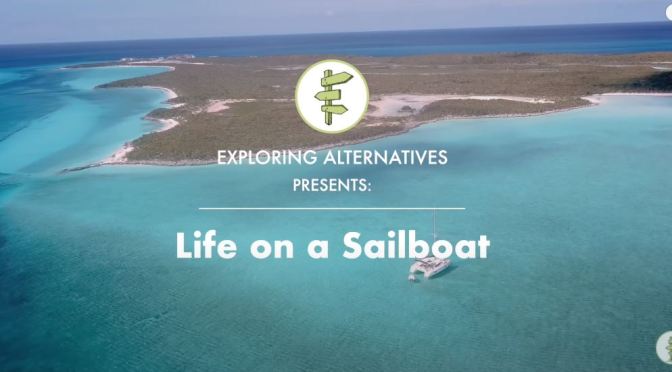
Alejo and Andrea started exploring alternative lifestyles when they quit their jobs in Miami and started travelling in a travel trailer, but after falling in love with kite boarding, they realized that life on the water would be a better fit, and they moved onto a catamaran sailboat so they could chase the wind every day!
For work, they own a pet supply company called Mokai, which they are able to operate remotely, and they also have a YouTube channel where they share videos about their daily lives.
You can follow Living Hakuna’s sailing adventures here: https://www.youtube.com/channel/UCrlb…


 The CEOs of four of the most powerful companies in the world testified before Congress yesterday. While the hearing was supposed to be about anti-trust laws, it quickly devolved into a scattered display of partisanship.
 The Economist updates Covid-19 rates spiking around the world, McDonald’s fast food profits plunge and other top international business and economic news.

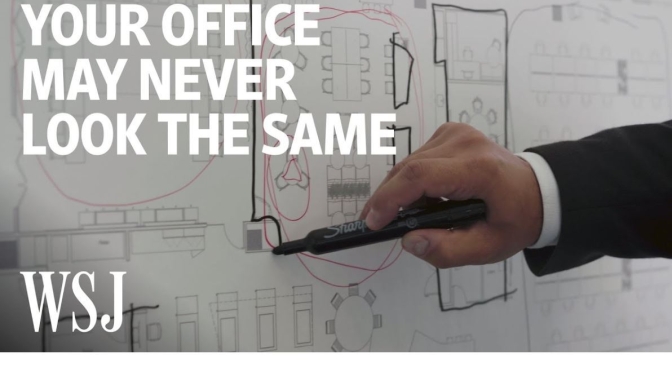
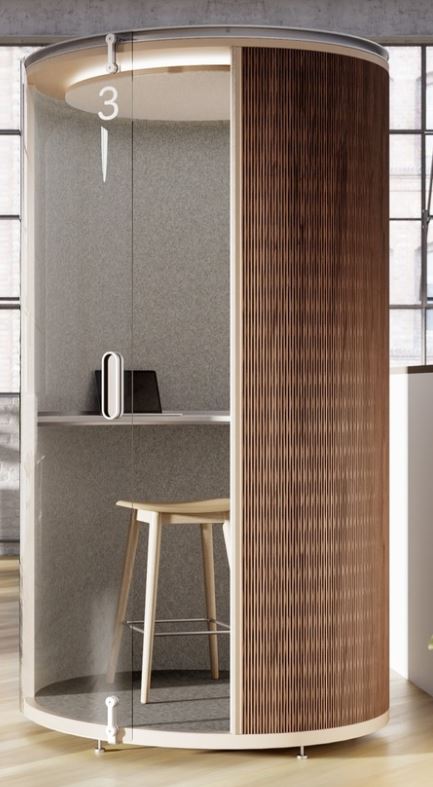 Conceived by iconic designer and Knoll alum, Carl Gustav Magnusson, Silent-Silo is an office booth that thinks outside of the box.
  Buildings are getting tested for coronavirus, too. Research teams in Oregon are conducting real-time coronavirus tests on ventilation systems in buildings that could be essential for returning to the office or school.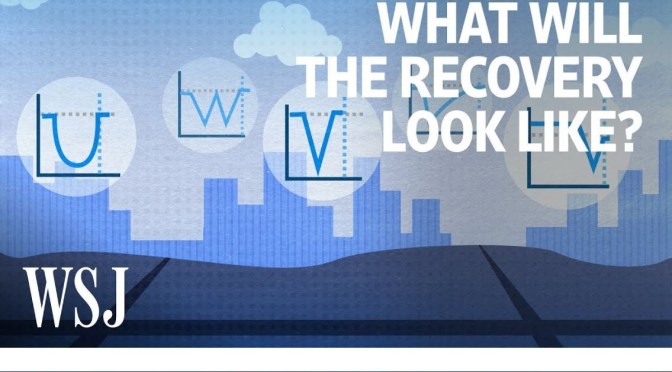
 Economists have long used letters of the alphabet like V and U to describe economic recoveries. But the coronavirus downturn is so different from past recessions that economists are coming up with new shapes to describe the potential recovery. WSJ explains.
  Boomers Daily