
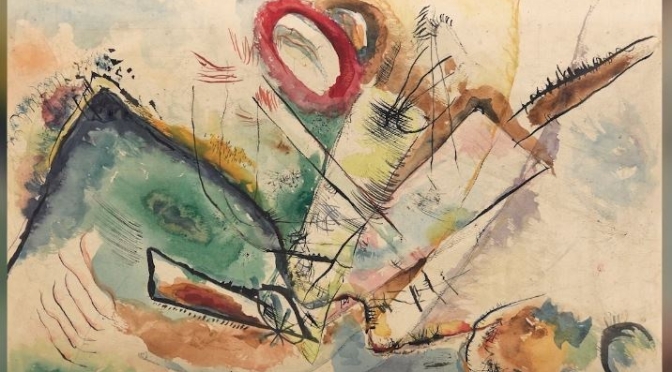
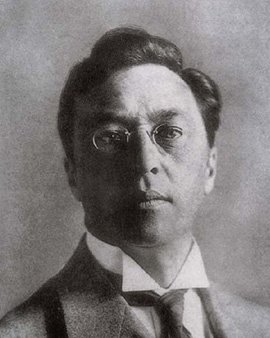
Wassily Kandinsky is widely considered one of the key artists in the development of 20th century abstraction. In this video, discover how an ability to see colours as sounds, and a fascination with spirituality in art, led Kandinsky to his breakthrough. Our upcoming cross-category ‘Rembrandt to Richter’ Evening Sale (28 July | London) features two jewel-like works by Kandinsky. ‘Murnau – Schloss Und Kirche II’ is an oil from Kandinsky’s sought-after 1908-1911 period. ‘Ohne Titel (Komposition)’ from 1914-15, is an exquisite watercolour in which Kandinsky finds harmony in colours that represent spirituality and intense passion. Both works come from an outstanding family collection of works from the European avant-garde.
Wassily Wassilyevich Kandinsky (1866 – 1944) was a Russian painter and art theorist. Kandinsky is generally credited as the pioneer of abstract art. Born in Moscow, Kandinsky spent his childhood in Odessa, where he graduated at Grekov Odessa Art school. He enrolled at the University of Moscow, studying law and economics.
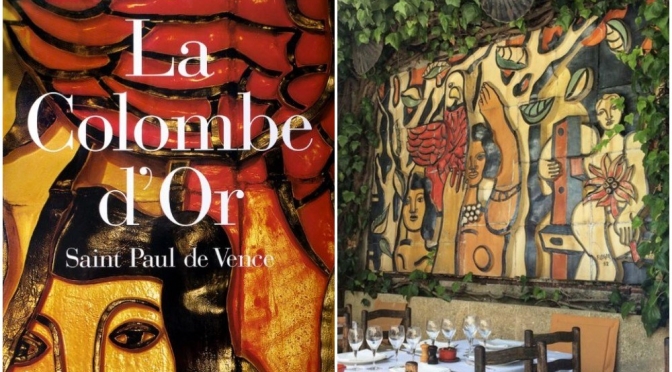
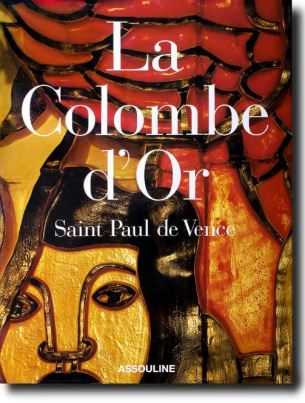 “Provence has a treasure; it’s a Colombe d’Or. It has the precious scent of thyme and nostalgia and the golden colour of olive oil and happy days. The Colombe is a part of my life. For me, it’s a place that’s as full of promise as of magnificent memories. The Colombe is indefinable, inimitable. I’m happy that today a book brings back the atmosphere of this place which is like no other in the world.”
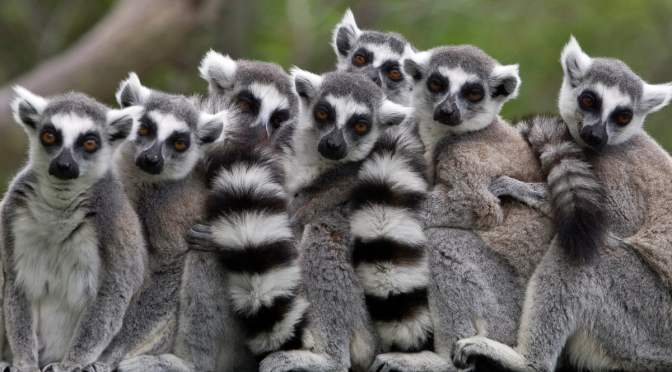
 The first lemur I ever met was a female, and she tried to bite me, which was fair, because I was trying to touch her, and humans have done nothing to recommend themselves to lemurs. She was an indri lemur, living in a wildlife sanctuary outside Antananarivo; she had an infant, which was riding not on her front, like a baby monkey, but on her back, like a miniature Lester Piggott. She had wide yellow eyes. William Burroughs, in his lemur-centric eco-surrealist novella Ghost of Chance, described the eyes of a lemur as ‘changing colour with shifts of the light: obsidian, emerald, ruby, opal, amethyst, diamond’. The stare of this indri resembled that of a young man at a nightclub who urgently wishes to tell you about his belief system, but her fur was the softest thing I have ever touched. I was a child, and the indri, which is the largest extant species of lemur, came up to my ribs when standing on her hind legs. She looked, as lemurs do, like a cross between a monkey, a cat, a rat and a human.
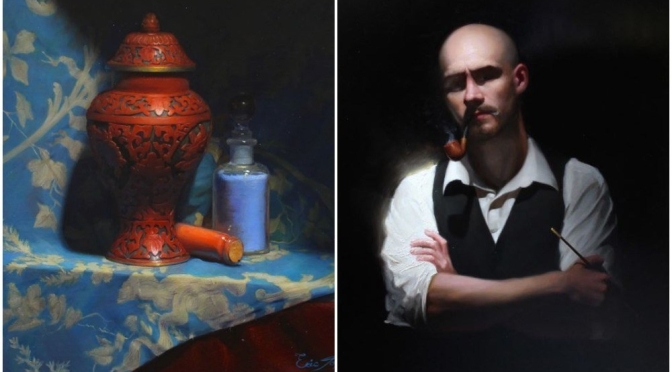
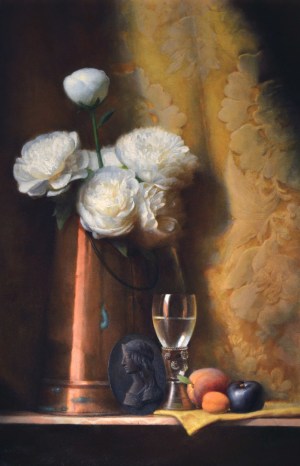 As a complete painter he aspires to reach a high level of
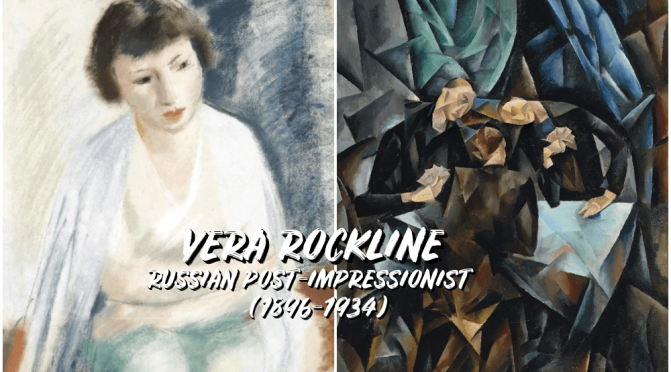
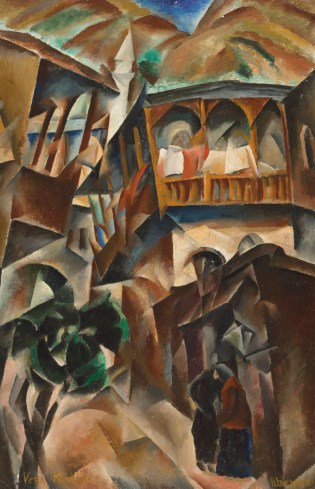
 When she died in April 1934, aged just 37, Vera Rockline was at the peak of her fame. The Russian-born emigrée had made quite a name for herself after moving to Paris in 1921. Obituaries spoke of an ‘incomparable loss’ and a ‘prodigious talent’.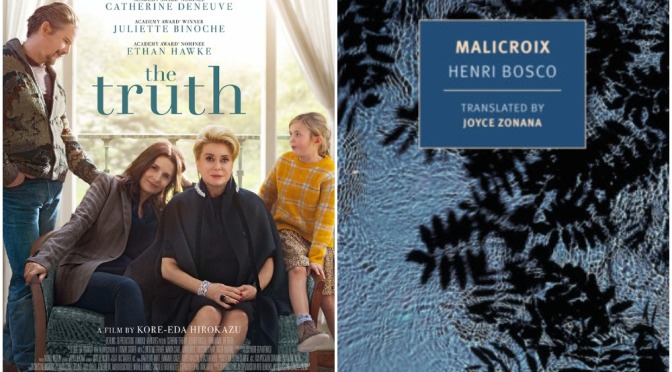
 This week, Medaya speaks with acclaimed filmmaker Hirokazu Kore-eda about his new film, The Truth (La Vérité), starring French film screen legends Catherine Deneuve and Juliette Binoche. Kore-eda discusses complicated family dynamics, the relationship between art and truth-telling and what brought him to France.
 Boomers Daily