Soprano Renée Fleming sings the “Ave Maria” from Verdi’s “Otello” in the Met’s live At-Home Gala on April 25, 2020.
Otello is an opera in four acts by Giuseppe Verdi to an Italian libretto by Arrigo Boito, based on Shakespeare’s play Othello. It was Verdi’s penultimate opera, first performed at the Teatro alla Scala, Milan, on 5 February 1887.
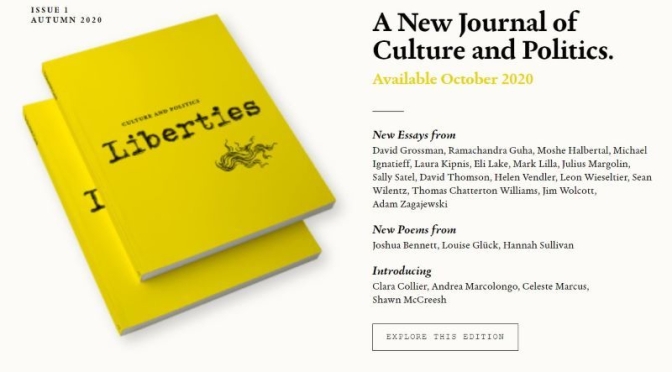
Each issue of Liberties, the Foundation’s decidedly analog quarterly publication, will feature a combination of essays from prominent writers and introduce new talent. Contributors already signed include leading voices from this country and abroad in the worlds of culture, business, entertainment, government, politics, and technology. Each edition of Liberties will also publish new poetry from both highly awarded and up-and-coming poets.
LISTEN TO INTERVIEW WITH PUBLISHER BILL REICHBLUM:
FROM “THE STACK” (MONOCLE 24 PODCAST)
To advance independent thinking and propel new ideas, well-known figures from the worlds of arts, business, government, higher education and philanthropy today announced the formation of the Liberties Journal Foundation. Based in Washington, D.C., the Foundation is a non-partisan, not-for-profit organization that seeks to inform today’s cultural and political leaders, deepen the understanding of citizens, and inspire the next generation to participate in the democratic process and public service. The Foundation’s first initiative is a new quarterly journal, Liberties – A Journal of Culture and Politics, slated for October 2020 debut.
Founding members of the Foundation include the well-known Washington attorney, philanthropist, and former diplomat, Alfred H. Moses; chairman and CEO of cross-border trade company Quberu, Peter Bass; and, respected arts, education, and business leader, Bill Reichblum.
A book for the coat pocket, Liberties’ diverse voices celebrate one commonality: freedom of inquiry and thought.
Liberties’ editorial team reflects the mission of the Journal pairing acclaimed literary critic Leon Wieseltier as editor with Celeste Marcus, a new talent, as managing editor. Bill Reichblum is the publisher. The book will be available as a soft-cover edition, by subscription or single copy, in bookstores and online.
“The Foundation exists to meet the thirst in our country for ideas and serious thinking at a time when the daily news dominates the media and overwhelms our lives,” says Moses. “The Foundation will provide an outlet for world-renowned writers on culture and politics to reach a readership that is looking for stimulation and inspiration at a time when our lives are increasingly assailed by ephemeral trivia.”
“We believe there is a genuine need to take time to listen, to actively absorb in-depth thinking of both those with accomplished experience and the inventive new generation at the beginning of their careers,” says Reichblum. “Their creativity, insights, and perceptions can individually and collectively inspire culture and impact politics.”
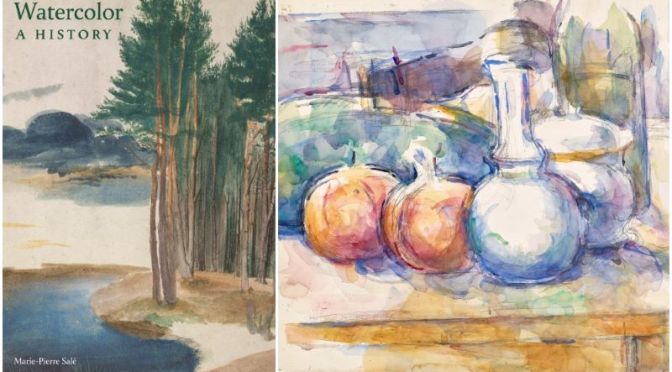
The most comprehensive and best-illustrated history of watercolor painting ever published.
The term watercolor calls to mind atmosphere, luminosity, and immediacy―qualities that derive directly from the quick-drying, translucent nature of water-based pigments. In Watercolor: A History, Louvre curator Marie-Pierre Salé provides an authoritative and beautifully illustrated account of this versatile and widely beloved artistic medium.
Salé’s incisive text traces the development of watercolor from the thirteenth to the twentieth century in Europe and the United States, encompassing every type of work―from plein-air sketches to finished studio pieces―and a wide variety of artists. Here are Dürer’s detailed animal studies, Turner’s landscapes, Cézanne’s tireless explorations, Sargent’s light-dappled sketches, O’Keeffe’s pioneering abstractions.
This handsome volume features more than three hundred full-color illustrations, specially printed on Munken paper to capture the vibrancy and texture of the original works. It is sure to be welcomed by art historians and art lovers alike.
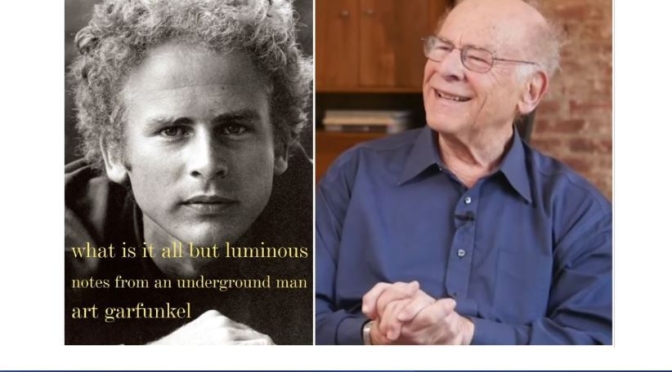
After so many years, shows, and questions about his relationship with his on again-off again musical partner, Art Garfunkel is telling his side of his story. Whether in his 2017 book “What Is It All but Luminous: Notes from an Underground Man,” or the occasional interview— Garfunkel has started talking. Christopher Booker sat down with him just before his book was released in paperback earlier this year.
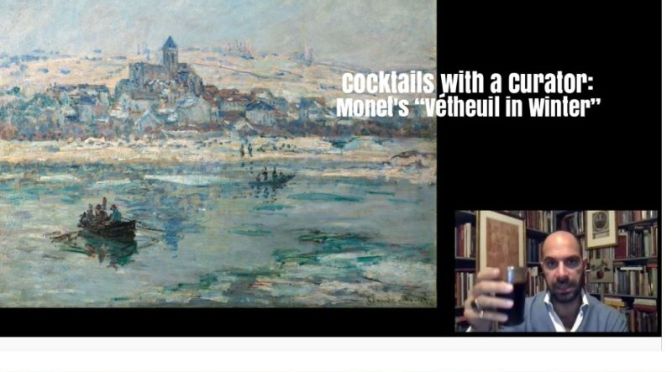
In this week’s episode of “Cocktails with a Curator,” Deputy Director and Peter Jay Sharp Chief Curator Xavier F. Salomon takes viewers through Claude Monet’s journey as an artist, focusing on “Vétheuil in Winter,” one of only four Impressionist paintings at The Frick Collection. Monet created this work during a particularly difficult period in his life, which included his wife’s passing and the bankruptcy of his biggest patron. For Xavier, this canvas signifies the importance of hope, as Monet persevered and went on to complete some of his greatest works in the wake of these challenges. The wintry landscape is paired with a complementary beverage of mulled wine. To view this painting in detail, please visit our website: https://www.frick.org/vetheuilwinter
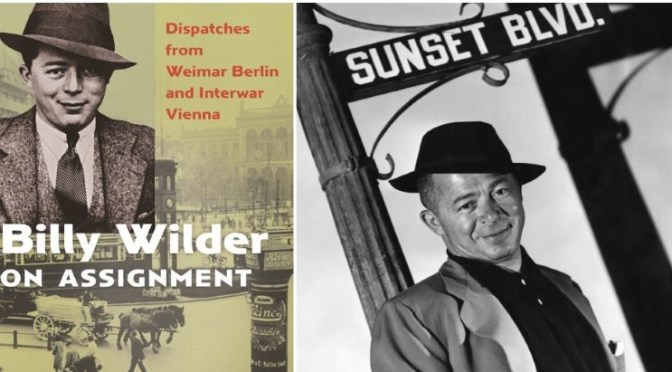
Billy Wilder on Assignment: Dispatches from Weimar Berlin and Interwar Vienna Billy Wilder
Edited by Noah Isenberg Introduction by Noah Isenberg Translated by Shelley Frisch
Acclaimed film director Billy Wilder’s early writings—brilliantly translated into English for the first time Before Billy Wilder became the screenwriter and director of iconic films like Sunset Boulevard and Some Like It Hot, he worked as a freelance reporter, first in Vienna and then in Weimar Berlin.
Billy Wilder on Assignment brings together more than fifty articles, translated into English for the first time, that Wilder (then known as “Billie”) published in magazines and newspapers between September 1925 and November 1930. From a humorous account of Wilder’s stint as a hired dancing companion in a posh Berlin hotel and his dispatches from the international film scene, to his astute profiles of writers, performers, and political figures, the collection offers fresh insights into the creative mind of one of Hollywood’s most revered writer-directors.
Wilder’s early writings—a heady mix of cultural essays, interviews, and reviews—contain the same sparkling wit and intelligence as his later Hollywood screenplays, while also casting light into the dark corners of Vienna and Berlin between the wars. Wilder covered everything: big-city sensations, jazz performances, film and theater openings, dance, photography, and all manner of mass entertainment. And he wrote about the most colorful figures of the day, including Charlie Chaplin, Cornelius Vanderbilt, the Prince of Wales, actor Adolphe Menjou, director Erich von Stroheim, and the Tiller Girls dance troupe.
Film historian Noah Isenberg’s introduction and commentary place Wilder’s pieces—brilliantly translated by Shelley Frisch—in historical and biographical context, and rare photos capture Wilder and his circle during these formative years.
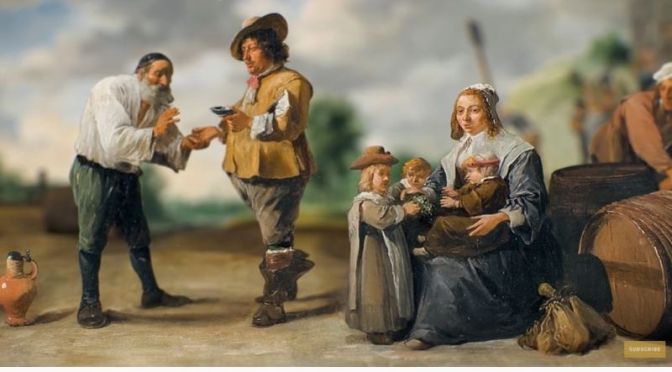
Hear the voice of Downton Abbey star Jim Carter bring to life David Teniers’ monumental depiction of a 17th-century wine harvest. Immerse yourself in Teniers’ unrivalled talent for storytelling as we see grape harvesters unloading their bounty, coopers fixing up wine barrels, a wine merchant sealing a deal, and worse for wear villagers raising their glasses to the temple of Bacchus. Unseen in over a century, ‘The Wine Harvest’ is the finest work by Teniers to come to market in living memory.
David Teniers the Younger or David Teniers II was a Flemish Baroque painter, printmaker, draughtsman, miniaturist painter, staffage painter, copyist and art curator. He was an extremely versatile artist known for his prolific output.
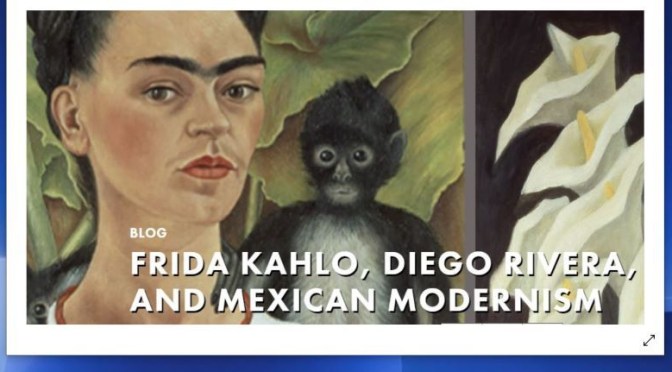
“Frida Kahlo, Diego Rivera, and Mexican Modernism from the Jacques and Natasha Gelman Collection” is on view at the Denver Art Museum through January 24, 2021.
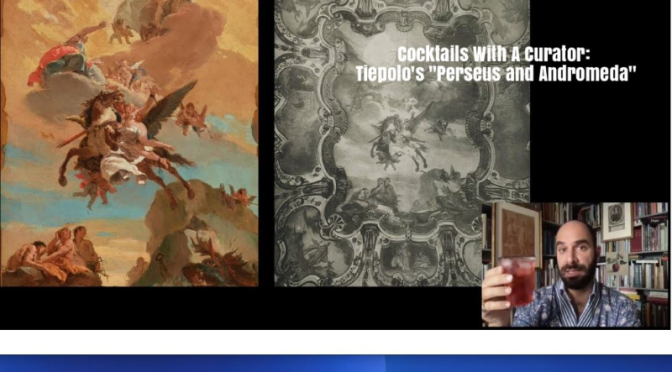
In this week’s episode of “Cocktails with a Curator,” Deputy Director and Peter Jay Sharp Chief Curator Xavier F. Salomon considers the fragility of art in the context of the Frick’s “Perseus and Andromeda” by Giambattista Tiepolo. This depiction of the Greek demigod saving Andromeda from a sea-monster is a preparatory sketch for a series of ceiling frescoes at Palazzo Archinto in Milan that were destroyed during an Allied bombing in 1943. The painting was featured in an acclaimed 2019 exhibition at the Frick that brought together the surviving preparatory works and pre-war photography to tell the story of these lost masterpieces. This week’s complementary cocktail is a Milanese Gin and Tonic.







 Boomers Daily