
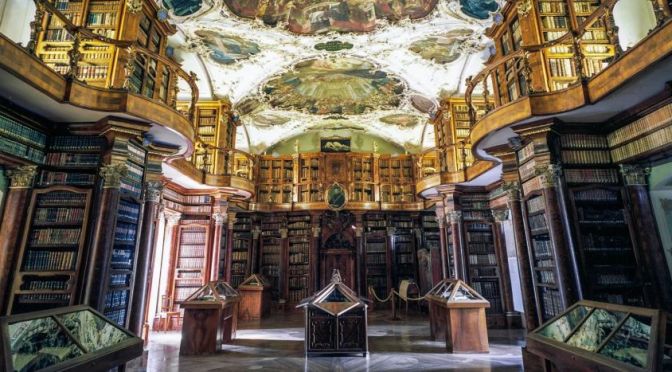
“Libraries are especially useful in this moment, because they’re open to everybody,” Robert Dawson says. “They can be a way for us to talk to each other. Throughout the world, they’re symbols of hope.”
Category Archives: Arts & Literature



Cocktails With A Curator: Bruegel The Elder’s “The Three Soldiers” (Video)
n this week’s episode of “Cocktails with a Curator,” Deputy Director and Peter Jay Sharp Chief Curator Xavier F. Salomon discusses “The Three Soldiers” by Pieter Bruegel the Elder, one of only a few works by the artist outside Europe. Bruegel is best known for his lively and often comical peasant scenes, but here he takes as his subject three landsknechts, or German mercenary foot soldiers.
Currently on view on the second floor of Frick Madison, this grisaille painting shows a drummer, a standard-bearer, and a fifer outfitted in flamboyant costume (and presumably urging their fellow soldiers into battle). This week’s complementary cocktail is the Radler, a mixture of lemonade and lager favored in German-speaking lands north of the Alps.
To view this painting in detail, please visit our website: https://www.frick.org/bruegel3soldiers

British Masterpieces: ‘Purfleet And The Essex Shore’ By J.M.W. Turner
Travel back in time to J.M.W. Turner’s Harley Street gallery before immersing yourself in one of the finest seascapes ever painted by a British artist. Movie trailer legend Nick Ellsworth reads from Poet Laureate John Masefield’s ‘Sea Fever’ as we set sail across the mouth of the River Thames to explore Turner’s masterpiece. ‘Purfleet and the Essex Shore as seen from Long Reach’ established Turner’s reputation as the greatest marine painter of the modern age.
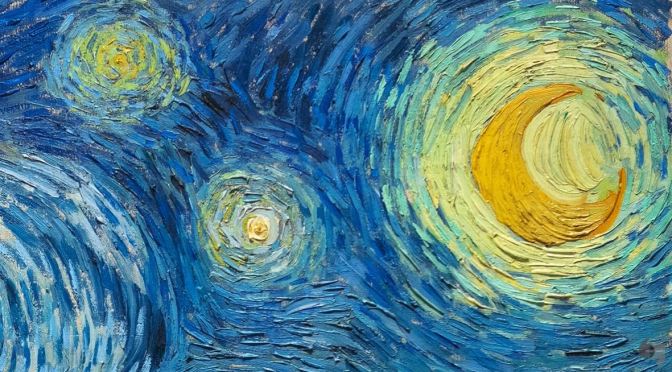
Art History: ‘Starry Night’ By Vincent Van Gogh (1889)
Vincent van Gogh, The Starry Night, 1889 (June, Saint Rémy), oil on canvas, 73.7 x 92.1 cm (The Museum of Modern Art) Speakers: Dr. Beth Harris and Dr. Steven Zucker
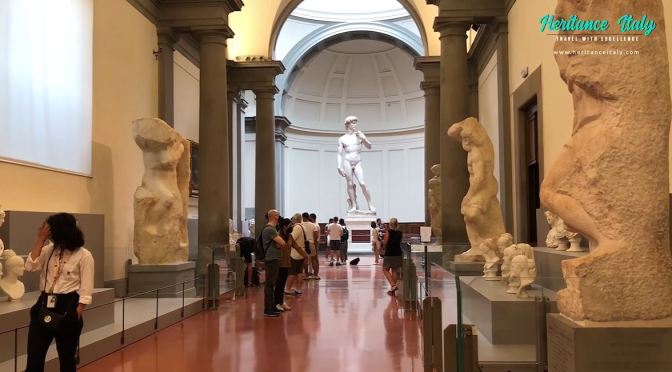
Museum Tour: Accademia Gallery, Florence, Italy
The Galleria dell’Accademia di Firenze, or “Gallery of the Academy of Florence”, is an art museum in Florence, Italy. It is best known as the home of Michelangelo‘s sculpture David. It also has other sculptures by Michelangelo and a large collection of paintings by Florentine artists, mostly from the period 1300–1600, the Trecento to the Late Renaissance. It is smaller and more specialized than the Uffizi, the main art museum in Florence. It adjoins the Accademia di Belle Arti or academy of fine arts of Florence, but despite the name has no other connection with it.

Literary: Virginia Woolf’s ‘A Room Of One’s Own’ Read By Natalie Dormer
Listen to the first chapter of Virginia Woolf’s classic A Room of One’s Own, read by Natalie Dormer.
Download the full audiobook here: https://adbl.co/3grA9PY
A Room of One’s Own, based on a lecture given at Girton College Cambridge, is one of the great feminist polemics. Woolf’s blazing writing on female creativity, the role of the writer, and the silent fate of Shakespeare’s imaginary sister remains a powerful reminder of a woman’s need for financial independence and intellectual freedom. This Penguin Classic is performed by Natalie Dormer, best known for her standout role as Queen Margaery in Game of Thrones, as well as her roles in The Hunger Games and Captain America: The First Avenger.
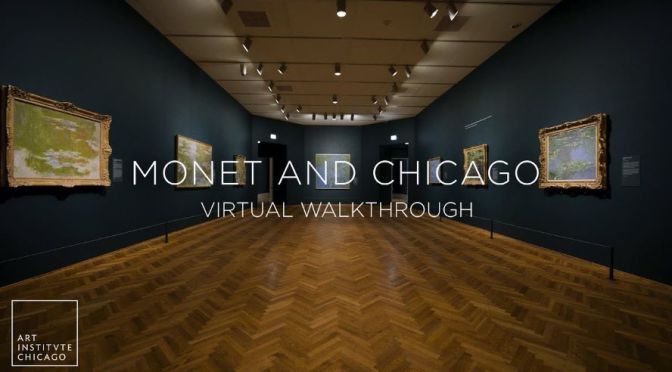
Museum Exhibit Tour: ‘Monet And Chicago’
Experience the highly acclaimed exhibition “Monet and Chicago” with this virtual tour led by Gloria Groom, Chair and David and Mary Winton Green Curator of Painting and Sculpture of Europe. Learn more about Monet and Chicago on our exhibition page: https://www.artic.edu/exhibitions/903…
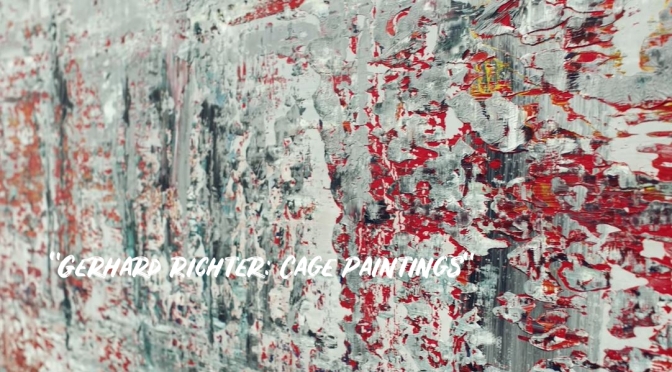
Art Exhibitions: ‘Gerhard Richter – Cage Paintings’
“Gerhard Richter: Cage Paintings”—an exhibition presented by Gagosian in New York and Beverly Hills—with Hans Ulrich Obrist and Richard Calvocoressi, featuring a musical performance and reading by Patti Smith and new choreography created and performed by Rashaun Mitchell + Silas Riener to music by John Cage in response to the work.
Gerhard Richter is a German visual artist. Richter has produced abstract as well as photorealistic paintings, and also photographs and glass pieces. He is widely regarded as one of the most important contemporary German artists and several of his works have set record prices at auction.
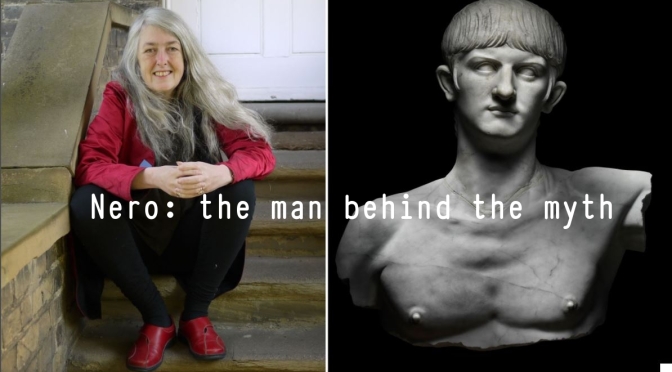
Podcast: Historian Mary Beard On Emperor Nero
This week: Mary Beard on Nero, one of the most infamous Roman emperors. Was he the sadistic murderer of legend, the emperor who fiddled as Rome burned, or has he been a victim of spin and myth?
As well as getting Mary’s take on this infamous figure and Nero: the man behind the myth, the exhibition about him that’s just opened at the British Museum in London, Ben Luke also talks to the exhibition’s curator Thorsten Opper.
Also this week, as the first London Gallery Weekend begins—with 140 galleries from Mayfair to Mile End taking part—The Art Newspaper‘s editor-at-large Georgina Adam speaks to Jeremy Epstein, co-founder of Edel Assanti gallery and one of the founders of London Gallery Weekend initiative. And in this episode’s Work of the Week, we talk to the artist Nina Katchadourian about a very personal piece of embroidery, created by her adopted grandmother, which has inspired a new work by the artist in her show at Pace in New York.
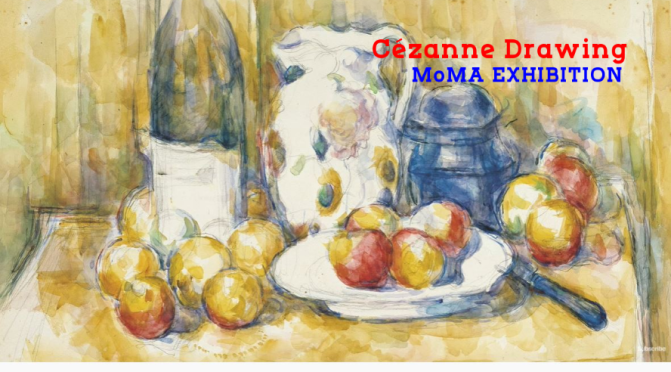
Art Exhibitions: ‘Cézanne Drawing’ – MoMA (Video)
Best known as a painter, Paul Cézanne (1839–1906) produced some of his most radically original works on paper. Cézanne Drawing brings together more than 250 rarely shown works in pencil and kaleidoscopic watercolor from across the artist’s career, along with key paintings, that together reveal how drawing shaped Cézanne’s transformative modern vision.
Learn more: https://www.moma.org/calendar/exhibit…
 Boomers Daily