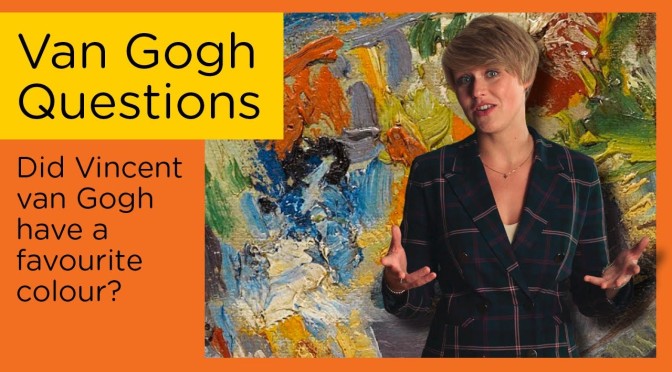
In Van Gogh Questions, our researcher Bregje Gerritse answers the most frequently asked questions about Vincent van Gogh.

In Van Gogh Questions, our researcher Bregje Gerritse answers the most frequently asked questions about Vincent van Gogh.
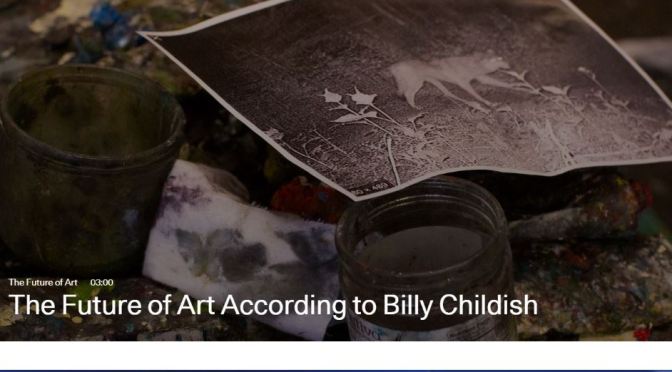
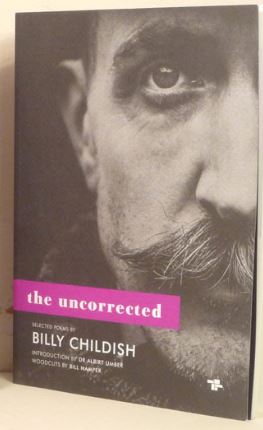 “The art world is the same as the rest of the world,” says British artist, writer, and punk-rocker Billy Childish. “What it requires is new, more, and now.” Childish has worked defiantly and prolifically outside of the mainstream since his expulsion from art school in the early 1980s. To the polymath—whose paintings, poems, novels, and music draw heavily from his autobiography—art is a deeply personal experience that should not rely on external validation, whether from critics or audiences. From his painting studio located on a historic dockyard in Kent, United Kingdom, Childish speaks passionately about the freedom that comes with self-validation. When asked about his perspective on the future of art, he demurs. “People think we’re continually ascending a mountain to success or to enlightenment,” he says. “It’s here and now and this is it.”
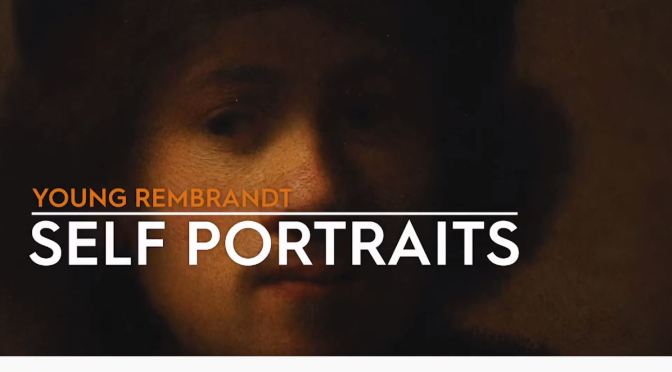
Curator An Van Camp tells us about Rembrandt’s obsession with self portraits and how he improved his skill throughout his life.
Rembrandt Harmenszoon van Rijn; 15 July 1606 – 4 October 1669) was a Dutch draughtsman, painter, and printmaker. An innovative and prolific master in three media, he is generally considered one of the greatest visual artists in the history of art and the most important in Dutch art history. Unlike most Dutch masters of the 17th century, Rembrandt’s works depict a wide range of style and subject matter, from portraits and self-portraits to landscapes, genre scenes, allegorical and historical scenes, and biblical and mythological themes as well as animal studies. His contributions to art came in a period of great wealth and cultural achievement that historians call the Dutch Golden Age, when Dutch art (especially Dutch painting), although in many ways antithetical to the Baroque style that dominated Europe, was extremely prolific and innovative and gave rise to important new genres. Like many artists of the Dutch Golden Age, such as Jan Vermeer of Delft, Rembrandt was also an avid art collector and dealer.
From Wikipedia
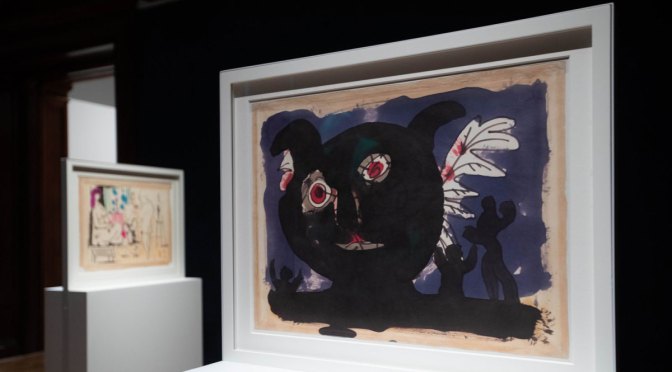
Experience our Picasso and Paper exhibition from your own home in this video tour of the galleries, created before the Royal Academy had to close its doors due to coronavirus.
Picasso didn’t just draw on paper — he tore it, burnt it, and made it three-dimensional. From studies for ‘Guernica’ to a 4.8-metre-wide collage, this exhibition brings together more than 300 works on paper spanning the artist’s 80-year career.
Installation views of the Picasso and Paper exhibition at the Royal Academy of Arts. © Succession Picasso/DACS 2020. Exhibition organised by the Royal Academy of Arts, London and the Cleveland Museum of Art in partnership with the Musée national Picasso-Paris.
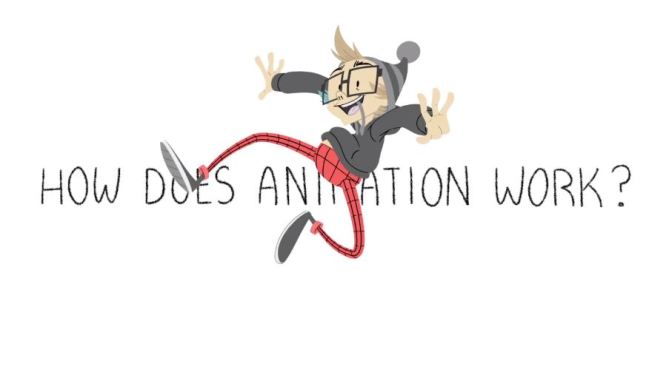
Created, Animated and Directed by: Tyler Pacana
An overview of how animation is made with traditional, 2D-rigged, stop-motion, and CG techniques.
Music: Hub World – Yotam Perel
Produced at Sheridan College [2020].
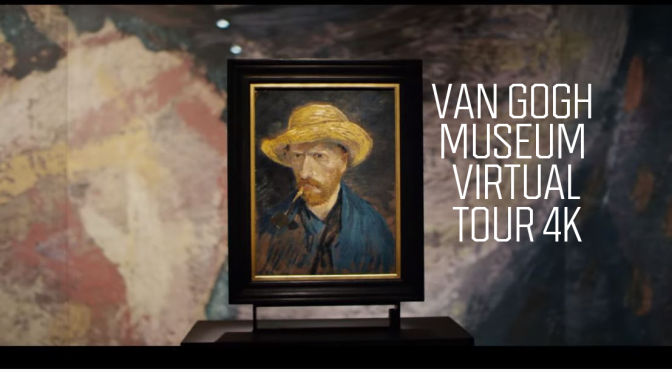
Van Gogh Museum Tour in 4K. Have you always wanted to be alone in the Van Gogh Museum? Step into Vincent’s world and enjoy the private video tour.
Episode 5: Van Gogh Museum Amsterdam
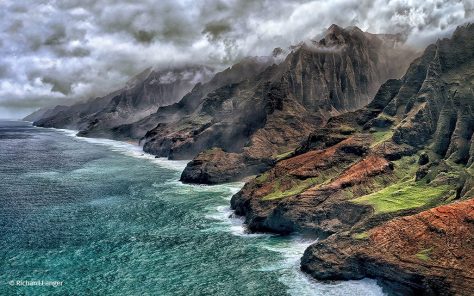
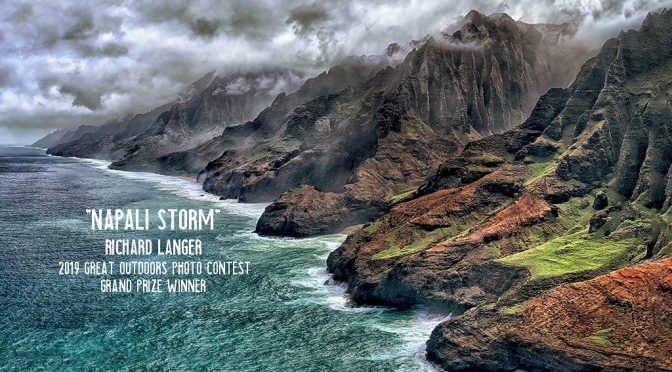
The grand prize in the 2019 Great Outdoors Photo Contest goes to Richard Langer for the image, “Napali Storm.”
“This photograph was taken from a small helicopter over the Napali cliffs on the island of Kauai, Hawaii,” explains Langer. “To avoid the distortions that would result from photographing through the helicopter’s dome, I selected one that had no doors. This was fine for photography, but it let the rain and wind in on my wife and me. Though the weather had been stormy and rainy throughout the flight, it lifted a little as we flew over the ocean. By the end of the trip, we were drenched and shaken, but knew that we had witnessed an amazing sight.”

From Outdoor Photographer
While its focus is on familiar backyard birds–blue jays, nuthatches, chickadees–it also examines certain species that can be fairly easily observed, such as the  seashore-dwelling Atlantic puffin. David Sibley’s exacting artwork and wide-ranging expertise bring observed behaviors vividly to life.
The bird book for birders and nonbirders alike that will excite and inspire by providing a new and deeper understanding of what common, mostly backyard, birds are doing–and why.
“Can birds smell?” “Is this the same cardinal that was at my feeder last year?” “Do robins ‘hear’ worms?” In What It’s Like to Be a Bird, David Sibley answers the most frequently asked questions about the birds we see most often. This special, large-format volume is geared as much to nonbirders as it is to the out-and-out obsessed, covering more than two hundred species and including more than 330 new illustrations by the author.
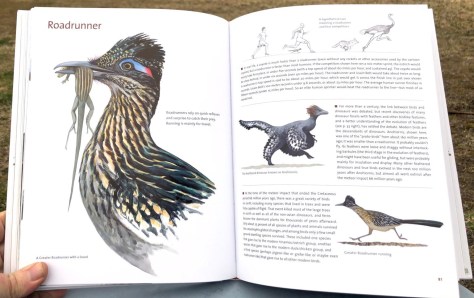
And while the text is aimed at adults–including fascinating new scientific research on the myriad ways birds have adapted to environmental changes–it is nontechnical, making it the perfect occasion for parents and grandparents to share their love of birds with young children, who will delight in the big, full-color illustrations of birds in action. Unlike any other book he has written, What It’s Like to Be a Bird is poised to bring a whole new audience to David Sibley’s world of birds.
DAVID ALLEN SIBLEY is the author and illustrator of the series of successful guides to nature that bear his name, including The Sibley Guide to Birds. He has contributed to Smithsonian, Science, The Wilson Journal of Ornithology, Birding, BirdWatching, North American Birds, and The New York Times. He is a recipient of the Roger Tory Peterson Award for Promoting the Cause of Birding from the American Birding Association and the Linnaean Society of New York’s Eisenmann Medal. He lives and birds in Massachusetts.
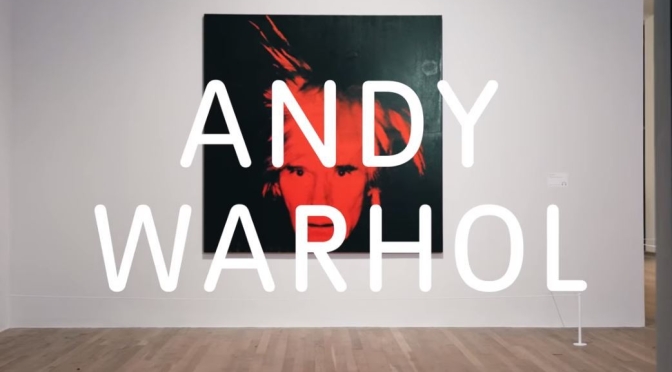
Although our galleries are temporarily closed we wanted to share the Andy Warhol exhibition at Tate Modern with you. Join Tate curators Gregor Muir and Fiontán Moran as they discuss Warhol through the lens of the immigrant story, his LGBTQI identity and concerns with death and religion.
Meet the man behind the brand. It’s a Warhol you might not know, with some artworks you may not have seen before.
Find out more about the exhibition here
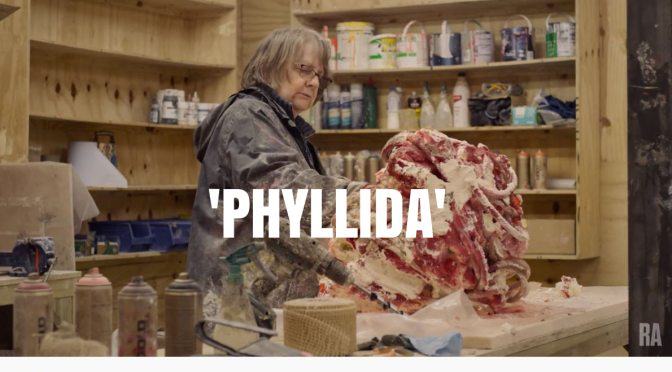
This documentary is an intimate portrait of British sculptor Phyllida Barlow during her preparation for the major survey ‘cul-de-sac’ at the Royal Academy last 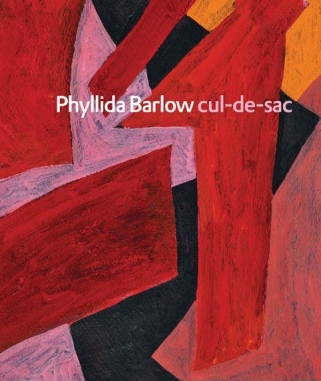 year. Directed by Cosima Spender, this film maps the roots of Barlow’s oeuvre, as she revisits childhood memories, domestic and urban spaces, and their subsequent role in her creative process.
Phyllida Barlow began studying at Chelsea College of Art in 1960, and went on to study and teach at Slade School of Art for more than twenty years, becoming Emerita Professor in 2009. She was elected a Royal Academician in 2011, and represented Great Britain in the 2017 Venice Biennale, where she created the ambitious installation, ‘folly’.
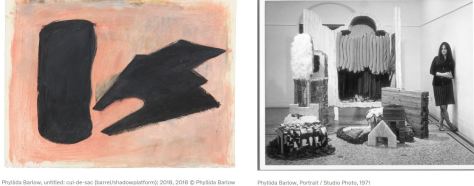
Watch this evolution and the artist’s influences in ‘PHYLLIDA’. ‘I want the work to be traversed in a way that your memory of it is tested, so that you keep forgetting what you’ve seen’, Barlow explains, ‘I think that is the nature of sculpture – not something that can be held as a whole image in your head, only as fragments… The spaces, the silences in between, are as much a component of the work as the thing itself.”
‘PHYLLIDA’ is produced by Hauser & Wirth, in association with Third Channel and Peacock Pictures.

 Boomers Daily