
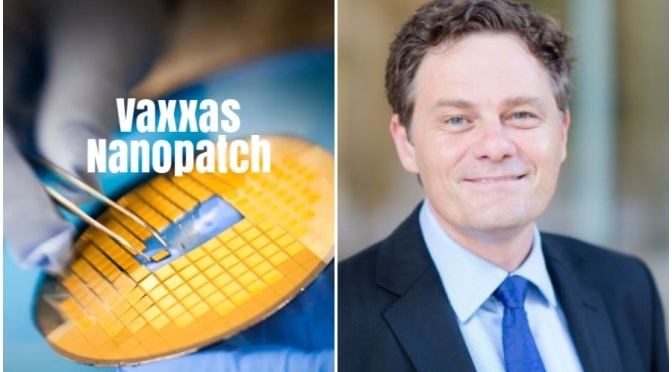
 Rocket scientist-turned-immunology expert Mark Kendall talks about his Nanopatch, which could revolutionise vaccinations and eradicate some diseases.
Mark Kendall (born 1972) is an Australian biomedical engineer and innovator. He is an Entrepreneurial Professor of the Australian National University. His field of research is the delivery of immunotherapeutics to the skin without the use of a needle or syringe.
In 2011, he co-founded the development company Vaxxas with an investor syndicate. The company’s technology, called Nanopatch, is intended to serve as a needle-free vaccine delivery device. In 2011, Kendall and his AIBN team received the Australian Research Council Eureka Prize for Excellence in Research by an Interdisciplinary Team. In 2012, he was awarded the Rolex Awards for Enterprise for his “pioneering efforts to expand knowledge and improve human life”.
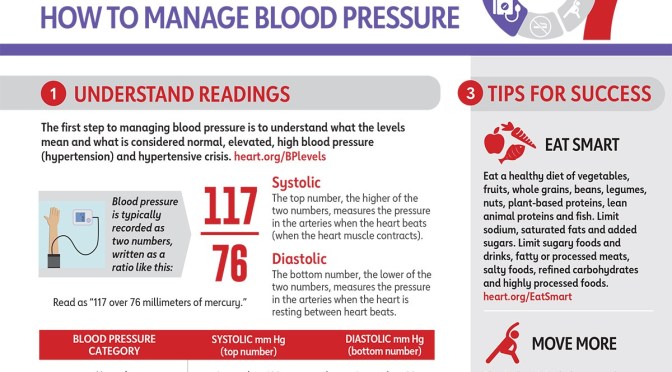
 Seasonal variation in blood pressure has been known for 40 years, but, to our knowledge, for the first time we show here that this occurs independently of temperature. The reduction in blood pressure is more marked with a rise in UVB than UVA, and in whites than black people. Dermatological concerns about the skin cancer inducing effects of UV radiation need to be balanced against the observed blood pressure lowering effects of sunlight, particularly given the greatly higher burden of disease caused by hypertension.
 Sunlight exposure appears to lower blood pressure; insufficient exposure to natural ultraviolet radiation and/or active avoidance of sunlight may be new risk factors for hypertension.
 We found no association between egg consumption and risk of cardiovascular disease in three large US cohorts. Results from the updated meta-analysis lend further support to the overall lack of an association between moderate egg consumption (up to one egg per day) and cardiovascular disease risk.
 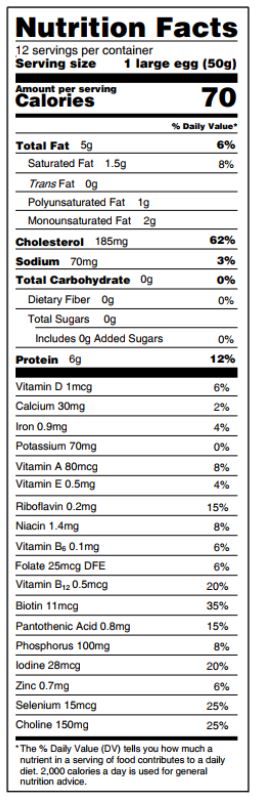 Eggs are a major source of dietary cholesterol, but they are also an affordable source of high quality protein, iron, unsaturated fatty acids, phospholipids, and carotenoids.

 What happens when you catch coronavirus? The Telegraph’s Global Health Security Editor Paul Nuki explains all the ways in which you could become infected with COVID-19 and how your body reacts to this virus.
 Listen to the latest from the world of science, with Benjamin Thompson and Nick Howe. This week, improving computers’ image identification, and a new method for growing crystals.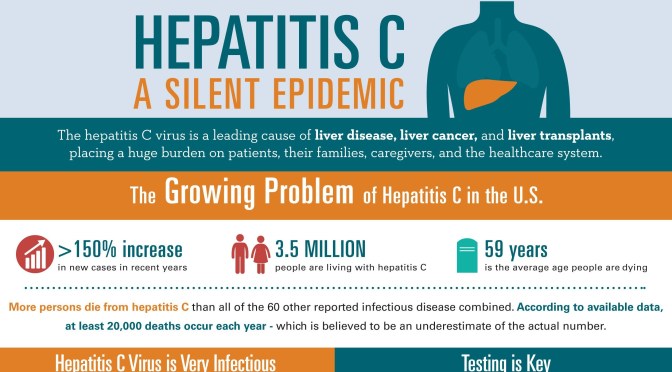
 “The opioid epidemic has added fuel to the HCV fire, substantially increasing transmission,” said Owens. “HCV is now an enormous public health problem, affecting a much broader age range of people than before. Fortunately, we have the tools to identify people and treatment is now successful in the vast majority of patients, so screening can prevent the mortality and morbidity from HCV.”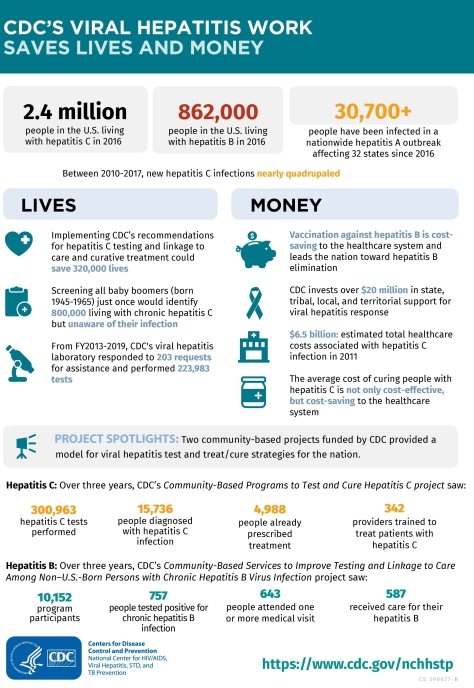
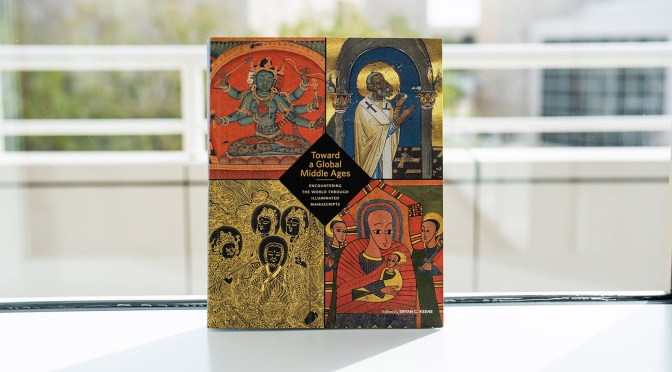
 What was the world like from 500 to 1500 CE? This period, often called medieval or the Middle Ages in European history, saw the rise and fall of empires and the expansion of cross-cultural exchange.

 Boomers Daily