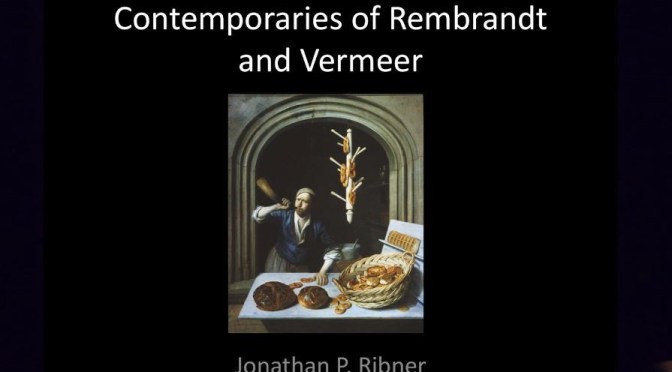
Jonathan Ribner, associate professor; director of Graduate Admissions, Department of History of Art and Architecture, Boston University.

Jonathan Ribner, associate professor; director of Graduate Admissions, Department of History of Art and Architecture, Boston University.
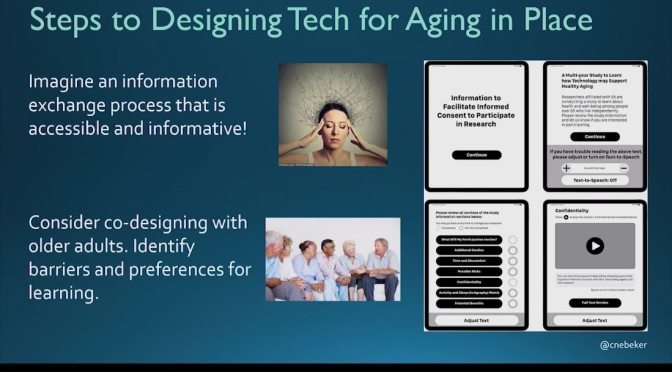
Digital tools including mobile apps, wearable sensors, and social network platforms offer unprecedented opportunities in health research and healthcare. However, this rapidly emerging sector is outpacing existing regulatory structures and challenging norms for ethical practice.
Camille Nebeker, EdD, MS, Associate Professor of Behavioral Medicine in the Department of Family Medicine & Public Health at the UC San Diego School of Medicine describes how technologies, including wearable sensors and artificial intelligence, are leveraged to capture personal health data and infer health status. Nebeker presents the ethical considerations specific to informed consent, risks of harm and potential benefits while underscoring the role that funding agencies, policy makers, researchers, ethicists, and editors have in creating the infrastructure needed to advance safe digital health research and practice.
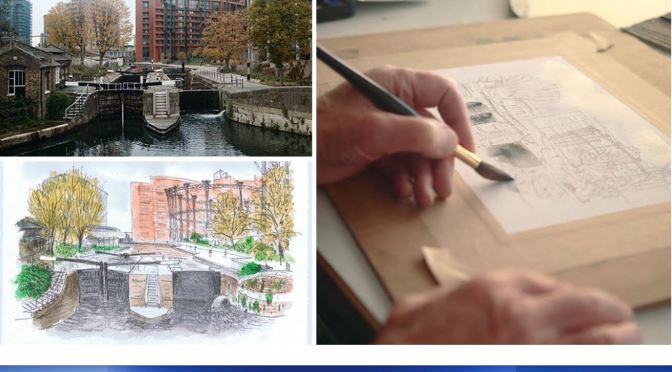
David Gentleman is an iconic British illustrator and designer who has lived a lifetime in London. Drawing from over sixty years of engagement with this most 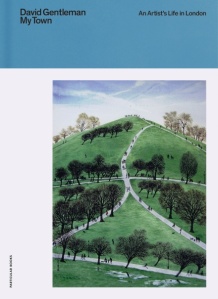 well-known capital city, his most recent book,
My Town presents London as it was and as it is today. His beautiful and intricate work – of the Thames, Hampstead Heath, Camden Town (where David Gentleman has lived in the same house for fifty years), London’s parks and sights – offers us the pleasure of looking again at the everyday.
Accompanied by reflections on the work of an artist, commentary on the possibilities of ink, pen and paint and personal thoughts on the ever-changing city, this is a delight for all those who flock to London.
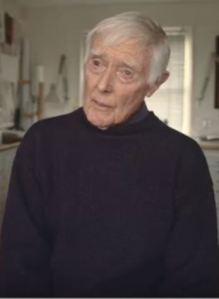
David William Gentleman is an English artist. He studied illustration at the Royal College of Art under Edward Bawden and John Nash. He has worked in watercolour, lithography and wood engraving, at scales ranging from platform-length murals for Charing Cross Underground Station in London to postage stamps and logos. (Wikipedia)

The Iowa caucuses are biennial electoral events for members of the Democratic and Republican Parties in the U.S. state of Iowa. Unlike primary elections in most other U.S. states, where registered voters go to polling places to cast ballots, Iowans instead gather at local caucus meetings to discuss and vote on the candidates. During both the presidential and midterm election seasons, registered Iowan voters vote in a per-precinct caucus for the party of which they are registered as a member.[1] The caucuses are also held to select delegates to county conventions and party committees, among other party activities.
From Wikipedia
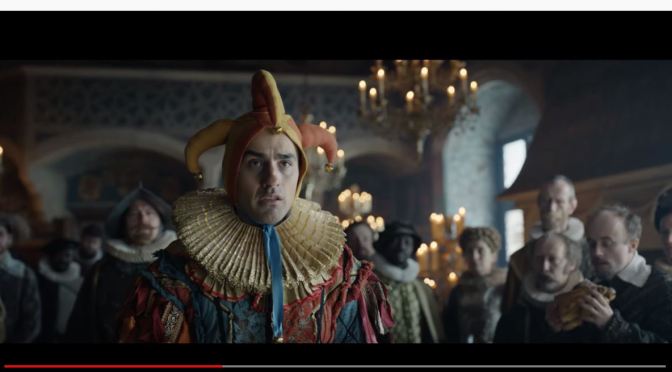
What did we do #BeforeAlexa? Watch now and vote for your favorite ad on Ad Meter!
Dozens of new electric-vehicle models are expected to arrive at dealerships in the next few years. We followed eight Wall Street Journal reporters in four countries to see if they, and the world, are ready to make the switch.
Healthy, delicious, always in season- it may seem like Avocados From Mexico have it all. But they don’t have a luxury yurt. Or a Tortilla Chip Floatie. Luckily, Molly Ringwald and the Avocados From Mexico Shopping Network has everything you need to give your avocado everything it deserves.
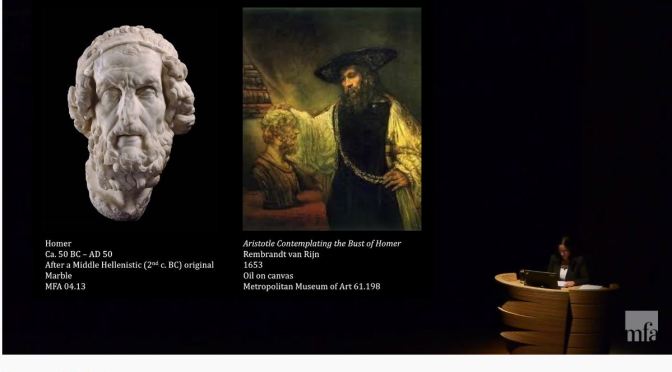
The bard and the visual artists he inspired.
Phoebe C. Segal, Mary Bryce Comstock Curator of Greek and Roman Art
Homer is the legendary author of the Iliad and the Odyssey, two epic poems that are the central works of ancient Greek literature. The Iliad is set during the Trojan War, the ten-year siege of the city of Troy by a coalition of Greek kingdoms. It focuses on a quarrel between King Agamemnon and the warrior Achilles lasting a few weeks during the last year of the war. The Odyssey focuses on the ten-year journey home of Odysseus, king of Ithaca, after the fall of Troy. Many accounts of Homer’s life circulated in classical antiquity, the most widespread being that he was a blind bard from Ionia, a region of central coastal Anatolia in present-day Turkey. Modern scholars consider these accounts legendary.
From Wikipedia
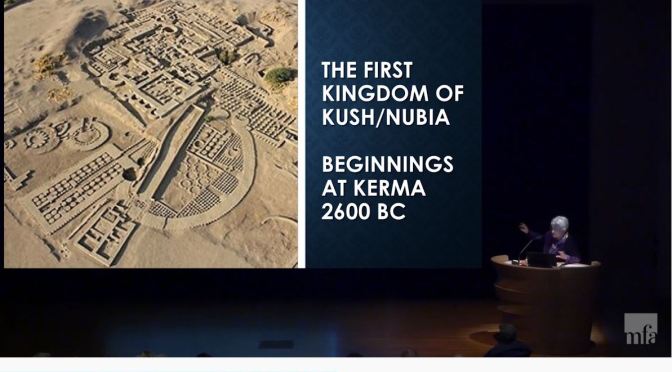
Take a close look at the tombs of the Napatan kings who conquered and ruled Egypt from the late 8th century to 666 BCE, using objects that the MFA excavated from 1913 to 1932 with archeologist George Reisner.
 Napatan kings later held sway over the kingdom of Kush in the northern Sudan, and built pyramids for themselves and their wives in cemeteries at Kurru and Napata. Studying these lavishly decorated pyramids, and the mortuary rites that took place in the attached chapels, makes clear some of the differences between ancient Egyptian and Napatan beliefs and priorities.
Susan K. Doll, Nubian scholar
Wednesday, October 30, 2019
Did you know the food choices you make every day could help you feel younger? Try these 8 diet tips for feeling your best at any age.
Get more healthy living tips from the Mayo Clinic App: http://mayocl.in/2tbMb57




 Boomers Daily