
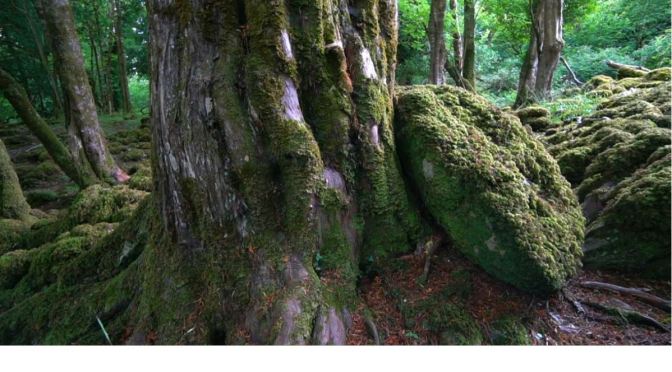
For the ancient Greeks the tree of witchcraft and death, for the Celts the tree of immortality and transcendence of time, for Nordic people the world tree Yggdrasil: – immense, evergreen, connecting their 9 worlds of existence. God Odin hung himself from a Yew tree for 9 nights in search of wisdom. During this time he traveled through the 9 worlds to learn the secrets of life and death… Interestingly, the Yew emits a vapour which can potentially cause hallucinations if inhaled for a long time. Needles, seeds, bark and wood are highly poisonous, the red flesh of its fruits is the only non-toxic part of the tree, it is edible, nutritious and sweet.
Yggdrasil is an immense mythical tree that plays a central role in Norse cosmology, where it connects the Nine Worlds. Yggdrasil is attested in the Poetic Edda, compiled in the 13th century from earlier traditional sources, and the Prose Edda, written in the 13th century by Snorri Sturluson.
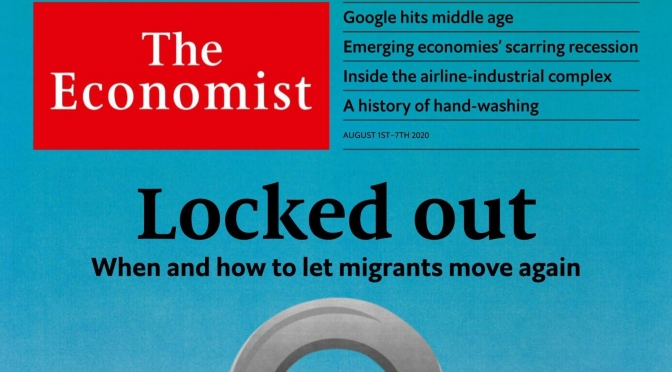
 A selection of three essential articles read aloud from the latest issue of The Economist. This week,
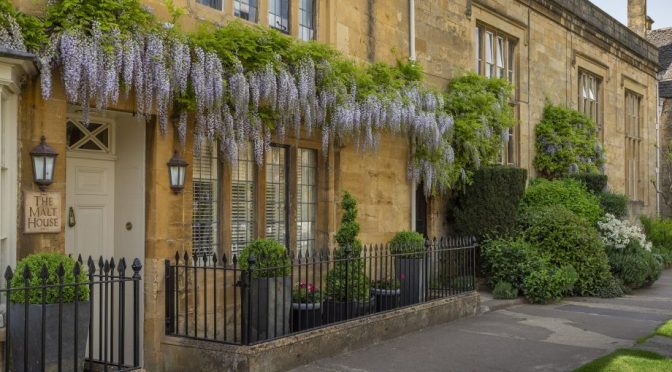
 Chipping Campden is a town charmed by limestone. Its walls dance by the light of the dying day… Chipping Campden’s High Street is best viewed from the covered market of 1627, looking up towards the church tower. The houses are of a creamy local limestone. Walls are offset by grey-brown roof tiles and white woodwork, fronted by foxgloves, hydrangeas and a skirt of lawn.’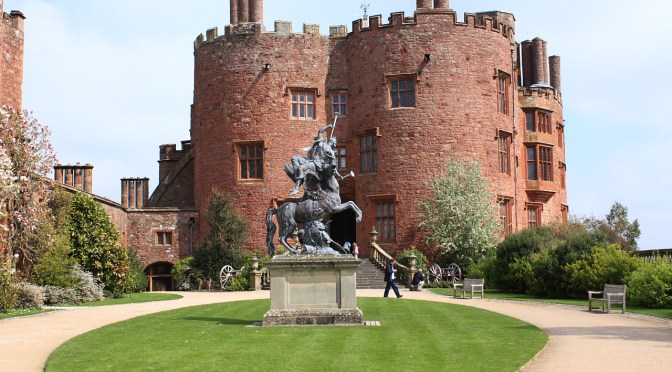


 Sotheby’s upcoming cross-category Evening Auction ‘Rembrandt to Richter’ (28 July | London), features many of the key British avant-garde movers and shakers of their day.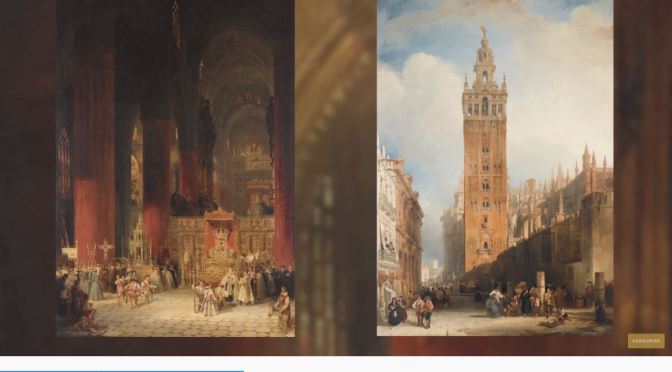
 Boomers Daily