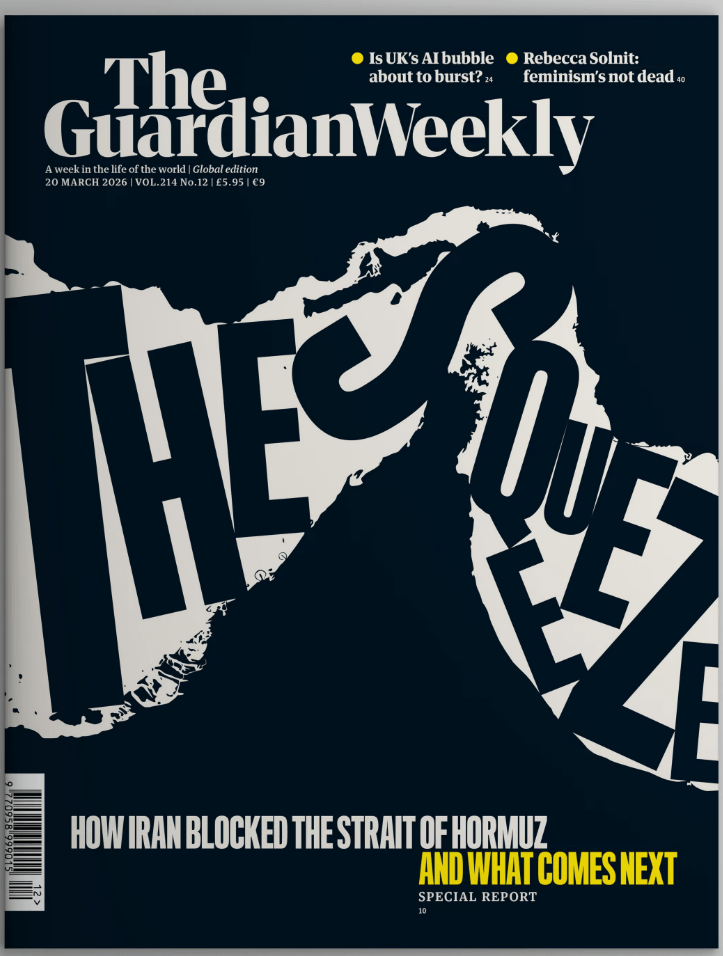
As fighting in the Middle East entered its third week, focus has shifted to Tehran’s closure of a key maritime passage, and the potentially huge global economic impact.
For our big story this week, Jillian Ambrose explains how the war in Iran has effectively blocked the Gulf states from exporting a fifth of the world’s oil supply through the strait of Hormuz. Peter Beaumont sets out the significance of the route and the possible options to counter the blockade, while Hannah Ellis-Petersen reports on the building anger and resentment in the region over being dragged into a war they did not start and had diplomatically tried to prevent.
Peter also looks at “the escalation trap” that lies ahead for both sides in the conflict, and we have on-the-ground reports from Jason Burke in northern Israel and William Christou in southern Lebanon, as well as a stark account of day-to-day life from inside Tehran.
Spotlight | ‘Extraordinary cruelty’ Kaamil Ahmed and Alex Clark examine the evidence that starvation is being used as a weapon of war in Sudan
Technology | Star fruit As Apple reaches its half-century, Chris Stokel-Walker rounds up its biggest triumphs and flops
Feature | Feminism’s not dead! In a stirring riposte to all those who have declared the death of the women’s movement, Rebecca Solnit outlines the advances that have been made and argues it’s no time to give up the fight
Opinion | The British right’s Maga obsession UK conservatives were once hostile to the US, but now are keen to emphasise loyalty to Trump above all else, writesKojo Koram
Culture | One win after another After 11 nominations without a single win, film-maker Paul Thomas Anderson deservedly struck gold at the Oscars with One Battle After Another, says Xan Brooks
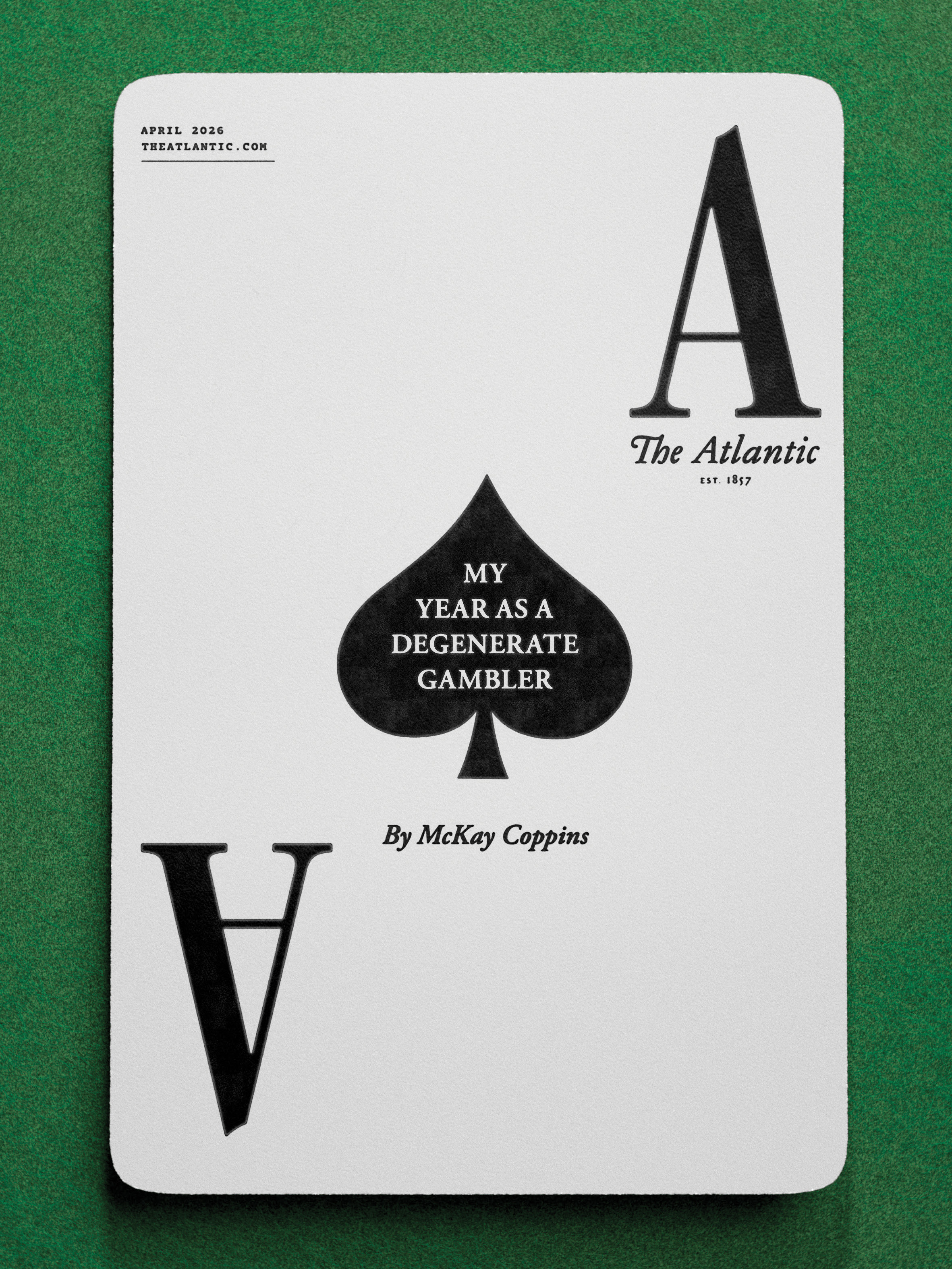
On a Thursday evening in September, I excused myself from the family dinner table and slipped into my bedroom. I didn’t want my kids to see what I was about to do.
With the door locked behind me, I pulled out my phone and downloaded the DraftKings betting app. I felt a certain thrill as I typed in my debit-card information and deposited $500. The first game of the NFL season was a few minutes away. Anything seemed possible. …By McKay Coppins
The odds of being struck by lightning in America in a given year are one in 1.2 million. How does the experience reorient a person’s sense of chance, of fate? By Jacob Stern
Even with Kristi Noem gone, the Administration’s immigration agenda shows no signs of flagging—in fact, it is leading toward a new humanitarian and legal crisis. By Jonathan Blitzer
What’s Behind Trump’s New World Disorder?
A foreign policy freed of liberal pretenses and imperial ambitions could lead to restraint—or, as the Iran attack shows, simply license hit-and-run belligerence. By Daniel Immerwahr
Who Bankrolled the American Revolution?
Our history too often sidesteps the question of finances. But sonorous ideals don’t keep an army supplied with uniforms, guns, and grub. By Adam Gopnik
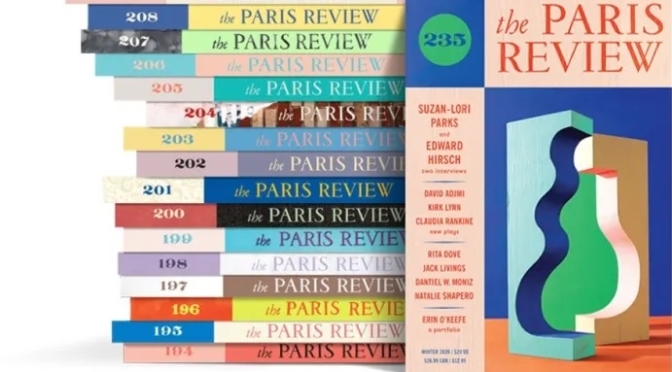
Sarah Schulman on the Art of Nonfiction: “I like to have my say, obviously. And if people would have just let me talk, some of these books wouldn’t have had to be written.”
Darryl Pinckney on the Art of Nonfiction: “There are moments when you run up against a white wall—there’s a white man, white man, white man, white man—and the story somehow has to be uncovered.”
Prose by Ingeborg Bachmann, Dan Bevacqua, Patrick Cottrell, Zans Brady Krohn, Tao Lin, David Szalay, and Yu Hua.
Poetry by Inger Christensen, Rachel Lapides, Enrique Lihn, Joyelle McSweeney, Nakahara Chuya, and Asiya Wadud.
Art by Cecily Brown, Tom Fairs, and Cauleen Smith; cover by Cecily Brown.
THE NEW YORK TIMES MAGAZINE: The 3.15.26 Issue features Yudhijit Bhattacharjee on the quest to save Bili the baby gorilla; Daphne Merkin on the psychoanalyst Stephen Grosz; Elisabeth Zerofsky on the key to Europe’s defense; and more.
Social media is fueling a black market for infant primates like Bili, who was captured in the wild and trafficked. By Yudhijit BhattacharjeeCreditIllustration by Clément Thoby
In Nigeria, customs officers and conservationists are confronting the grim impacts of the $20 billion trade. By Arlette Bashizi and Yudhijit Bhattacharjee
X’s Chatbot Started Undressing Women. Was This What A.I. Wanted All Along?
Grok Imagine’s “nudify” scandal reveals something about the dream of manhandling photos.
Venezuela gave Trump a taste of success. This isn’t the first time an American president has gotten hooked on overthrowing foreign governments. By Scott Anderson
News, Views and Reviews For The Intellectually Curious












 Boomers Daily