
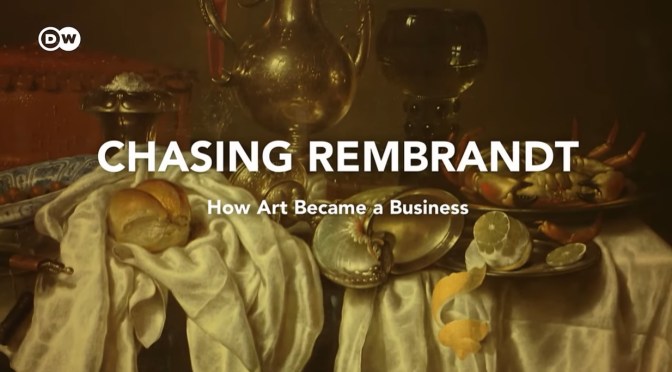

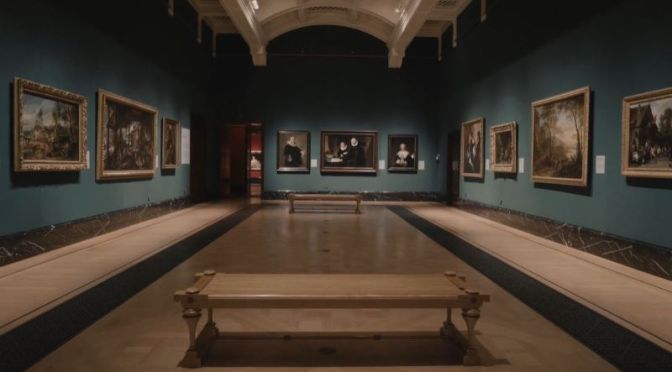
DW Documentary (November 15, 2024): The 17th century was the zenith of painting, in the Netherlands. In no other era were artists so productive. Never before had so many painters tried to make a living from their art. Demand was huge.
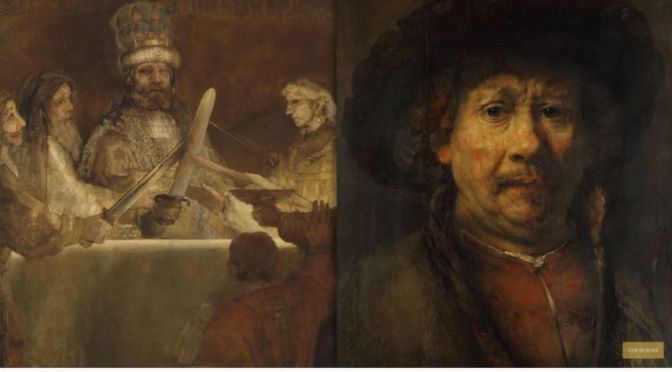
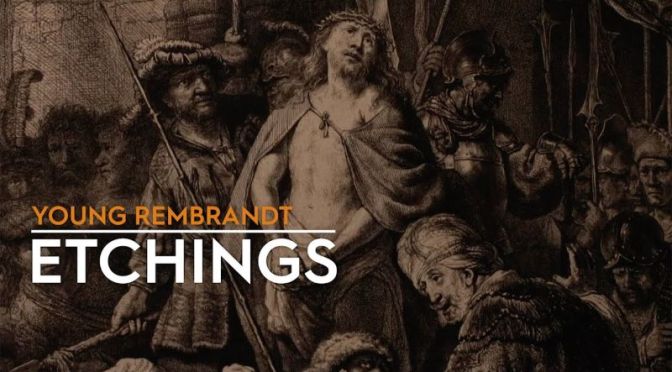
People from all walks of life began to enthusiastically collect paintings. New genres were born. And both the art market and the profession of art dealer emerged. Exceptional artists such as Rembrandt van Rijn, Jan Vermeer and Frans Hals created masterpieces that still inspire us today.
One reason for the cultural heyday and its glut of paintings was an enormous surplus of capital, generated by speculative money transactions and trade, which was also based on the exploitation of the colonies and the ideal conditions that shipping found in the Netherlands. The film traces a period in which art, too, became an economic factor. In a way, the 17th century can be seen as the origin of our current art system.
After all, this was when auction houses were first established, leading to emergence of professional art dealers and wealthy collectors. Art was democratized. This documentary film explores an era when business and art entered into a marriage for the first time. How did such an artistic flourishing come about? What art-historical innovations do we owe to this period? And what significance does it have for our view of art and our approach to art today?






 Boomers Daily