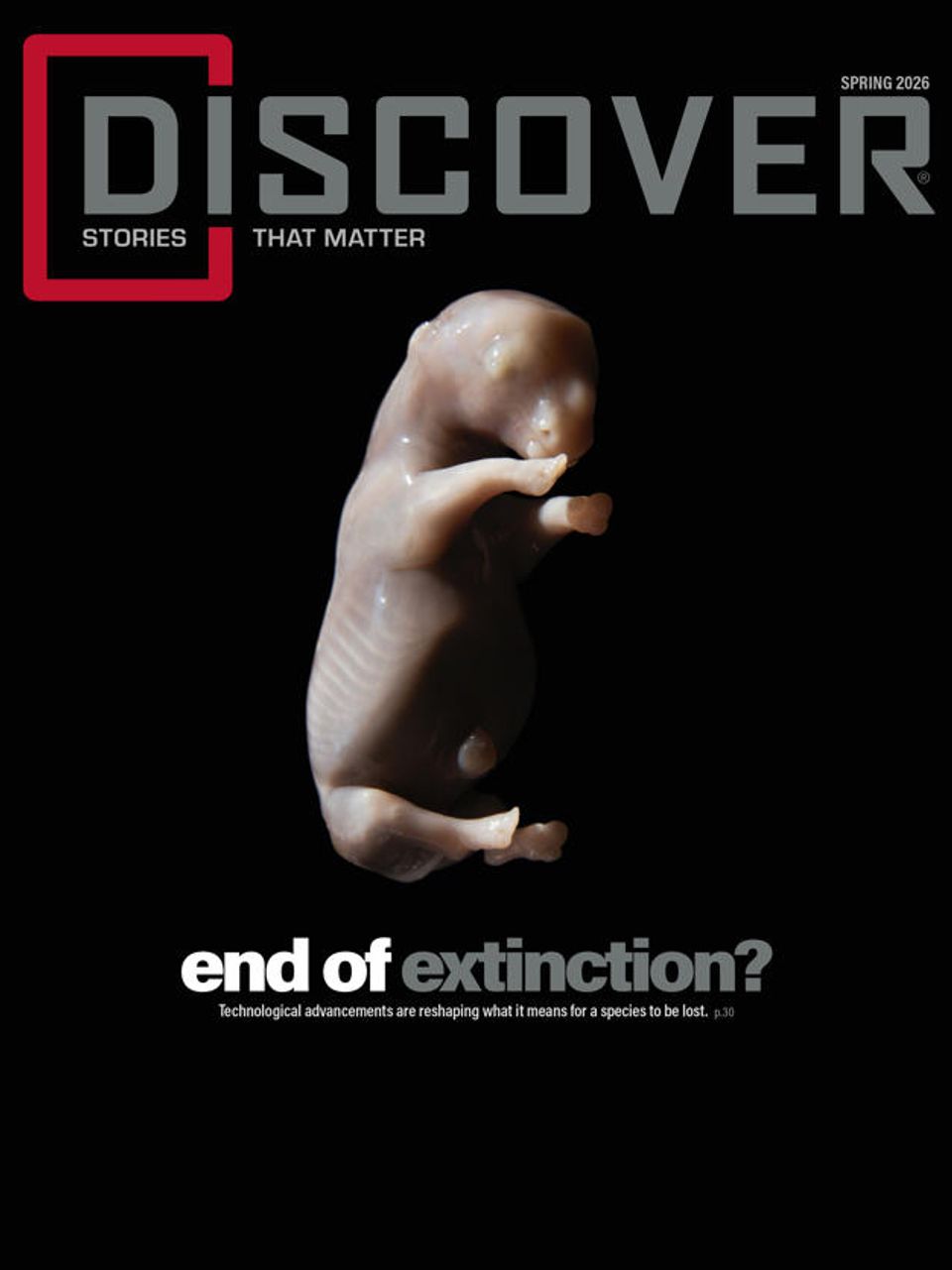
This feature dives into the ethics and technology behind “resurrection biology.” It tracks the progress of teams working on the Woolly Mammoth and the Thylacine (Tasmanian Tiger). Rather than just “cloning,” the article explains how researchers are using CRISPR to edit the genomes of living relatives to recreate extinct traits, questioning whether these hybrids truly represent the lost species or are simply “proxies” for a vanished world.
2. Ancient DNA and the Human Speed-Up
Drawing from a groundbreaking study, this piece explores how human evolution didn’t slow down after the dawn of agriculture—it accelerated. By analyzing 2,000-year-old genetic samples, researchers found that the transition to farming and dense city living forced our immune systems and metabolisms to evolve faster in a few millennia than they had in the previous 50,000 years.
3. The “Headless Wonder”: The Death of Comet MAPS
A standout in the space section, this article chronicles the dramatic disintegration of Comet C/2026 A1 (MAPS). Discovered only in early 2026, the comet skimmed the sun on April 4th and lost its nucleus entirely. Astronomers explain the “headless wonder” phenomenon—where a comet’s tail continues to drift through space without its head—and what its fragile structure reveals about the early solar system.
4. Starquakes: The Archaeology of Red Giants
Using data from “stellar archaeology,” this article describes how vibrations inside stars—known as starquakes—are allowing scientists to see hidden magnetic fields. By linking the magnetism of modern white dwarfs to their earlier lives as red giants, researchers have created a “fossil record” of a star’s evolution, offering a preview of what might happen to our own Sun in several billion years.
5. Artemis II: The Far Side and Beyond
Following the safe return of the Artemis II crew, this long-form report provides the first detailed look at the data gathered during their moon flyby. It highlights the crew’s record-breaking distance from Earth and their observations of the “Grand Canyon of the Moon”—the South Pole-Aitken basin. The article shifts focus to the upcoming Artemis III mission, discussing the challenges of establishing a long-term lunar base.
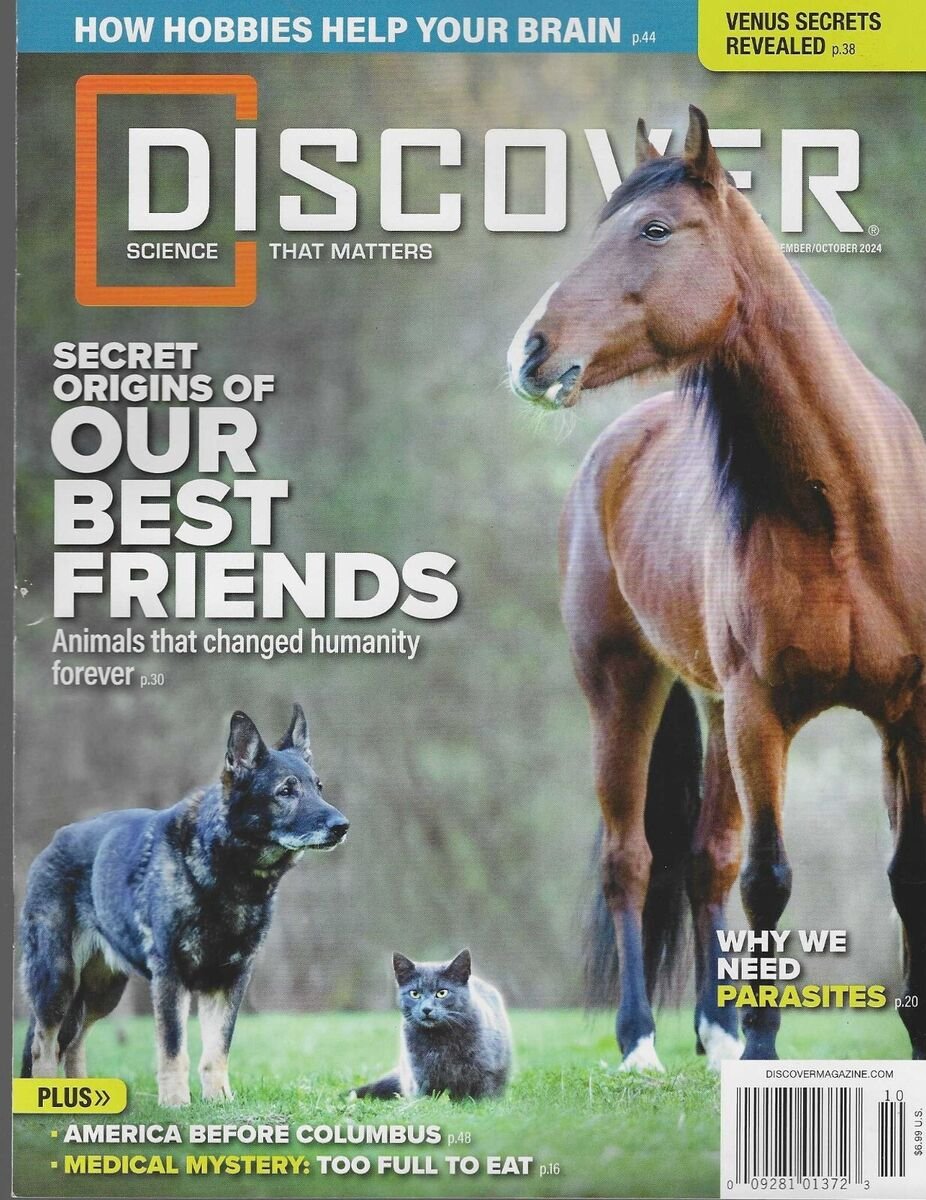
Climate change is putting parasites — the unseen pests running our planet — in peril, but a small band of scientists is fighting to save them from extinction. By Kate Golembiewski
What Goes On Inside the Mind of a Dog?
Help researchers understand the underpinnings of dog personality and behavior with these Citizen Science projects.
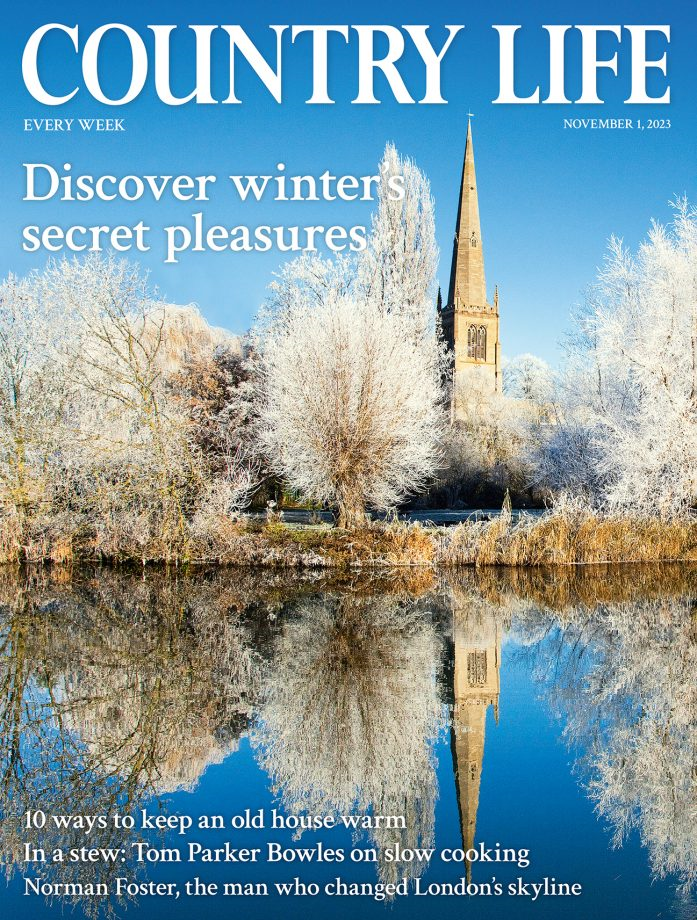
Country Life Magazine – November 1, 2023: The new issue features the rural delights of Durslade Farm to the heart of Mayfair; The secret garden in Regent’s Park in London; Norman Foster, the architect who helped shape the capital; the historic American bars that offer a taste of the US on this side of the pond, and more…
London Life
Emma Love welcomes the rural delights of Durslade Farm to the heart of Mayfair
The secret garden in Regent’s Park, seasonal suggestions and Matthew Williamson’s London
Carla Passino meets Norman Foster, the architect who helped shape the capital
Robert Crossan visits the historic American bars that offer a taste of the US on this side of the pond
Nick Trend’s favourite painting
The art historian picks a steely-eyed painting that signalled the invention of the self-portrait
At Canaan’s Edge
Carla Carlisle ponders the story of the Promised Land and hopes that common sense prevails
A local revival
The future is bright for Lytham Hall after locals stepped in to save the house at the heart of the Lancashire estate, as John Martin Robinson discovers
A nightingale sang…
Tiffany Daneff visits a garden in Kent planted for wildlife and surrounded by new woodland
Native breeds
Kate Green admires the hardy Lincoln Red, a low-input rare breed that produces quality beef
Stranger things
From horn dancing to burning barrels and cheese rolling, Harry Pearson delves into weird and wonderful British folk festivals
You’re a dark horse
The black horse is a symbol of strength and courage. Celia Brayfield gallops through the history of the fabled steed
Kitchen garden cook
Melanie Johnson savours the turnip’s sweet and nutty flavour, perfect with scallops
Travel
Jo Rodgers follows in the foot-steps of the Durrells in Corfu
Welcoming, home-from-home villas
Pamela Goodman pedals off the beaten cycle path
Speak like a Georgian
Know your ‘fubbs’ from your ‘fizzle’ — Matthew Dennison investigates 18th-century slang
Country Life Magazine – October25, 2023: The new issue features Native Breeds – celebrating the noble Shire horse; Taken by storm – artists from Rembrandt to J.M.W. Turner in the eye of the storm; Lighting-up time – Magical autumn colours make Leonardslee Gardens in West Sussex….
Native breeds
‘England’s past has been borne on his back’: Kate Green cele-brates the noble Shire horse, a gentle and patient servant
Taken by storm
Michael Prodger examines the artist in the eye of the storm, from a gale-tossed Rembrandt to a J. M. W. stomach-Turner
And still, as he lived, he wondered
More than a century after The Wind in the Willows was written, the exploits of Ratty, Mole and Toad continue to entertain, as Matthew Dennison discovers
In for a penny-farthing
Riding a Victorian high wheeler for 400 miles across war-torn Ukraine was a real eye-opener for adventurer Neil Laughton
Interiors
Kitchens can be so much more than mere functional spaces, as three leading interior designers reveal to Arabella Youens
Lighting-up time
Magical autumn colours make Leonardslee Gardens in West Sussex a place for all seasons, suggests Charles Quest-Riston
Jamie Hambro’s favourite painting
The Guide Dogs for the Blind chairman selects his favourite characterful animal painting
Medieval modernism
Mary Miers finds that the spirit of the Arts-and-Crafts Movement is alive and well as she visits Ballone Castle, a remarkable Scottish tower-house restoration
The whorled wide web
Simon Lester endeavours to untangle the natural wonder that is the spiderweb—gossamer thin, but stronger than steel
Scaling heart-attack hill
John Lewis-Stempel conquers the timeless Sussex Downs, before an October storm forces him to beat a hasty retreat
Luxury
Hetty Lintell explores bespoke eyewear, Penhaligon’s potions and remedies, and the life and legacy of Coco Chanel, Prof Tim Spector shares his favourite things, plus beautiful and practical navigation watches
Kitchen garden cook
Melanie Johnson welcomes pumpkins to her autumn kitchen
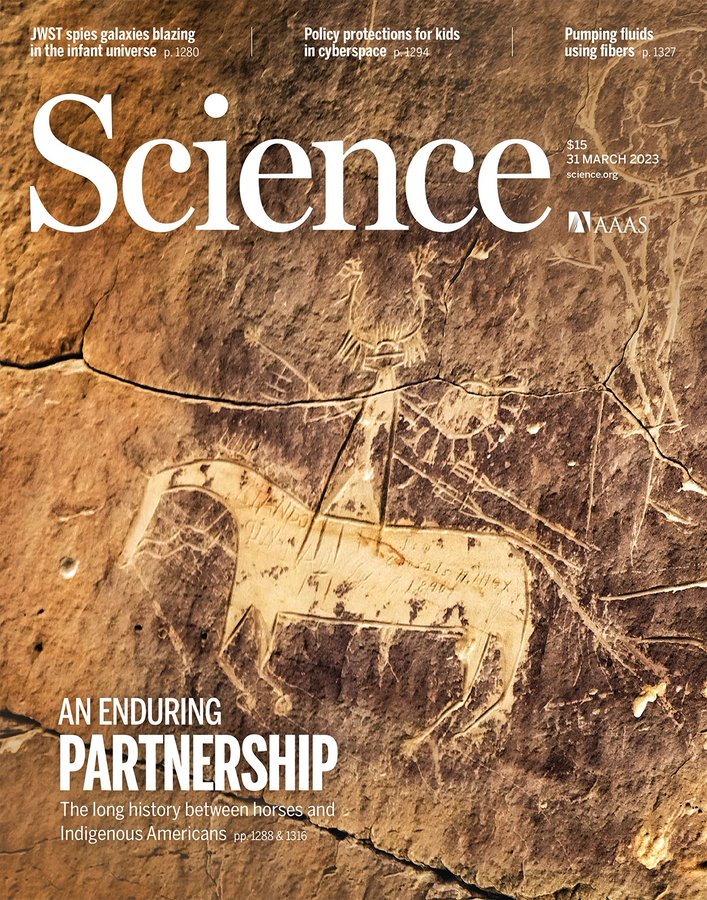
Science Magazine – March 31, 2023 issue: A new analysis shows that Great Plains tribes acquired horses much earlier than some historians had thought, consistent with Indigenous descriptions of a long and enduring partnership with the horse. This petroglyph, from the Tolar site in southern Wyoming, probably dates from soon after the modern horse became widespread in North America in the early 17th century.
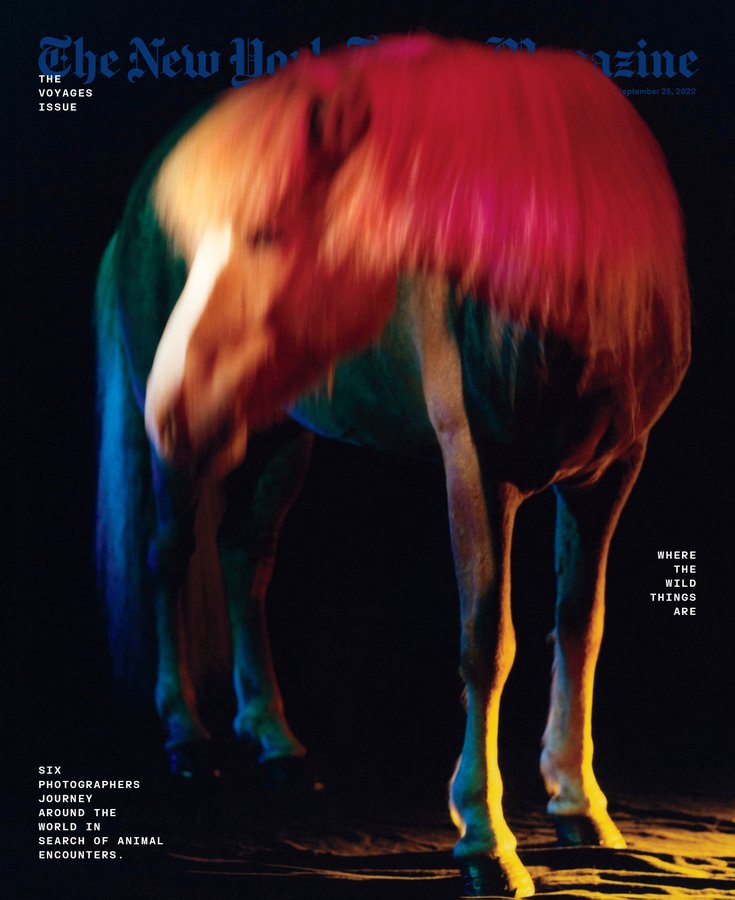
Horses that resemble My Little Ponies (but on Mars). Caimans that eat pythons. Monkeys that live alongside these caimans. High-fiving raccoons. Searching for a snow leopard. Six photographers. Six stories of animal encounters.
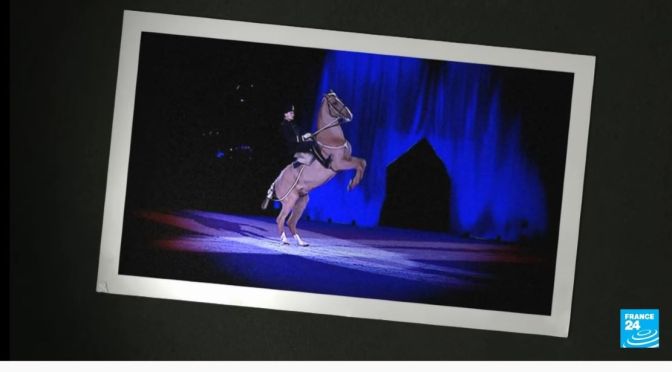
In the town of Saumur in France’s Loire Valley, the riders of the Cadre Noir represent excellence in the world of French equestrianism. The military-style academy trains elite riders who take part in top international competitions. Its expertise has been recognised by UNESCO, which listed it as Intangible Cultural Heritage in 2011. FRANCE 24 takes you behind the scenes of the stables.
The Cadre Noir is a corps of ecuyers, or instructors, at the French military riding academy École Nationale d’Équitation at Saumur in western France, founded in 1828. It also performs as an equestrian display team. Its name comes from the black uniforms that are still in use today.
Each year in the wide open spaces of Mongolia, the Mongol Derby takes place, extending over 650 miles, is known to be the world’s longest and most difficult horse race, lasting two weeks. The course shifts slightly each year but is a recreation of the horse messenger system created hundreds of years ago by Genghis Khan.
News, Views and Reviews For The Intellectually Curious















 Boomers Daily