
Tag Archives: Pandemics

Top New Science Podcasts: Inequality In Pandemics, Hawaii’s Mauna Kea Volcano Earthquakes

science-magazine-podcastsContributing Correspondent Lizzie Wade talks with host Sarah Crespi about the role of inequality in past pandemics. Evidence from medical records and cemeteries suggests diseases like the 1918 flu, smallpox, and even the Black Death weren’t indiscriminately killing people—instead these infections caused more deaths in those with less money or status. 

Also this week, Aaron Wech, a research geophysicist for the U.S. Geological Survey at the Alaska Volcano Observatory, joins Sarah to talk about recordings of more than 1 million earthquakes from deep under Hawaii’s Mauna Kea volcano, which hasn’t erupted in 4500 years. They discuss how these earthquakes, which have repeated every 7 to 12 minutes for at least 20 years, went undetected for so long.
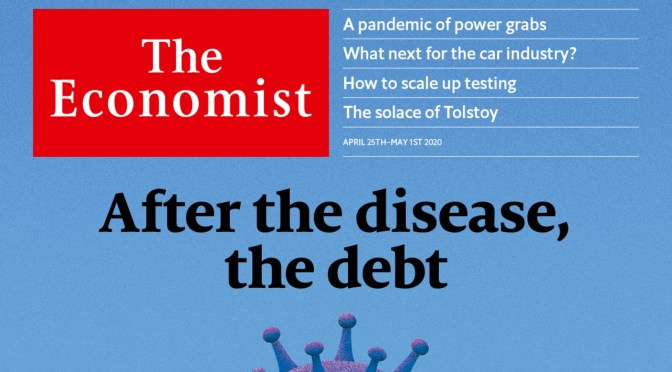

Global News: Covid-19’s Legacy, Power Grabs And Netflix (The Economist)

The Economist Editors Picks Podcast logoA selection of three essential articles read aloud from the latest issue of The Economist. This week, how will governments cope with the expensive legacy of covid-19? (11:05), unscrupulous autocrats in the pandemic of power grabs (17:52), and, why Netflix’s success will continue. Zanny Minton Beddoes hosts.

Health: “Patient One – Saving America’s First Known Coronavirus Patient” (Frontline)

The inside story of how the first confirmed COVID-19 patient in the U.S. was identified and treated in Washington State.

Frontline Coronavirus Pandemic PBSWhen a man returning from Wuhan, China in January 2020 exhibited symptoms of the novel coronavirus, public health officials in the Seattle area were already on alert.
“We had a game plan in place already,” says Dr. George Diaz, who treated patient one when he was admitted to Providence Regional Medical Center in Everett. Yet in spite of the state’s preparedness, it would soon become clear that the virus’s spread was already ahead of efforts to contain it.

“Patient One: Saving America’s First Known Coronavirus Patient” was drawn from FRONTLINE’s reporting for “Coronavirus Pandemic” – veteran science reporter Miles O’Brien and his team’s investigation of the U.S. response to COVID-19.

“Coronavirus Pandemic” premieres Tues., April 21. Stream it on the PBS Video App starting at 7/6c, or watch it on PBS or YouTube at 9/8c. Check local PBS listings.

More here: https://to.pbs.org/2ypGUOw


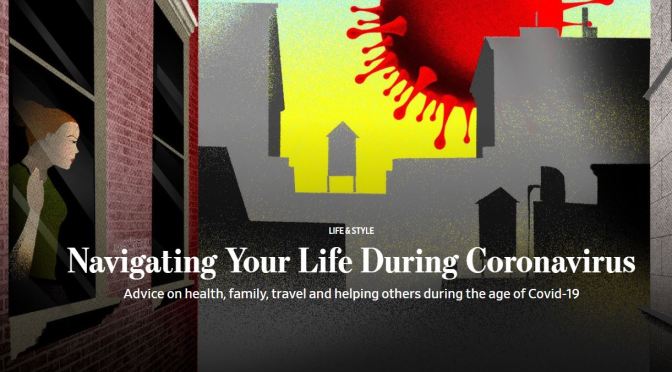
Health News: “Navigating The Coronavirus” – Wall Street Journal (April 17)

From the Wall Street Journal (April 17, 2020):

As the coronavirus pandemic upends work, travel and home life, the rules are shifting for what people can and can’t do in their daily lives. The WSJ is continuously updating advice and information on how to stay safe, healthy and connected, and how to help others.

WSJ Special Section 4.17.20 - Navigating the Coronavirus-

Aid to a Friend Caring for a Coronavirus Patient

“Because I am organized in my job and day-to-day life, I took on my husband’s care thinking I would have it all quickly in hand. But things didn’t turn out that way,” writes Leslie Yazel, whose husband came down with coronavirus-related pneumonia. Here, she offers what she learned about the best ways to help those who are caring for someone with coronavirus.

Get a Good Night’s Sleep

Read more

Travel & The Pandemic: “Lockdown // Edinburgh” In Scotland (April 2020)

Filmed and Directed by: Carsan Choong

The Covid-19 pandemic has affected many people’s lives all over the world. This short film is focusing solely on Edinburgh, showcasing the situation and how the daily lives in the city have been affected. Inclusion of some positivity and optimism too in this short film.

My own old stock footage as well as some aerial footage from third-party suppliers were used. New current footage were shot without flouting the lockdown rules, only done so in conjunction with essential travel.

Music: Nicholas Britell – End Credits Suite (Moonlight – OST)

Edinburgh is Scotland’s compact, hilly capital. It has a medieval Old Town and elegant Georgian New Town with gardens and neoclassical buildings. Looming over the city is Edinburgh Castle, home to Scotland’s crown jewels and the Stone of Destiny, used in the coronation of Scottish rulers. Arthur’s Seat is an imposing peak in Holyrood Park with sweeping views, and Calton Hill is topped with monuments and memorials.

Post-Pandemic: Reopening Companies Into The New Reality (The Economist)

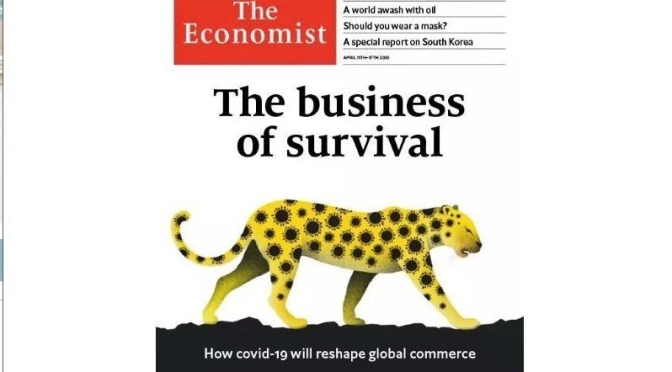
The Economist Editors Picks Podcast logoA selection of three essential articles read aloud from the latest issue of The Economist. This week, the business of survival—those companies that survive the coronavirus crisis will need to master a new environment. Plus, how to reopen factories after covid-19 (9:23) and Venezuela’s navy battles a cruise ship, and loses (17:41).

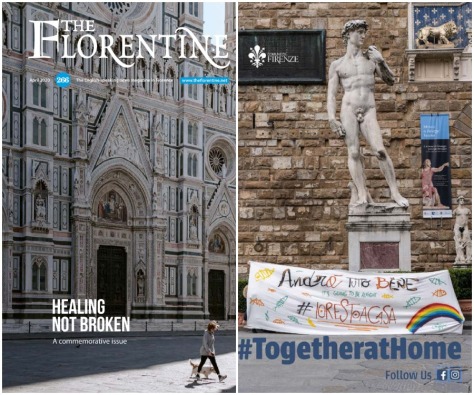
International Magazines: “The Florentine” – Italy April 2020 Issue Released


pjimage

The Florentine Healing Not Broken Issue April 2020-page-11

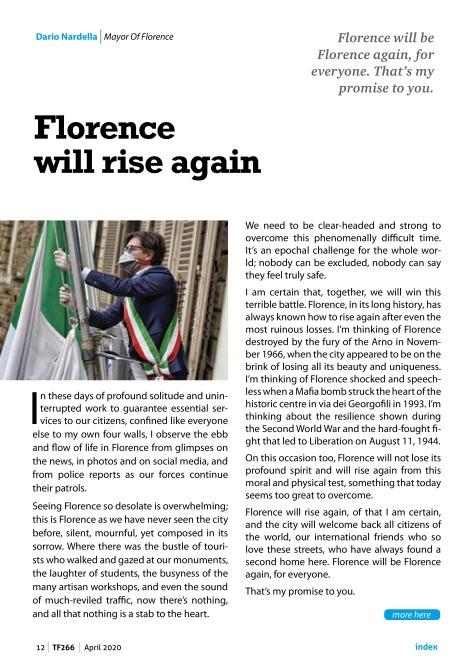
In this special Covid-19 edition of The Florentine, rejoice in a renewed humanism from Florence, of learning, words, thoughts and creativity, with articles, poems and short stories penned by the city’s international community, plus ideas and considerations for the future from Tuscany’s leaders and institutional figures, all interspersed with iconic photography of Florence at its most restful.

Read full issue

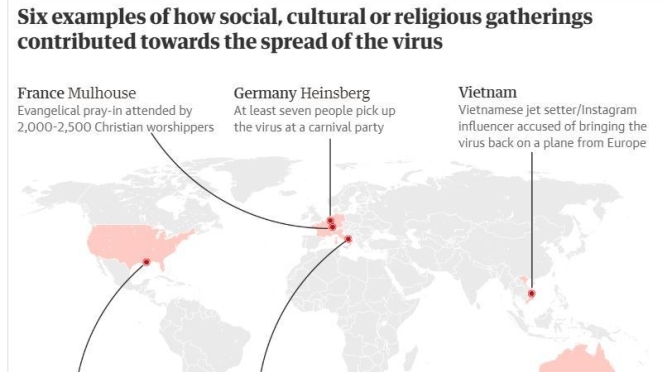
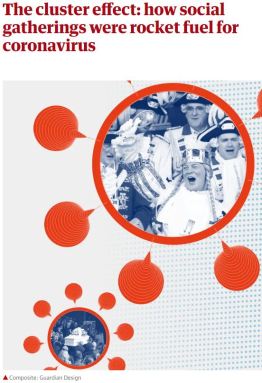
Coronavirus / Covid-19: How Social Gatherings Were “Rocket Fuel” For Spread Of The Pandemic

From a The Guardian article (April 9, 2020):

The Cluster Effect How Social Gatherings were Rocket Fuel for Coronavirus The Guardian April 9 2020A hundred days after a Chinese government website announced the discovery of a “pneumonia of unknown cause”, it has become clearer that the dynamics behind the virus’s rapid expansion across the globe has relied heavily on such “cluster effects”.
Each of the countries most heavily hit by the pandemic has reported similar stories of social, cultural or religious gatherings where large numbers spent numerous hours in close company – holding hands, kissing, sharing drinks from the same glass – which then turbo-charged the spread of the pandemic.

“Most infections didn’t take place in supermarkets or restaurants,” Streeck said of his preliminary findings. In Heinsberg, his team of coronavirus detectives could find scant evidence of the virus being transmitted via the surfaces of door handles, smart phones or other objects.

Read full article