

An energy crisis and geopolitics are creating a new-look Gulf
It will be richer, more powerful—and more volatile
Vladimir Putin vows to send more invaders. The West should arm Ukraine faster
It has a window of opportunity to push Russian forces back

It will be richer, more powerful—and more volatile
It has a window of opportunity to push Russian forces back

The World Archaeology October 2022 issue explores the secrets of Japan’s stone circles, the lost prehistoric cities of Bolivia, women’s everyday lives in the Ice Age, an idyllic alpine region that saw fierce fighting during the First World War, and much more.
The stone circles of Japan are enigmatic monuments. These structures were created by Jomon hunter-gatherers, mostly from roughly 2500-300 BC, and can be associated with burials, seasonal ceremonies, and solar alignments. Such preoccupations are far from being restricted to Jomon Japan, with study of these circles proving influential when it came to early 20th-century attempts to understand Stonehenge. In our cover feature, we take a detailed look at some of the Jomon stone circles, examining both the monuments themselves, and wider activity in the period.

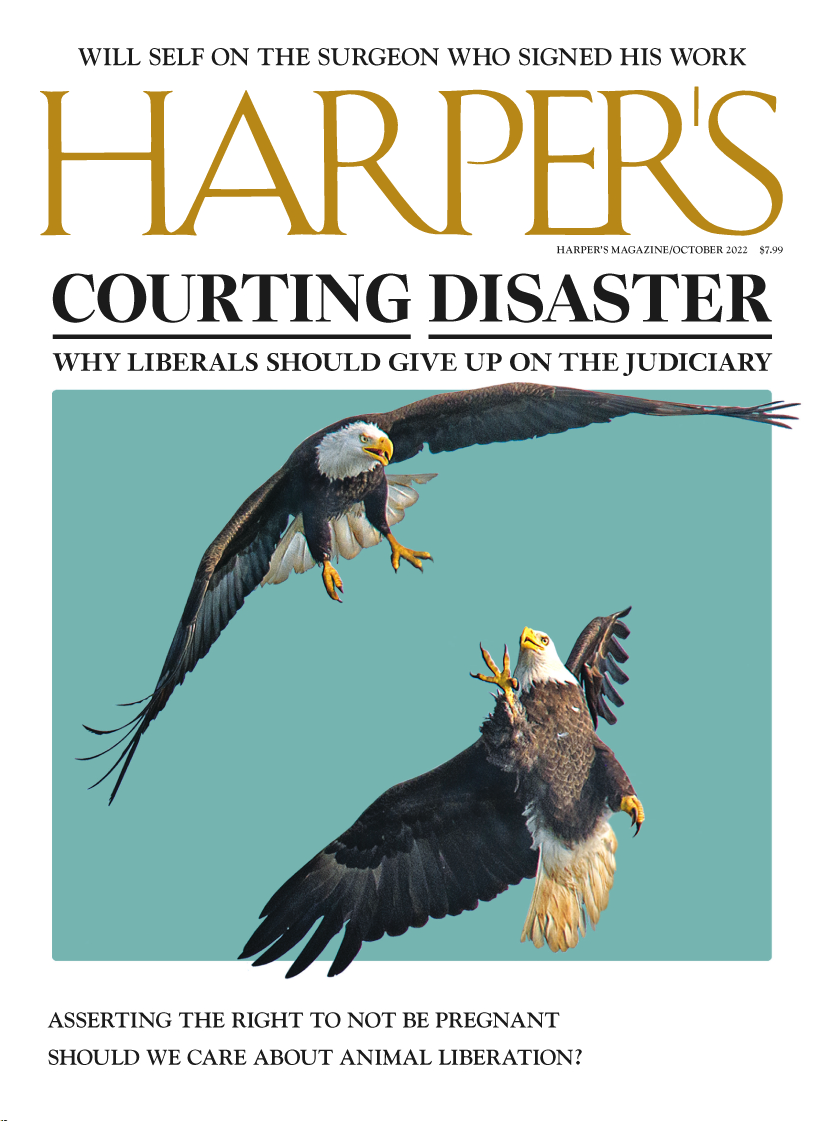
Ukraine defiant: George Packer, Anne Applebaum, and Franklin Foer on democracy’s front lines. Plus the myopia generation, the Benin bronzes’ contested return, Ian McEwan’s anti-memoir, cursive’s demise, redshirting boys, John Roberts v. the Voting Rights Act, the GOP’s extremist history, and more.
Six months into Ukraine’s defiant stand against Russia’s invasion, The Atlantic is publishing a special cover package devoted to life in the country and the state of the war, with new, on-the-ground reporting by staff writers George Packer, Anne Applebaum, and Franklin Foer. Packer, Applebaum, and Foer are three of the most influential and established voices on the perils of war, authoritarian threats to democracy, and Ukrainian and Russian politics.

Long live the Kings and Queens, says Carla Carlisle as she marvels at the balancing act of our enduring monarchy
Simon Thurley explains how Oxford was fortified during its brief spell as Charles I’s capital city during the Civil War
Tilly Ware lauds the dedicated restoration of the many buildings and features of a historic Cotswolds landscape garden
The artistic director of Sculpture in the City chooses a vivid and compelling British work

National forests are the perfect place to leaf peep—often away from the crowds. These are our top viewing spots and adventures in forests across the country.
Now is the time to wander among the world’s largest trees. Wildfires in central California for the past few years have decimated their numbers, so seeing these thousand-year-old natural wonders up close is, today more than ever, a privilege.
Avoid traffic jams and see America’s best idea by foot, bus, or bike

is curious, outgoing, affectionate, and highly responsive to human emotion. He’s also talkative: Say his name, he purrs. In this portrait, his forward-tilted ears show he’s alert and his narrowed pupils that he’s relaxed.
PHOTOGRAPH BY VINCENT LAGRANGE

The artist discusses Charlotte Gainsbourg, Uggs, and finding inspiration on Instagram.
By Louis Menand
I was born with melodies in my head, and I was looking for a way to hear them in the world.
By Bono
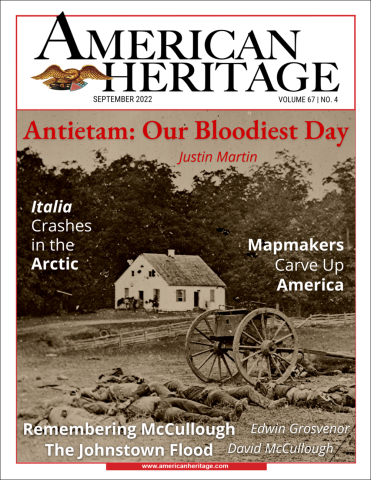
In September 1862 the South hoped to end the war by invading Maryland just before the mid-term elections. But its hopes were dashed after the bloodiest day in American history. By Justin Martin
In the hills above Johnstown, the old South Fork dam had failed. Down the Little Conemaugh came the torrent, sweeping away everything in its path. By David McCullough
He became the dean of American historians after learning his craft working for five years on the staff of American Heritage. By Edwin S. Grosvenor
By artfully illustrating the boundaries of colonial powers, mapmakers in the 1700s helped define what our New World would become. By Neal Asbury, Jean-Pierre Isbouts









 Boomers Daily