Monocle’s editor in chief, Tyler Brûlé, discusses the weekend’s top stories with his guests. Topics include how the coronavirus outbreak is being felt in Switzerland, the UK and Japan.
From Milan: Salone highlights, interviews and a daily running guide.
A selection of three essential articles read aloud from the latest issue of The Economist. This week, the dangerous gap between Wall Street and Main Street in America, (10:22) high-speed science—new research on the coronavirus is being released in a torrent. (21:00) And, casual sex is out, companionship is in.
A selection of three essential articles read aloud from the latest issue of The Economist. This week, a 90% economy—life after lockdowns will be hard in ways that are difficult to imagine today. Also, a bust-up in Brasilia (10:10), and solitude is both a blessing and a curse (17:25).
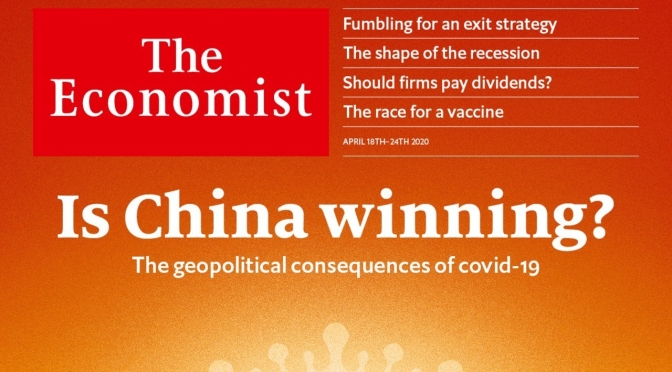
A selection of three essential articles read aloud from the latest issue of The Economist. This week, is China the pandemic’s big geopolitical winner? (8:30) Saudi Arabia has declared a ceasefire in Yemen, but the Houthis are fighting on. (14:13) And, how Britain’s glossy magazines are adjusting to a gloomy world.
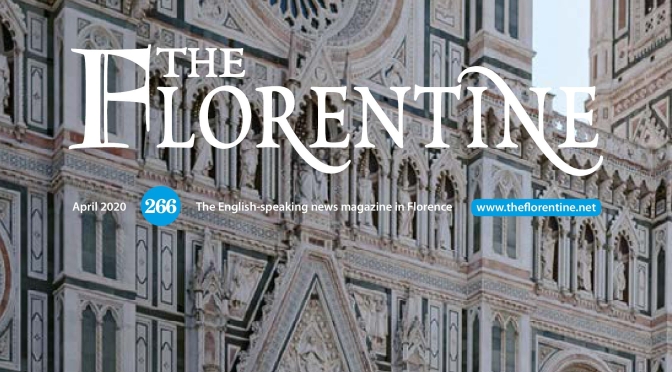
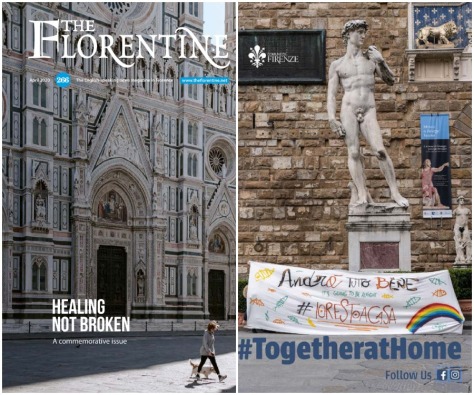
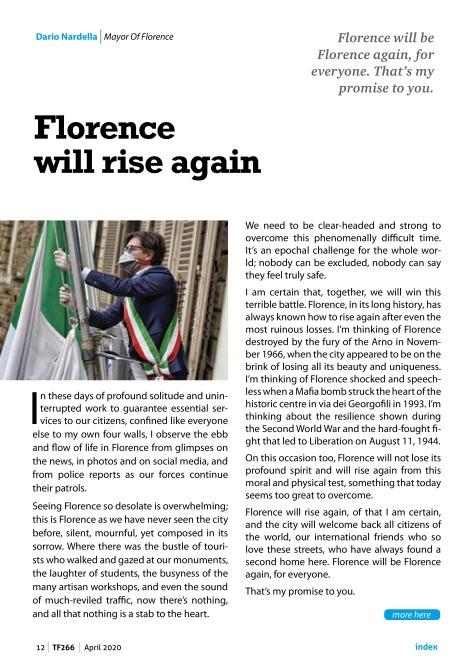
In this special Covid-19 edition of The Florentine, rejoice in a renewed humanism from Florence, of learning, words, thoughts and creativity, with articles, poems and short stories penned by the city’s international community, plus ideas and considerations for the future from Tuscany’s leaders and institutional figures, all interspersed with iconic photography of Florence at its most restful.
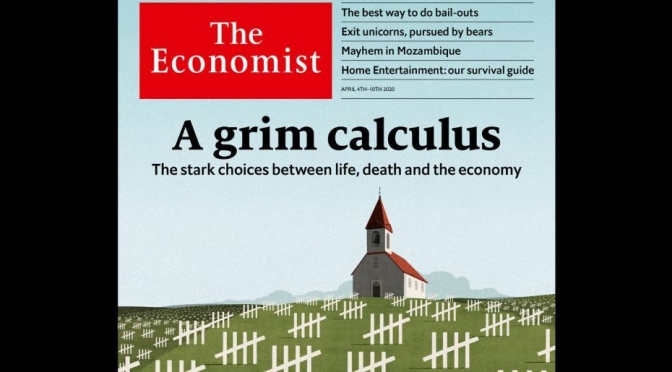
A selection of three essential articles read aloud from the latest issue of The Economist. This week, covid-19 presents grim choices between life, death and, ultimately, the economy (11:02), lockdowns in Asia have sparked a stampede home (17:52) And, Formula 1 comes up with a breathing machine for covid-19 patients.
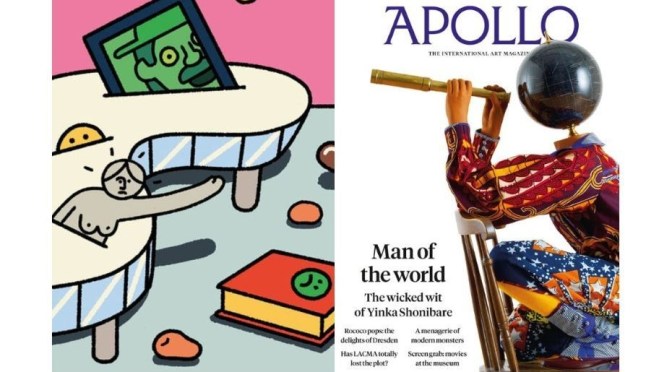
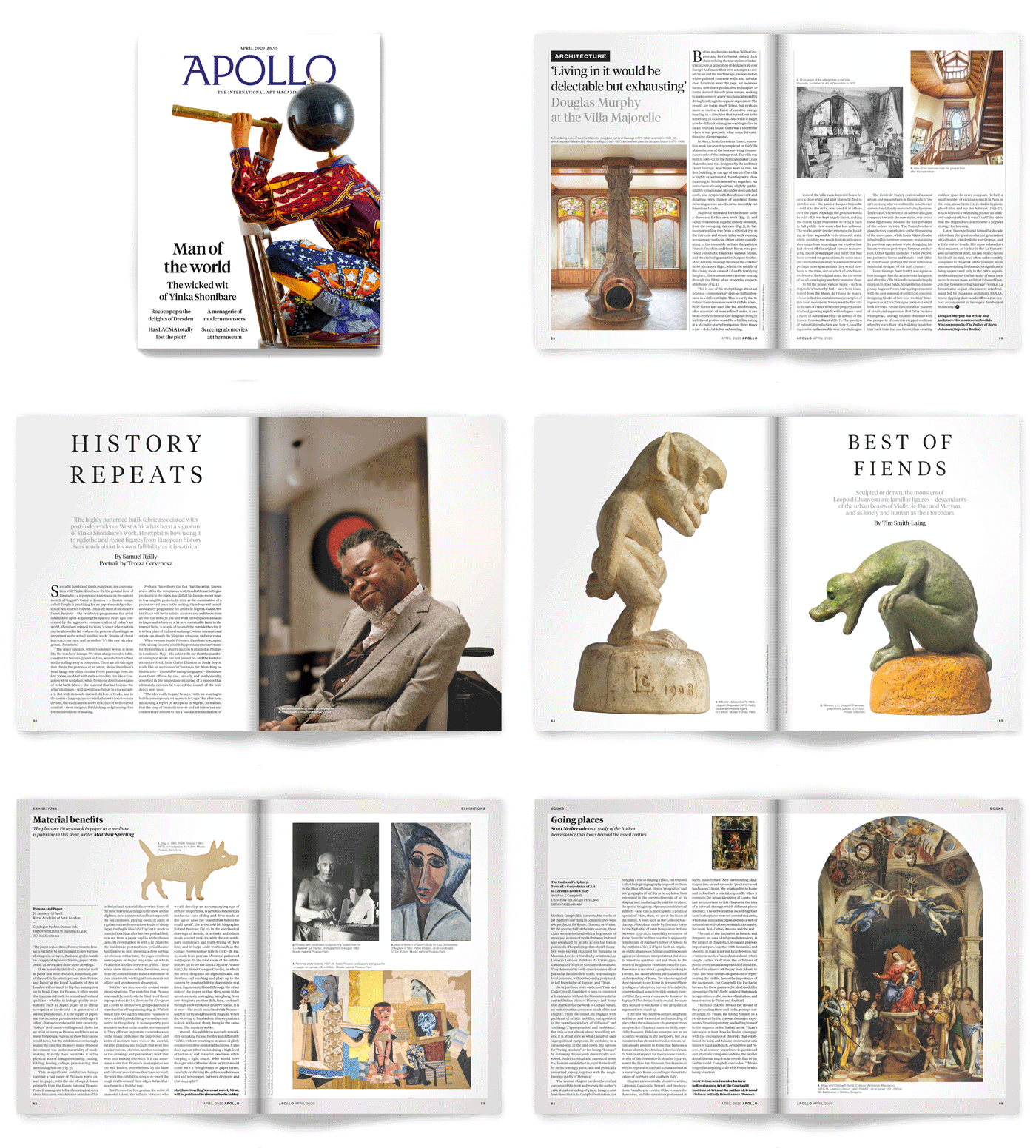
FEATURES | Michael Prodger visits the newly resplendent Gemäldegalerie Alte Meister in Dresden; Yinka Shonibare talks to Samuel Reilly; Seamus Perry considers the visual qualities of Wordsworth’s poems; Tim Smith-Laing on the modern monsters of Léopold Chauveau; Emilie Bickerton looks at how museums tackle the subject of cinema; Christopher Turner talks to Grażyna Kulczyk, founder of the Muzeum Susch
REVIEWS | Matthew Sperling on Picasso’s works on paper at the Royal Academy; Nicholas Hatfull on Edward Hopper at the Fondation Beyeler; Scott Nethersole on Renaissance art in the regions of Italy; Alan Powers on the life of Humphrey Stone; Max Norman on a new study of Poussin; Peter Parker on John Minton’s illustrations for Elizabeth David’s cookery books
MARKET | Tim Maxwell and Tamara Bell on cybersecurity; and the latest art market columns from Susan Moore and Emma Crichton-Miller
A selection of essential articles read aloud from the latest issue of The Economist. This week, the role of big government in the time of covid-19, (10:20) assessing the havoc the pandemic is causing in emerging countries, (17:45).
In just a few weeks a virus a ten-thousandth of a millimetre in diameter has transformed Western democracies. States have shut down businesses and sealed people indoors. They have promised trillions of dollars to keep the economy on life support. If South Korea and Singapore are a guide, medical and electronic privacy are about to be cast aside. It is the most dramatic extension of state power since the second world war.
Watch a Q&A with Steven Chu, who’s devoted a large part of his scientific career to searching for solutions to our climate challenges.
0.06 – What does sustainability mean to you?
0.34 – What are the present challenges in sustainability?
1.50 – How can we help every person see the importance of being sustainable?
3.24 – What can I do to be more sustainable in my everyday life?
5.22 – What’s the most sustainable form of energy in your opinion?
6.44 – How do you try to do research in the lab in a sustainable way?
8.34 – Where do you see our world’s climate status in 50 years?
10.19 – Do you feel hope in humanity when it comes to tackling climate change?
Steven Chu born February 28, 1948) is an American physicist and a former government official. He is known for his research at the University of California at Berkeley and his research at Bell Labs and Stanford University regarding the cooling and trapping of atoms with laser light, for which he won the Nobel Prize in Physics in 1997, along with his scientific colleagues Claude Cohen-Tannoudji and William Daniel Phillips.
Chu served as the 12th United States Secretary of Energy from 2009 to 2013. At the time of his appointment as Energy Secretary, Chu was a professor of physics and molecular and cellular biology at the University of California, Berkeley, and the director of the Lawrence Berkeley National Laboratory, where his research was concerned primarily with the study of biological systems at the single molecule level. Chu resigned as energy secretary on April 22, 2013. He returned to Stanford as Professor of Physics and Professor of Molecular & Cellular Physiology.
Chu is a vocal advocate for more research into renewable energy and nuclear power, arguing that a shift away from fossil fuels is essential to combating climate change. He has conceived of a global “glucose economy”, a form of a low-carbon economy, in which glucose from tropical plants is shipped around like oil is today. On February 22, 2019, Chu began a one-year term as president of the American Association for the Advancement of Science.
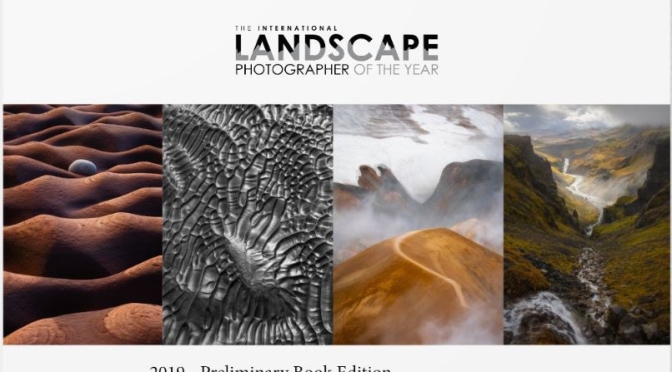
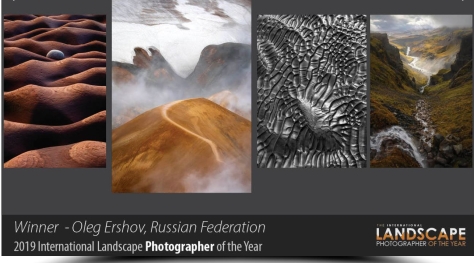
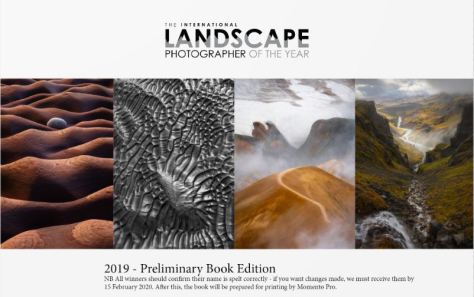
From website: Congratulations to Oleg Ershov, Russian Federation, the International Landscape Photographer of the Year 2019!
And to all the other winners and, most importantly, all the Top 101 photographers! It was a huge year and one of the toughest yet – the quality continues to get better and better!
The prize winners are:
Oleg Ershov, Russian Federation, the International Landscape Photographer of the Year 2019
光 杨 (Yang Guang), China, The International Landscape Photographer of the Year 2019 – Second Place
Blake Randall, Canada, The International Landscape Photographer of the Year 2019 – Third Place

 Monocle’s editor in chief, Tyler Brûlé, discusses the weekend’s top stories with his guests. Topics include how the coronavirus outbreak is being felt in Switzerland, the UK and Japan.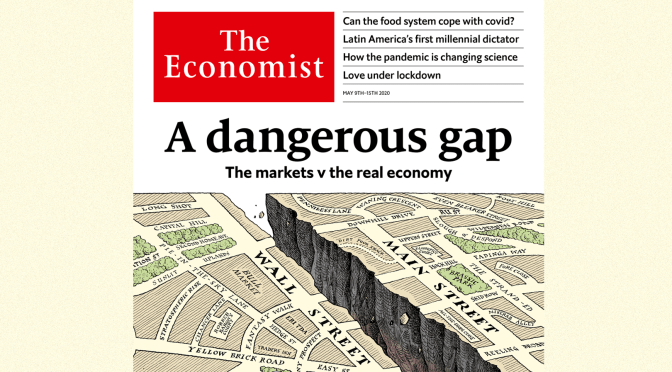
 A selection of three essential articles read aloud from the latest issue of The Economist. This week, the


 Boomers Daily