From a LitHub online article by Chip Walter, 69:
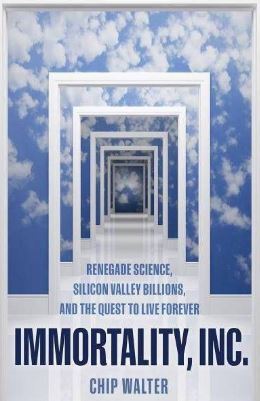 And what if older neurons were replaced wholesale with new stem cells? They might scramble different sectors of the brain by destroying the new connections between the originals. Fiddle with those, and who knew what mayhem might follow? Memories, learning, and other cerebral functions that the brain had grown accustomed to might simply vanish. On the other hand, in the case of a disease like Alzheimer’s, maybe new memories would be better than no memories at all.
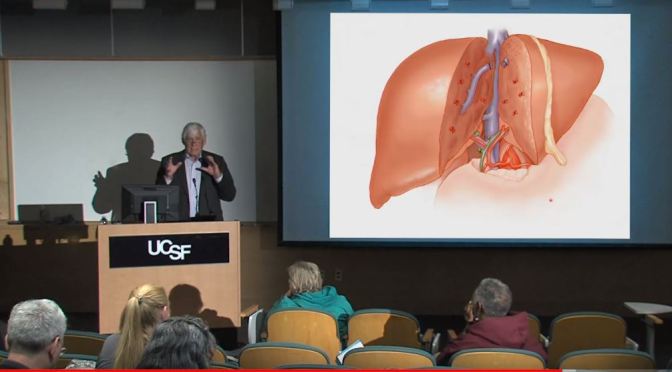
Robert Hariri’s views on human health began to take an unusual turn a little more than 25 years ago, when he was working as a neurosurgeon and trauma doctor at the New York Hospital-Cornell Medical Center. Day after day, he watched patients come into the emergency room with severe brain injuries, and it was a painful thing to witness.
He never forgot the case of a woman who had arrived after a senseless automobile accident. She was young, and the injury was bad. Every time he spoke with the family, the big questions they asked were: “How will she be? Will she come back? Could she be a mother to her children again?” It broke his heart.
Read more
William J. (Chip) Walter Jr. (born May 23, 1951) is an author, journalist, National Geographic Fellow, educator, filmmaker and former CNN bureau chief. He has written five mainstream science books between 1991 and 2019. Walter was one of the original employees at Cable News Network when it went on the air June 1, 1980 and later became its youngest bureau chief when he created CNN’s first Southeast Bureau in 1981 before heading up the network’s San Francisco Bureau in 1982. He has written and produced several PBS science documentaries, served as an adjunct professor at Carnegie Mellon University in three different departments, worked with UNICEF on the issue of childhood trauma, spoken at Harvard, Xerox PARC, Carnegie Mellon University and the Chautauqua Institution. One of his three original screenplays was produced and released under the title Sunset Grill in 1993 starring Peter Weller, Lori Singer and Stacy Keach. In 2015 his feature story for National Geographic Magazine explored the origins of human art and symbolic thinking.
From Wikipedia



 Steep incidence increases between 49 and 50 years of age are consistent with previously undetected colorectal cancers diagnosed via screening uptake at 50 years. These cancers are not reflected in observed rates of colorectal cancer in the SEER registries among individuals younger than 50 years. Hence, using observed incidence rates from 45 to 49 years of age alone to assess potential outcomes of earlier screening may underestimate cancer prevention benefits.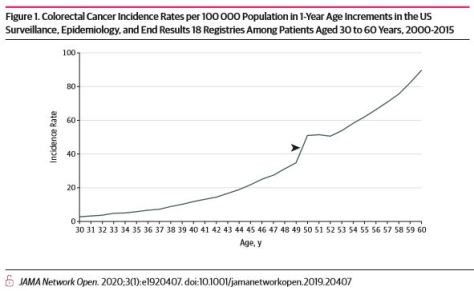
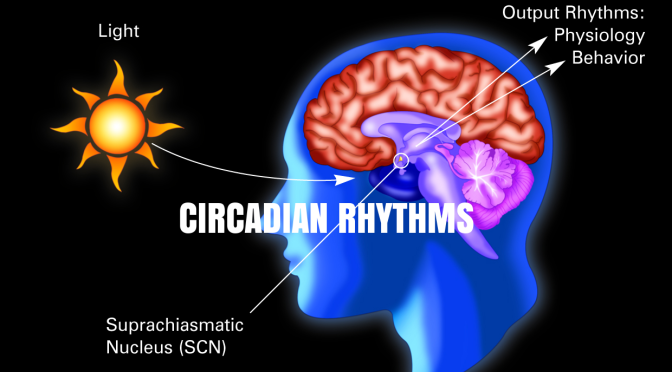
 By comparing the pancreatic cells of type 2 diabetic human donors with those of healthy people, researchers at the University of Geneva (UNIGE) and at the University Hospitals of Geneva (HUG), Switzerland, were able to demonstrate, for the first time, that the pancreatic islet cells derived from the Type 2 Diabetic human donors bear compromised circadian oscillators.
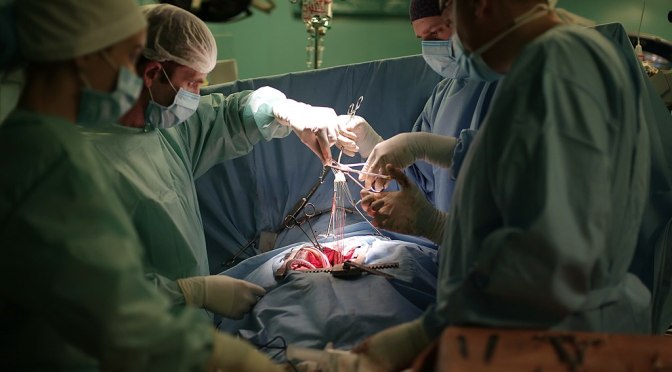
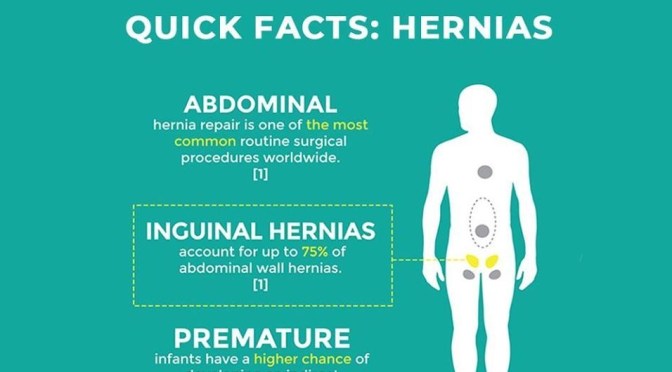
 “Patients can go home after a shorter length of stay in the hospital without increased risk of complications and rehospitalizations,” said Dr. Malaisrie. “Because we found no detrimental effect of accelerated discharge, both patients and physicians should not be averse to discharging patients when medically ready.”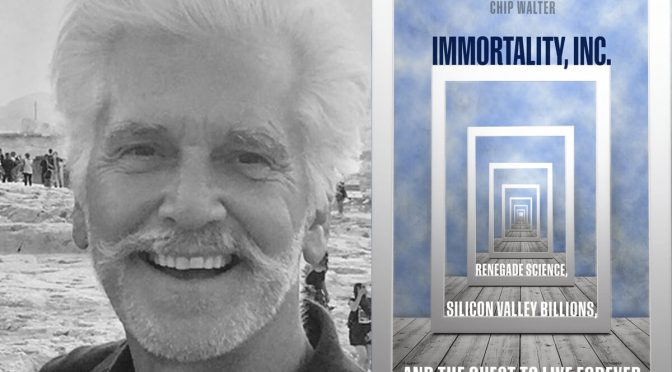


 This week on Prognosis, we look at one startup that’s trying to redesign care for some of the most vulnerable patients, taking into account the complex realities of their lives. The company is trying to improve care for people and communities the medical system often fails – and it believes that fixing those failures will not only make people healthier, it will also save money.

 Boomers Daily