
Most of us received routine vaccinations when we were young. But how exactly do vaccines work? In this video, I explain the fascinating science behind how vaccines prevent millions of deaths each year.

Most of us received routine vaccinations when we were young. But how exactly do vaccines work? In this video, I explain the fascinating science behind how vaccines prevent millions of deaths each year.
On the Mayo Clinic Radio program, Dr. Donald Hensrud, director of the Mayo Clinic Healthy Living Program, discusses the obesity epidemic and talks about popular diet trends, including intermittent fasting.
This interview originally aired Feb. 8, 2020.
Learn more about intermittent fasting: https://www.mayoclinic.org/healthy-li…
Learn what CRISPR is, how it works, and how Penn Medicine is working to harness its power to help patients.
 Intermittent fasting has salutary effects. Listen how Dr. Mark P. Mattson, co-author of a recent NEJM review on the topic, assesses the practice — and how he’s managed to skip breakfast for the past 30 years or so.
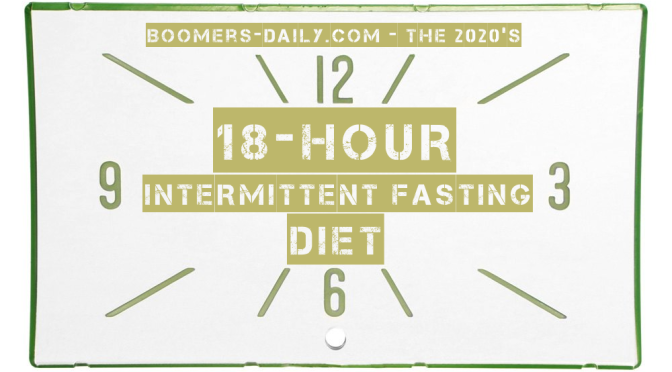
Evidence is accumulating that eating in a 6-hour period and fasting for 18 hours can trigger a metabolic switch from glucose-based to ketone-based energy, with increased stress resistance, increased longevity, and a decreased incidence of diseases, including cancer and obesity.
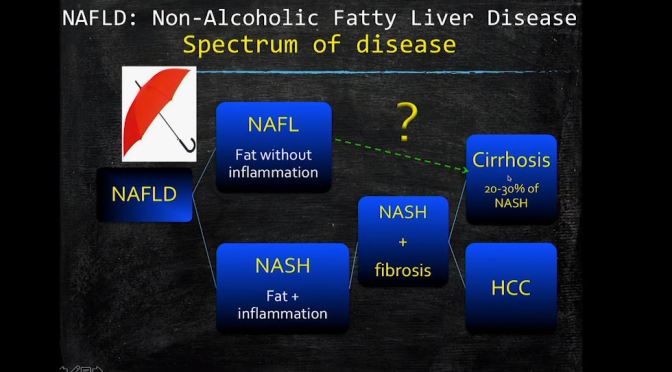
Nonalcoholic fatty liver disease (NAFLD) occurs when fat is deposited in the liver, without other causes of fatty liver identified. Dr. Danielle Brandman explores who is at risk, diagnosis, staging, complications and management.
More from: Organ Failure and Replacement: Why Organs Fail and What Therapies are Available for Organ Replacement (https://www.uctv.tv/organ-failure-rep…)
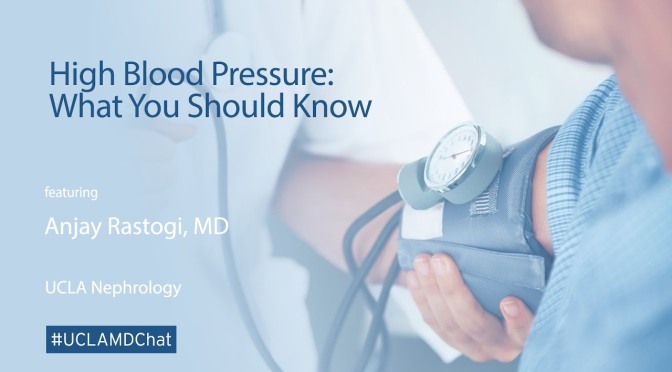
Join UCLA nephrologist Anjay Rastogi, MD, for an overview of high blood pressure and ways to manage the condition. We will discuss relevant treatment modalities including medications and lifestyle changes.
From a JAMA Network online article (February 4, 2020):
 High medical prices and billing practices may reduce public trust in the medical profession and can result in the avoidance of care. In a survey of 1000 patients, 64% reported that they delayed or neglected seeking medical care in the past year because of concern about high medical bills. The field of quality science in health care has developed measures of medical complications; however, there are no standardized metrics of billing quality.
 A recent study found that only 53 of 101 hospitals were able to provide a price for standard coronary artery bypass graft surgery. Notably, among the hospitals that provided a price, the price ranged from approximately $44 000 and $448 000 and was not associated with quality of care as measured by risk-adjusted outcomes and the Society of Thoracic Surgeons composite quality score.

In the same way that there is wide variation in pricing, aggressive collection tactics also can be highly variable by institution. In a recent analysis, 36% (48/135) of hospitals in Virginia garnished wages of patients with unpaid medical bills, and 5 hospitals accounted for 4690 garnishment cases in 2017, representing 51% of all cases.7 In total, 20 054 lawsuits were filed in Virginia against patients for unpaid debt. For many hospitals that sue patients, legal action follows multiple attempts to contact patients through letters and calls, and some hospitals may offer to set up payment plans or even negotiate charges.
We’ve come a long way since the first heartbeat was heard. This American Heart Month, we take a look at the history of cardiac care — and celebrate the leading-edge innovations that make a better future possible.
From a Sleep Medicine online release (January 2020):
 Our findings suggest that LAN (low-level light at night) exposure increases the incidence of diabetes in a general elderly population. Further research involving a large cohort with new-onset diabetes is warranted to elucidate these findings.
The circadian timing system, located within the suprachiasmatic nucleus of the hypothalamus, controls fundamental energy homeostasis. Clock gene mutations induce obesity in mice, and the disruption of internal circadian rhythms decreases daily energy expenditures and leptin levels in humans. Light information received by the brain influences human circadian timing and metabolism; low-level light at night (LAN) significantly increased body mass and led to prediabetes in mice. In humans, bedroom LAN affected obesity parameters; however, the association between LAN and the incidence of diabetes in humans has not been studied.




 Boomers Daily