

From a Genetic Engineering & Biotechnology News online article:
 “We were able to show that if you can stop the plasmid from replicating, then most of the bacteria lose the plasmid as the bacteria grow and divide. This means that infections that might otherwise be hard to control, even with the most powerful antibiotics available, are more likely to be treatable with standard antibiotics.”
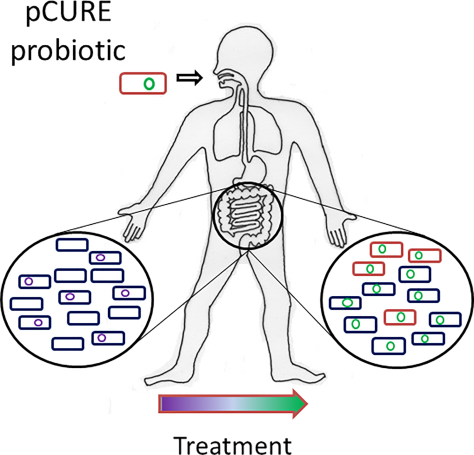
Researchers headed by a team at the University of Birmingham in the U.K. have developed a probiotic drink containing genetic elements that are designed to thwart antimicrobial resistance (AMR) in gut bacteria at the genetic level. The drink targets small DNA elements called plasmids that carry antibiotic resistance genes, and which are able to replicate independently and spread between bacteria. By preventing these plasmids from replicating, the antibiotic resistance genes are displaced, effectively resensitizing the bacteria to antibiotics.
 “Amyloid is important in initiating disease, but the actual damage in the brain is probably due to the accumulation of tau,” Holtzman told MedPage Today. “Normally, tau protein is inside cells, but there is more and more evidence suggesting that its spread to different parts of the brain is responsible for the progression of Alzheimer’s disease.”
 “Our data showed that rates of accelerating blood pressure elevation were significantly higher in women than men, starting earlier in life,” said Cheng, the Erika J. Glazer Chair in Women’s Cardiovascular Health, who also serves as director of Cardiovascular Population Sciences at the Barbra Streisand Women’s Heart Center. “This means that if we define the hypertension threshold the exact same way, a 30-year old woman with high blood pressure is probably at higher risk for cardiovascular disease than a man with high blood pressure at the same age.”
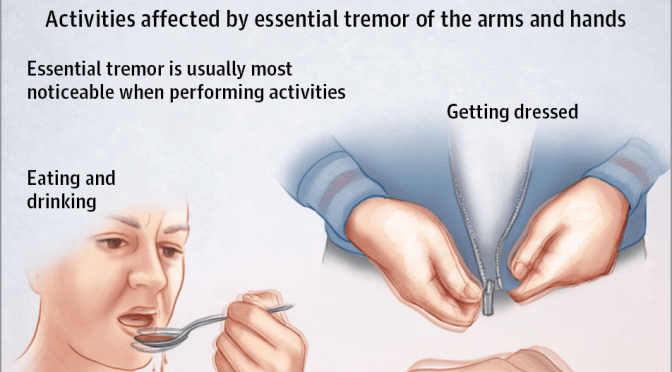
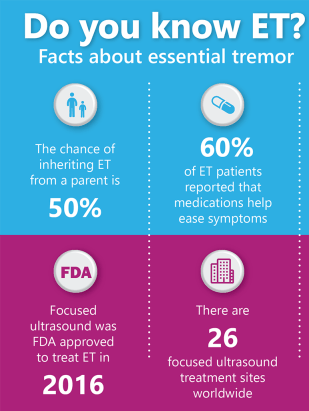 Essential tremor is a common movement disorder
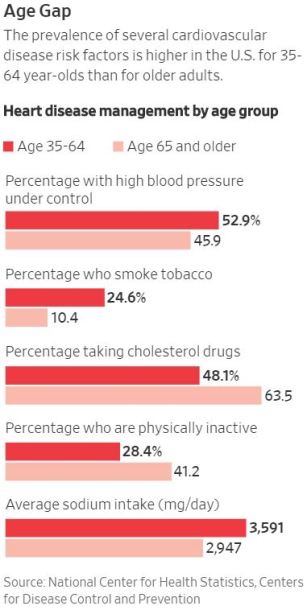 Death rates from cardiovascular disease among people between the ages of 45 and 64 are rising in cities all across the country, including in some of the most unlikely places.






 In 2016, Samantha Harvey began to lose sleep. She tried everything to appease her wakefulness: from medication to therapy, changes in her diet to changes in her living arrangements. Nothing seemed to help.
 Boomers Daily